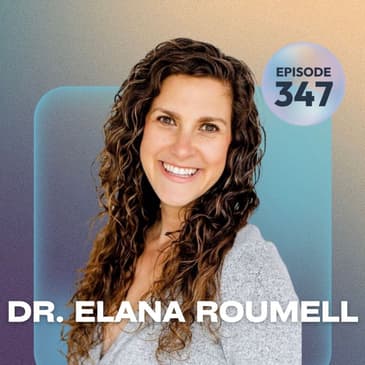
Struggling to navigate your kid's fever, eczema, or poop concerns? “If you’re putting that steroid cream on, that is just a bandaid.” We have Dr Elana Roumell, a doctor and naturopath specializing in paediatric, to address when to conventional and herbal medicine for fevers, specifically Tyenol and Ibuprofen, and her top herbal medicine recommendations. Then, she dives into the world of excema, discussing nutrition considerations and how to care for the manifestations of excema. Finally, Dr. Elana dives into how to read your kid's poop! Let's dive in!
VivoBarefoot Discount:
Save your kids feet! Your feet have the components they need to support themselves! That's why we love VivoBarefoot because the shoes themselves help us gain mobility and strength in our feet. Live that barefoot life in style, choose VivoBarefoot and use code TOB at checkout to get 15% off! Your foot and body will thank you (affiliate link)!
**Vivo offers a 100-day trial period. If you are not completely satisfied, you can send the shoes back and get a refund.
What You Will Learn in This Interview with Dr. Elana Roumell:
4:21 - Why naturopathic Paediatrics.
9:44 - How to tell how bad your fever is & when to turn to herbal medicine?
23:44 - What does it mean if there are rapid changes in internal body temperature?
26:30 - When or when not to use Tylenol and Ibuprofen.
30:20 - Nutrition for Excema.
35:35 - When to use a steroid creams for Exzema.
37:37 - Natural type creams for baby Exzema.
41:43 - Speaking about poop…
46:50 - Learn more with Dr. Elana.
To learn more about this episode and view full show notes, please visit the full website here: https://jen.health/podcast/347
Thank you so much for checking out this episode of The Optimal Body Podcast. If you haven’t done so already, please take a minute to subscribe and leave a quick rating and review of the show!
Hosted by Simplecast, an AdsWizz company. See pcm.adswizz.com for information about our collection and use of personal data for advertising.
[00:00:00] Welcome to the Optimal Body Podcast. I'm Dr. Jen. And I'm Dr. Dom and we are doctors of
[00:00:10] physical therapy bringing you the body tips and physical therapy pearls of wisdom to
[00:00:14] help you begin to understand your body, relieve your pains and restrictions, and answer
[00:00:18] your questions. Along with expert guests, our goal of the Optimal Body Podcast is really
[00:00:23] to help you discover what optimal means within your own body. Let's dive in!
[00:00:29] As we're going to talk into children's health, I think one thing that is often neglected
[00:00:33] is talking about the health of the feet. Now we think that we're maybe giving a lot
[00:00:38] of help and support as a child ages by giving looking for good, large support and having
[00:00:45] the proper support of the feet but truly helping the feet is giving them the environment
[00:00:52] to do the work themselves from the earliest age to into adulthood. So this is why I love
[00:01:00] vivo barefoot shoes and we talk about it all the time because now they are supporting
[00:01:04] anywhere from one year old to until you pass. Everyone can benefit from vivo barefoot
[00:01:11] shoes because it's going to set the environment for your foot to be able to display and rest
[00:01:17] the way that it naturally should without squishing in the toes and allow the arch to be supported
[00:01:22] on its own by doing the work of the foot not having external support to press into. And I know
[00:01:29] this can seem very foreign if you've been told you need support. I grew up knowing that if I'm
[00:01:36] looking for a shoe, I'm feeling the inside and I'm seeing if it has a good arch support like this
[00:01:40] was what was drilled into me. But now I understand the value of having the foot find pronation and
[00:01:47] supination on its own so that the arch can build the proper strength that it needs without
[00:01:54] relying on something else. And that's how we make the foot stronger and there was actually a study I
[00:02:00] recently did a post on this just seeing that the transverse metatarsal arch this is what crosses
[00:02:06] right before the toes. This arch support makes up 40% of the stability needed longitudinally meaning
[00:02:14] the arch that we typically think about the regular arch along the foot that support really comes
[00:02:20] from the spread of the toes and the ability and control and strength to be able to spread the
[00:02:28] toes. So if we're having that control and strength but then stuffing it into shoes that aren't
[00:02:33] providing that support, it just doesn't make sense. We're not actually supporting the foot that
[00:02:39] so if you have not yet I just recommend going and getting some vivo barefoot shoes. Use code TOB
[00:02:45] at checkout, you get 15% off make sure they're not already shoes that are previously discounted
[00:02:50] but use code TOB at checkout and you're gonna get 15% off of your vivo barefoot shoes
[00:02:56] something we highly recommend and we love having Dante in them as well.
[00:03:01] Well Dr. Alana we're just so grateful to have you and have you take time to talk with us there
[00:03:07] I have definitely gleamed a lot of information from your page on Instagram alone and your free
[00:03:13] guides. I've definitely used them for my little guy so I just really appreciate the information,
[00:03:20] the education and I know you have an incredible community where you're continuing to educate
[00:03:25] mom so thank you for all you're doing. Oh thank you for having me. I absolutely love hearing that
[00:03:31] feedback. If I can just continue to educate for free all day long I would probably still
[00:03:37] be happy. You know this is my mission and my goal so thank you. I love it and it really comes
[00:03:42] through in the content that you put out and I mean as Jen and I are on the doorstep of having our
[00:03:47] little guy make it to 13 months I mean you just really don't understand what this world of
[00:03:54] parenthood is like until you're in it until you're in the thick of it until you have your kid
[00:03:59] and start being told all of these things that you need to do to them medically or you need to
[00:04:05] have done with them and it can just really be overwhelming so I think that having somebody
[00:04:10] like you a trusted source that you can follow to help dice through this a little bit is so valuable
[00:04:17] and I just want to start really by asking what made you so passionate about this area
[00:04:23] and made you decide to go into naturopathic pediatric medicine. So I always love to be a guest on
[00:04:29] others podcasts because I get to revisit my why. I love this question. I ask all of my guests on
[00:04:36] my podcast as well and I think it's such an important question for the work that we do and just
[00:04:40] for obviously your listeners to get to know me so I'm happy to share. I'll try to keep it short
[00:04:44] because it's a good good answer. So I'm a naturopathic doctor and I and I very mindfully chose this path
[00:04:52] and what a naturopathic doctor is is someone who can integrate both conventional medicine with
[00:04:57] natural therapies. I wanted to know all of the different options and this all started spurring my
[00:05:04] interest when I was a very young child. I had a brother who suddenly died of asthma. This is not
[00:05:11] a common occurrence. It's rare so if a listener is listening with the child with asthma,
[00:05:15] please do not be all that concern. My brother had head to toe eczema starting at six weeks. He
[00:05:22] had multiple food, anaphylactic shock reactions. He had multiple ear infections. He was a very sick
[00:05:29] child and he was on all of the conventional medicines. I just thought as a child, gosh,
[00:05:35] why aren't these medicines helping my brother? Why isn't he getting better? What's happening here?
[00:05:40] And when he did pass away at the age of seven, I was only nine years old. It obviously rocked
[00:05:45] all of our worlds. It wasn't just me being a sibling seeing my brother pass away but it was also
[00:05:50] me witnessing my parents just completely fall apart. Now as parents, yourself, you can really understand
[00:05:55] and imagine how hard and how it's just a lifetime of grieving. How it occurred to me was two
[00:06:03] folds. One was I felt like there had to be other options. How could conventional medicine just
[00:06:08] fail my brother? But the more actually striking thing that happened to me was I witnessed my parents go
[00:06:14] from very calm and collected individuals to very anxious and overly protective of us existing
[00:06:23] children. We left with three other girls. So there was four of us in my family, three girls
[00:06:28] and the one boy who passed. So there was a big impact on me seeing my parents very anxious
[00:06:36] and very anxious from the littlest bit of a fever or a cough or a common cold that one of us
[00:06:41] girls would have gotten kind of feeling like there was so much unnecessary worry going on with
[00:06:47] them. But understandably so because this is how they were just trying to grieve and adapt to the
[00:06:51] loss of their child. So then as I grew up and as I decided to go into whatever career I wanted to
[00:06:58] choose, I knew that I wanted to help kids because I had such a soft space in my heart for kids
[00:07:04] in medicine. I wanted to offer multiple options so that parents felt like they had full informed
[00:07:10] in consent and that they knew what they could do for their little ones. But most importantly,
[00:07:15] what I realized as I started practicing medicine is I gravitated towards the most anxious parents
[00:07:21] towards the parents who just would worry unnecessarily. They would come into my office with maybe a child
[00:07:27] with a common cold but they were panicking and they were overwhelmed with what was going on and
[00:07:33] I just had such a special place in my heart for these parents. And so years of practicing,
[00:07:38] I was practicing for 10 years at that point. I just saw so many parents feeling overwhelmed and
[00:07:43] confused that I realized I needed to share my knowledge with them, what I learned in medical school,
[00:07:49] how I would go about even now having my own children, feeling calm and collected and confident
[00:07:55] about how to go about helping their kids from home. And it just, it just short, you know, I saw
[00:08:01] moms just and dads. And so I shouldn't just exclude dads. I apologize for them. So used to
[00:08:07] so many moms coming to me and asking for help but moms and dads wanting to put on their doctor mom
[00:08:12] or doctor hat on and really helped their kids from home using natural medicine, but also appreciating
[00:08:18] when conventional medicine is warranted and just integrating the two. And so that's where I just
[00:08:24] decided to go online and just share all my protocols and all my wisdom and all the years of training
[00:08:28] that I have. And I'm so happy to be able to do it because whether I'm saving a child's life or
[00:08:34] I'm just helping parents feel less anxious about their child being sick to me that is such a win
[00:08:40] and we're moving in the right direction of helping parents feel more empowered and feel like they
[00:08:44] can really help their child with their own tools at home. Wow, it's such a powerful story and give
[00:08:50] me so many chills as you are going through because definitely being a parent myself relating to
[00:08:56] what your parents had to go through and what you have seen growing up, it's it's unbelievable. So
[00:09:03] I just greatly appreciate you know taking that story, taking that journey and turning it into what
[00:09:10] you have. And definitely there could be a lot of anxiety even you know without losing a child and
[00:09:17] just the overwhelm of information that you get to even from your pediatrician. Sometimes there's
[00:09:23] you know information we get and we question well you know is can I do a little bit more research
[00:09:28] into this and what do I think what is best and it's it could be really difficult and overwhelming.
[00:09:34] So I just want to talk about a couple of those points and at least touch on a few things that
[00:09:39] might help mitigate some of those stressors. And one of the top ones being you know fevers and when
[00:09:45] is that really a concern and when is it something that the body is just naturally kind of working through
[00:09:51] when we should let it do its thing? When do we intervene? When do we give Tylenol like what are some
[00:09:56] of like the highlights of fevers? Great I love this question because again it's such an anxiety
[00:10:02] provoking topic. So there is something called fever phobia. This is a actual a term that has been
[00:10:09] designated to illustrate the amount of fear and phobia associated with fever so this is a very
[00:10:16] very common concern which is why I have a free fever protocol guide I decided just to give the
[00:10:20] entire protocol away because I want to get I want to parents not feel so anxious. So let's just
[00:10:25] go back to the basics. Why does what do fevers happen in the first place? So the fever happens when
[00:10:31] the body is exposed to whether it's a virus, a bacteria something that the body looks as s-4 and
[00:10:38] okay and it doesn't like. The beautiful thing about the body is that it raises its internal temperature
[00:10:45] because these kind of bugs don't like to live in this type of environment. It doesn't survive in hot
[00:10:50] temperatures. What a beautiful thing that the body does in order to help eradicate something that the
[00:10:55] body doesn't want. Now as the temperature rises there's different inflammatory molecules that come
[00:11:01] out cytokines, TNF have all this great stuff that the body is just like giving an alarm saying okay
[00:11:08] we've got to now grab our immune systems, all those soldiers, all those great things to just try
[00:11:12] to help eradicate that bug or that virus. So that's a great thing and we want to harness the body's
[00:11:19] natural ability to help fight infection. Now the issue is that some kiddos don't like to feel overheated
[00:11:25] right? They feel uncomfortable, they feel lethargic. They you know they don't like being too hot
[00:11:30] and so this is whereas us as parents we just kind of need to observe our children. Is the fever alone
[00:11:37] the thing that's scaring us or is it the discomfort of the child that's scaring us? And this is where
[00:11:41] we just get to navigate and start picking this apart. And so I'm going to help you do that right now
[00:11:45] but before we go into that what I do want to just mention and I want to be very clear is that
[00:11:51] the number of the temperature, the degrees or the Celsius, the Fahrenheit of the Celsius,
[00:11:57] whatever the degrees is that's not what should be the most alarming to parents and that's a very
[00:12:04] big confusion because I oftentimes hear from parents but it's 102 it's 103 I'm so worried.
[00:12:10] That number alone doesn't make me concerned. What I'm more concerned about and what I teach my
[00:12:16] parents to be concerned about is what I call the accompanying symptoms. Is there a fever with
[00:12:21] ear pain? Is it a fever with stomach pain? Is it the fever with the sore throat? What is it
[00:12:27] accompanying the fever that I'm actually more concerned with and that's what I kind of go down
[00:12:32] the avenue with okay how how alarm should I be with this? So if it's just a fever alone with no
[00:12:39] other symptoms and the child is doing okay, there is no reason to be concerned. There's an article
[00:12:46] by the Seattle Children's Hospital. I love it's like myths versus facts with fever and one of the
[00:12:52] statements that they have here is that brain damage can only happen over 108 degrees Fahrenheit,
[00:12:59] 108.0 now 100.8 but 108.0 is the first signs that even any brain damage can happen in my
[00:13:08] clinical experience I've never even had a kid even close to that. I think the highest was 106
[00:13:13] that I've seen so I just want to give that as like maybe like a big just deeper out of fresh air
[00:13:18] and just to know that the temperature alone is not what we worry about it's really the accompanying
[00:13:26] symptoms now with that said the one time that I will say that I care about any type of temperature
[00:13:33] and a fever in a child less than two months if you have a newborn in it's a child less than two
[00:13:38] months and there's a fever which is considered 100.4 degrees Fahrenheit or above so 100.4 and above
[00:13:46] that's when it warrants a visit to a doctor or a call to the doctor or to urgent care in an infant
[00:13:52] that age we do not want to see any type of fever but if your child's above the age of two months
[00:13:57] with a fever that doesn't warrant any visit unless that there's accompanying symptoms that may warrant
[00:14:02] it is that clear I just want to make sure that I was very specific about that yeah that makes sense
[00:14:07] definitely okay great so when it comes to accompanying symptoms depending on the severity that
[00:14:13] would then warrant a visit so if it's severe ear pain that just won't go away you may want to get
[00:14:18] that ear looked at severe throat pain you may want to get a streptest right through a throat culture
[00:14:23] if it's stiff neck accompanying with the fever then yes you would want to go and rule out something
[00:14:29] like meningitis but these are not common symptoms you know it's mostly the discomfort from
[00:14:35] the fever that gives parents a little bit more of a paranoia or a worry and if it's a discomfort
[00:14:42] that's when I say you guys go to all the natural medicines go to the tools go to either homeopathy
[00:14:47] there's cold wet socks there's herbal medicine there's nutrient therapy there's so many different
[00:14:52] things that we can do to help just provide some comfort to our child and if that doesn't provide
[00:14:59] the comfort it's never a harm to just give Tylenol here and there or ibuprofen here and there but
[00:15:05] it's not something that I would like to see ongoing because there could be some side effects to that
[00:15:10] and so I just like to always always give options to parents to know that there's natural medicines
[00:15:15] that can come first. I think that's a fantastic answer and one of my favorite parts about it it kind
[00:15:20] of reminded me of how you started kind of reminded me of how Jen and I will educate people
[00:15:26] about pain sometimes you talk about the fever that the body creates is such a beautiful and magnificent
[00:15:33] process when it comes down to the physiology of it it's this protective mechanism that is
[00:15:37] actually helping us protect the body from these foreign invaders whether they're viruses and
[00:15:45] similarly we talk about pain that way as this messaging system that's telling us that
[00:15:49] we should do something different or telling us that we need to change something we need to avoid
[00:15:55] and so at the end there you mentioned different homeopathic methods versus ibuprofen Tylenol
[00:16:05] and when those may be appropriate can you I know you have a full guide and hopefully we can maybe
[00:16:09] get a link to that to put it down in the show notes of the episode if people are interested as they
[00:16:13] listen but can you give us some of just the initial go-to's if we're not noticing a lot of those
[00:16:19] accompanying symptoms that you mentioned and just want to address bringing that fever down or
[00:16:25] getting it back to normal what would be some of the initial go-to's that you would recommend
[00:16:31] to parents and when may ibuprofen or Tylenol be something that you would say okay now seems
[00:16:38] like an appropriate time to use this great and I do I love how you guys teach about pain being a
[00:16:43] signal to the body that's something underlying is an issue and if we just need to correct it that
[00:16:49] when the pain goes away I fully believe that our bodies give us so much information and that
[00:16:54] symptoms are just guides to help us uncover what are some of the root causes of some ailments
[00:17:01] a fever is just the body saying hey guess what there's a foreign invader something's going on
[00:17:07] so what can I do to help fight this I love really tuning into the wisdom of the body and not
[00:17:13] suppressing it and this is where even some natural medicines the goal is not to suppress the fever
[00:17:19] so much where then the body can't actually help find that homeostasis that balance right so
[00:17:25] we want to lower the temperature enough to find to provide comfort for the child but we don't
[00:17:31] want to lower it so much that there's no more fever because then the body doesn't have those
[00:17:37] symptoms to help heal the body okay so when we talk about natural medicines the goal of that is
[00:17:44] solely providing comfort boosting immune production right so we can help speed the healing
[00:17:50] with the goal of just shortening the duration of the illness and decreasing the intensity of the
[00:17:56] symptoms I don't want it to be the measure of getting rid of the fever completely that would not
[00:18:01] actually be the goal although Tylenol and ibuprofen would do a very quick job at that my concern is
[00:18:08] that then it doesn't actually really help harness the body in what the body really does which in
[00:18:13] my mind is a beautiful way of speeding healing so the natural medicines that I absolutely love
[00:18:18] especially for kids under six months is homeopathy homeopathy are these tiny little vials you can
[00:18:25] find in health food stores they're little pellets that you could put directly inside the child's mouth
[00:18:30] and the reason why these are so safe for children under six months is because they have very
[00:18:36] very low amounts of the actual remedy it's usually a plant or type of mineral or whatnot
[00:18:42] it's I put it in the category more of like an energetic medicine just like I do acupuncture
[00:18:48] acupuncture is just little needles in the body that are kind of stimulating the body to heal
[00:18:53] lots of great evidence lots of great studies to show its effectiveness so is homeopathy instead
[00:18:59] of putting needles in the body you just choose the homeopathic remedy that helps to stimulate the
[00:19:03] body to heal you give that remedy children are incredibly resilient to these and it helps on an
[00:19:09] energetic level and not all herbal medicines or health food supplements are safe for kiddos less
[00:19:17] than six months which is why I love having this tool of homeopathy two of my favorite homeopathic
[00:19:23] remedies for fivers are called belladonna and acanitam and these are indicated for sudden fivers
[00:19:31] that come on could be in the middle of the night high fivers the child is just so distraught they're very
[00:19:38] you know they're crying they're red in the face they're just very inconsolable uncomfortable
[00:19:43] and it's something so simple to just be able to put these little pellets inside the child's mouth
[00:19:48] and just observe and wait and see if the body can heal and just help bring comfort to the body
[00:19:55] so those are my two favorites when it comes to infants under six months
[00:19:59] when the infant gets a little bit older so six months and above we can start implementing
[00:20:04] something called herbal medicine these are just plant medicines one of my favorites for
[00:20:09] fivers in particular is a plant called lemon balm and lemon balm is so calming to the nervous
[00:20:15] system it helps to support the nervous system during this heightened time okay and it also helps
[00:20:21] as an antiviral so more times than not it's a virus that's stimulating a fever eight out of ten
[00:20:28] chilled common pediatric concerns are viral related not bacteria although there are some bacteria
[00:20:34] related illnesses of course but as an antiviral it's so nice because it helps to stimulate the
[00:20:39] immune system it helps to bring like support the nervous system and then that can help cool and
[00:20:44] calm the body so that's a beautiful herb that we use for fever and then there's home remedies
[00:20:51] that really any age can use but one thing that I feel like has gone a lot of traction on social
[00:20:56] media and I'm so happy it has because it's such a great therapy are what we call cold wet socks
[00:21:01] and this is where you could just take a pair of wool socks and a pair of cotton socks and what we do
[00:21:06] is we actually really truly provide the body with an ability to help heal from the inside by moving
[00:21:14] the blood and moving the lymph and so the way that we go about this is we would take cotton socks
[00:21:20] you submerge them in either ice cold water or for very young infants I just do cold water
[00:21:25] just from the faucet I ring them out I put them on warm feet so you don't want the feet to be too cold
[00:21:32] you could put the feet if they're cold in like a nice little warm bath or if the feet are warm
[00:21:36] already you don't need to do anything with them but you take these cold wet socks you put them
[00:21:41] on the warm feet you then take wool socks and you put those over the cold wet socks those cotton
[00:21:49] wet socks and you put the kit to sleep and what that's doing is during sleep is that it's moving
[00:21:55] lymph and blood flow from the feet and it's pushing it up and then it's going from the
[00:22:02] legs to the head and then the head down back to the legs it's increasing those immune cells in the
[00:22:07] body because our bodies don't want to stay cold very long so our bodies are gonna push blood
[00:22:13] push lymph to try to warm up those cold socks and it's this beautiful movement a blood and lift
[00:22:19] throughout the body all night long and that's what's gonna help decrease the fever because we're
[00:22:24] bringing out all these immune cells and building lymph and blood and it's this like really old time
[00:22:29] old school therapy that is just incredible for fevers but not only fevers it can help with coughs
[00:22:35] respiratory disorders or congestion headaches it's a really great therapy that I feel like is
[00:22:41] kind of getting back to popularity and I love teaching about that and I would say this is probably
[00:22:45] safe for kiddos maybe over three months or four months of age and then as they get older absolutely
[00:22:51] go ahead and you could start this even for us adults it's a great therapy. You guys probably
[00:22:55] would geek out on it because you guys are such movement people but can imagine being able to lie
[00:23:00] there and have your body work for you yeah it's funny I actually had been told to do this like a few
[00:23:06] years ago from one of our friends who was an anthropathic doctor and when I heard you talking about it
[00:23:12] I was like oh yeah let's do this for Dante. I've done it for myself. I've done it for myself. I
[00:23:17] exposed the physiology works the same and I it's funny coming into this interview I was totally
[00:23:22] gonna ask about that because I figured my mind had kind of put together it had something to do with
[00:23:26] circulation and but that that totally makes sense it seems similar to the pneumatic type boots
[00:23:33] where the purpose is just get the circulation moving and that allows the body to do its magic.
[00:23:40] And I did want to ask just real quick too like is there any concern when a fever starts to go
[00:23:45] high quick you know I've heard especially after some common vaccines you know there's a fear of
[00:23:52] febrile seizures and and is there any fear with like I guess the anxiety of like seeing the
[00:23:58] number start to rise could that be a concern that we're looking at or not usually great so I'm
[00:24:07] so happy you asked about this febrile seizures definitely happened they're very scary they're very
[00:24:12] worrisome so I really understand and if a parent is listening who has had one or observed one in
[00:24:18] the past I understand then the than that's where the fear really comes into place. So a few things
[00:24:24] about that febrile seizures occur when there's a rapid change of temperature so it's not about
[00:24:31] the degree or how high the temperature is it's how fast it goes from let's say zero to 100 okay
[00:24:38] now unfortunately it's very hard to catch that because for one child going from 100.4 to 101
[00:24:48] rapidly could trigger that febrile seizure for another child it could be going from 102 to 103
[00:24:55] so it doesn't actually matter again the degree it depends on again that child susceptibility to
[00:25:03] how they react to this the quick change and unfortunately we can't always catch that so soon right
[00:25:09] or in that moment what I do tell my parents who have that history of febrile seizures is there's
[00:25:15] this is the perfect time to really try to hone in on a particular homeopathic remedy that the
[00:25:21] earliest signs of any type of illness that may come on that you go ahead and support your child
[00:25:27] with that homeopathic and it will take some time and some experimentation to find that one
[00:25:33] that oftentimes that child will react to I brought up the homeopathic beladon or acanitam these
[00:25:38] are just two of many fever remedies that could be indicated for your child and what I love about
[00:25:44] homeopathy specifically is that you really have to be very specific to the individual symptoms so how
[00:25:50] one child presents with a fever could look very different to the other child for example you may
[00:25:55] have a child that their fever comes on suddenly it goes very high fast and it always comes in the middle
[00:26:01] of the night where you may have another child whose fever is usually low grade it actually happens
[00:26:07] just right before bed and it doesn't really cause that much concern those are two different
[00:26:11] presentations and those would want two different types of homeopathic remedies now that's a little
[00:26:17] bit more work for a parent to have to then navigate but once you start observing your child
[00:26:22] and understanding how they uniquely present you usually can find that homeopathic remedy that will
[00:26:28] then just do wonders and what I love about homeopathy is not only safe but it works really quickly so
[00:26:33] you will know within minutes if that child is going to react to that remedy with that said if
[00:26:38] your child susceptible for febrile seizures you will then have that remedy knowingly on hand and
[00:26:44] the earliest signs of symptoms you want to go ahead and give it to them so you can kind of catch
[00:26:49] it before that change in degrees the change of the escalating temperature changes you can catch it
[00:26:56] then now with that said if that gives you peace of mind to give Tylenol preemptively that is going
[00:27:03] to be something that you have to tune in really to know if that's going to help you the literature
[00:27:08] states that there's actually no change or prevention in febrile seizures just to jump to Tylenol
[00:27:13] or ibiprofen but if again that gives you peace of mind that's going to be something that I think
[00:27:18] is very important you ask when Tylenol ibiprofen would be indicated the only time I would say it
[00:27:25] would be indicated for fever specifically is in the middle of night if you're trying all your
[00:27:30] home remedies nothing is working your child so uncomfortable no one is sleeping in the house
[00:27:36] to me that would be a great time where you would then pull out the ibiprofen or the Tylenol and
[00:27:41] we need to all get some rest we need to have something to reliably know that this child is just
[00:27:46] going to have some comfort because we know that it does work and there's the beauty you know there's
[00:27:50] a beauty of having those options and again doing it once in a balloon is not going to pose a lot of
[00:27:55] harm if I may just insert a little bit about Tylenol when I do feel it's appropriate to say please
[00:28:02] try to withdraw or abstain from using it would be before or after giving a vaccine and the reason
[00:28:09] there is that one of the things that Tylenol does is that it depletes our storage of what we call
[00:28:15] glutathione and glutathione is a natural antioxidant that is made in the liver to help detoxify chemicals
[00:28:23] you know waste products all of these things and so because we know that that's what happens it's just
[00:28:28] one of the side effects of Tylenol when we're giving something like a vaccine that we know has
[00:28:34] some ingredients in it that is could be harmful to the body we want to help the detox capacity we
[00:28:40] want to help our kids be able to clear any of those chemicals that we don't want to stay in the body
[00:28:46] we want our glutathione levels to be a peak amount we want to make sure that our children can detox
[00:28:52] and we can also take that immune insult from the vaccine in an intelligible way in a way that the
[00:28:58] body really has everything in its favor so that the vaccine does what it does and the body can
[00:29:04] help eliminate what it doesn't need and by giving Tylenol before a vaccine or even shortly after a
[00:29:11] vaccine it will increase the potential of an adverse reaction because the body's glutathione levels
[00:29:17] are not at its peak so if we can just try to avoid Tylenol during those times if you absolutely need it
[00:29:24] I would then choose ibuprofen because we don't see the same glutathione levels being
[00:29:28] affected with ibuprofen that would be my strong consideration in that situation
[00:29:34] I think those last two are such great takeaways things that people are told a lot
[00:29:39] I love the point where you gave on if it's needed to get sleep especially for the kid to get
[00:29:44] sleep and I think that as you know it's talked talked about often sleep can be one of the greatest
[00:29:50] healers so if you're if your little one has a fever and is not getting sleep that can only compound
[00:29:57] things because the body is just not going to be operating as normal or as it best could we've
[00:30:03] covered fever a ton and I know that you could probably fill hours more of lecture on discussion
[00:30:10] on fever I want to move into something actually that I dealt with a lot when I was a young kid
[00:30:17] you mentioned that your brother was dealing a ton with eczema and I know that many parents
[00:30:22] and many little ones have skin issues eczema you know patches of whatever it is cradle cap or
[00:30:30] different skin issues what you know what are some suggestions for parents who are dealing with
[00:30:40] skin issues not sure what to put on it they're being told to use this cream or that cream or
[00:30:45] cortisol and a banardral cream whatever it is what are some of the things that you recommend for
[00:30:49] people wonderful I love talking about eczema because it kind of goes a little bit of against
[00:30:55] conventional treatments and so I love to give some like a ha moment since I openers to some
[00:31:01] other options so again let's go back to there's a time in a place for a steroid cream and I'm
[00:31:07] going to go into when that may be but the biggest key takeaway I love to share with parents is
[00:31:13] that when you see something occurring on the skin the best thing to do is focus your attention
[00:31:18] on internal healing it's the same thing that we were talking about with pain in your community
[00:31:23] when you talk about pain it's a sign that something is off balance inside when we could correct it
[00:31:28] the pain will go away it's the exact same thing with skin reactions when you start noticing something
[00:31:34] on the skin with your child to me I feel like this is like such a gift it's the body telling us
[00:31:41] that something is off internally and we have to kind of find that balance what's off what's
[00:31:47] what needs a little bit of refinement so that the skin would clear up and now we have answers to this
[00:31:53] so I think these are all great signs and I think that I know can cause a lot of concern and anxiety
[00:31:58] I'm actually currently I'm working through eczema with my baby here she's 18 months as we're
[00:32:04] recording where my other two children had no eczema flares and so again this gives me signs that
[00:32:10] something's going on in her body and I need to now be the investigator so I love talking about
[00:32:15] this because this happens to so many children and there's nothing as a parent that you did wrong
[00:32:21] every child is unique and every child even if they have the same genetic makeup which again
[00:32:26] every child even in your same family will have different genetics makeup slightly but what we're
[00:32:32] doing in our environment that will help one may not help another and that's the beauty of being
[00:32:37] unique so let's first work on some nutritional things that I would love every child who has
[00:32:42] eczema to focus on these kiddos they have a more susceptibility of having low vitamin D levels
[00:32:50] low zinc levels low omega-3 levels and also gut dysbiosis which is what probiotics really help with
[00:33:00] these four remedies are foundational support for any child who may present with eczema and the
[00:33:07] beautiful thing about that is these four nutrients would be a great addition to someone's daily
[00:33:12] essential wellness plan some kids may need this more than others some kids can get away with only
[00:33:18] taking this kind of stuff a couple days a week or maybe once a week why the kids who have eczema
[00:33:23] as parents you just want to be a little bit more on top of these nutrients specifically because we
[00:33:28] know these kids are more prone to some of these deficiency so again vitamin D and I like to pair
[00:33:33] that with vitamin D and K2 they work very well together zinc omega-3s which you can find in fish oils
[00:33:40] and then probiotics and more times than not when a child's taking these nutrients let's say for two
[00:33:46] to three months you're going to see majority of eczema cases clear and if you don't see eczema clear
[00:33:53] during that time that's a sign that we need to dig a little bit deeper and that there could be
[00:33:57] other associated disorders that are going on and the list goes on here it could be leaky guy
[00:34:03] it could be a toxic exposure something like mold toxicity that we need to really look into
[00:34:09] it could be a myriad of things and this is where this is when I would want you to talk to a
[00:34:14] functional medicine doctor a natural pathogen doctor because this is where lap testing can really
[00:34:18] help us understand the root cause but what again I just I'm hoping to give some peace of mind and
[00:34:25] knowing that this is not necessarily a condition that will last a lifetime but it is something that's
[00:34:31] going to give us information about a child's immune system how their immune system is reacting
[00:34:37] to different things and how we can best support them in their young years so as they grow up into
[00:34:43] their adult life we can actually help prevent some chronic diseases so similar to my brother if I
[00:34:48] would have had the tools that I would have known now seeing I mean he had angry really angry eczema
[00:34:53] we could have gone to the root cause of what was going on we probably could have prevented his
[00:34:59] recurrent urinfections his asthma and all this like later stage chronic disease so I actually love
[00:35:05] working with with that and giving this knowledge to parents that do not give up if you're putting
[00:35:10] the steroid cream on that is almost just a bandaid because now we're not able to listen to the body
[00:35:16] to see those symptoms to work on different therapies to see what's working what's not so we can
[00:35:22] really understand and cure it. Cometral medicine wouldn't ever claim that you can cure eczema but I
[00:35:28] would actually say otherwise I do believe you can but you got to go in internal and into the root
[00:35:34] cause the other question you had was when is it appropriate to use steroids and I think that
[00:35:39] steroid creams are appropriate to use when there's so much scratching that wounds are now opening up
[00:35:47] and now we're having susceptibility to infections which then would lead to an antibiotic prescription.
[00:35:53] Now having these little kids now add antibiotics now can then have some disruption in their
[00:35:58] gut and now this can lead to even more issues so this is an absolute time that I would say if you're
[00:36:04] seeing any potential for an infection then that is a great time to use a topical steroid as we
[00:36:11] are then working on the internal gut healing or internal healing that's needed that is so incredibly
[00:36:17] essential. I love that you bring up really getting to the root cause because even what I've seen
[00:36:23] with being married to Dom, depending on what he's eating and how your diet is then...
[00:36:29] I am the poster child for something like this because I had asthma growing up, I had really bad
[00:36:33] skin stuff and my father notably is in he's a traditional MD, he works in family medicine and
[00:36:41] one of our jokes growing up was whatever you have going on, rub try and synolomon it or take
[00:36:48] some ibuprofen because that was the blanket answer. I don't even think you would mind me saying
[00:36:54] that because we always joke with him now about it but when I eat a certain way I have patches of
[00:37:01] eczema or psoriatic type skin patches pop up on my body and I know what all comes from internally
[00:37:07] and from what I eat. Yeah, so it's so it's so interesting and fascinating to see it. I guess it was
[00:37:13] hard and they're changing so much but especially like zero to three months it's like there is so many
[00:37:18] different skin issues that would happen with Dante and seeing different things but it was
[00:37:24] it's interesting to say okay what am I having in my diet and what am I because if he's getting
[00:37:29] breast milk for me then what is it that I'm delivering to him that could be causing different skin
[00:37:35] things? Are there creams in general that you can recommend to just moisturize the body,
[00:37:41] putting kind of like lotion on preventing dryness like are there specific natural type creams
[00:37:48] that you recommend for babies? Yes and I do want to just add if I may. There are a lot of what we
[00:37:53] call post viral rashes that is very common and that's actually not something that I would have any
[00:38:00] alarming feel to this happens when a child is sick maybe a cold a resp a cough and then after
[00:38:06] they're sick, bam a full body wide rash and it goes away in a couple days it doesn't bother them
[00:38:12] it doesn't do that is actually a very normal immune process I wouldn't even put that in the category
[00:38:17] of oh no dig deeper what's the root cause? The root cause is just that they had a viral infection
[00:38:22] and now they have a viral post viral rash so I want to also separate that from the topic of
[00:38:28] eczema because that is very normal and very different and nothing to be concerned about I just
[00:38:32] wanted to put that as a little bit of a side note oh and I should smash it because you said
[00:38:37] Dante zero to three months, even like something like baby acne could be very normal and that will go
[00:38:42] away and there's nothing that is alarming or wrong that's just the mother's hormones pass through
[00:38:49] to child that will all go away on its own it's really these type of rashes that are kind of more stubborn
[00:38:55] where they're not going away right and they're more of these ongoing concerns but for the most
[00:39:01] part if a child has a rash and it goes away in a couple of days that's great just let the body do
[00:39:06] its work but if it's this ongoing persistent complaint that either comes and goes and it just
[00:39:12] continues to record or just never goes away then we want to dig more deep so let me just
[00:39:16] prep us that okay now as far as moisturizers go we are so fortunate I feel like we have so many
[00:39:23] amazing options these days when I first started practicing medicine there were so many few
[00:39:28] organic gluten free options or healthy sunscreens or healthy lotions are you know with with a clean
[00:39:35] label so I just want to mention there are so many different brands I don't want to exclusively say
[00:39:40] one because there are so many but the way that I would like parents to go about it is look on a
[00:39:46] website called skin deep it sponsored by their environmental working group and what I love about
[00:39:51] is that you can input any skincare product be it lotion sunscreen even for us adults make up
[00:39:57] or body wash all of this stuff and they give ratings and the lower the ratings the less toxins
[00:40:03] are involved and toxins can irritate the skin it could be a carcinogenic which means that it has
[00:40:09] some cancer promoting compounds there's so many different things that we want to just try to avoid
[00:40:14] in our environment and so when it comes to ex-maprohn children we want its clean ingredients
[00:40:19] as possible since they really reacted like so many irritants so there are so many different brands
[00:40:26] so many different great moisturizer out there that now has these low toxin profiles so yes
[00:40:32] moisturizing is a very important part of the process not overbeating the child because hot water
[00:40:39] warm water can dry out the skin we see ex-mapflares a lot in winter time when the weather is more dry
[00:40:46] but really what we're trying to do is build from the inside out a healthier skin barrier because
[00:40:53] these kiddos they're barrier in their skin it is very dry and they're not as healthy as what we
[00:41:00] want but again so much of that yes you could put a moisturizer on and those are helpful but so
[00:41:06] much of the work starts from the inside out to get that skin barrier to be healthy to be moisturized
[00:41:12] a lot of that is those omega-3s because those fatty acids are so integral in healthy skin and
[00:41:18] healthy cellular composition so all of that is good but again just go to skin deep look for moisturizers
[00:41:24] that are low levels non-toxic and you've got a whole long list to choose from amazing the environmental
[00:41:29] working group is amazing the work that they do and we'll definitely link up skin deep down below
[00:41:34] one last topic that I want to touch on before we let you go here I don't think it's appropriate to
[00:41:39] have a talk about babies if we don't talk about poop at least a little bit great so
[00:41:46] Jen and I will often hear and we have a lot of friends and family going through early stages of
[00:41:51] being parents right now that oh yeah my kid just will go a week without pooping and then they'll
[00:41:58] just start pooping again and like almost like it's becoming this normal thing that your kid might
[00:42:03] go through a stage where they don't poop for a week or more or three or four days yeah especially
[00:42:08] during stages when they're in their infancy or in their first year um is that normal is there any
[00:42:14] concern if our if our kid especially in the newborn or the first year goes multiple days or a week
[00:42:20] without pooping excellent question I'm so happy to talk about this so interestingly enough as a
[00:42:26] natural product doctor we really really care about pooping and we care about pooping daily it is the
[00:42:32] number one thing we'll ask patients it's very important to gauge overall health now I was surprised
[00:42:39] that when I was doing my natural pathological school that when I was really studying for pediatrics
[00:42:45] even my naturopathic doctor professors will say in an infant less than 12 months especially
[00:42:53] one who is breastfed it is not abnormal to see seven to ten days of not pooping and that could be
[00:42:59] okay and healthy as long as the child has no symptoms of discomfort or calic or reflex or any of
[00:43:08] that if the child's happy and fine continue on so for the first number of years of my practice
[00:43:14] that is what I believed but I actually really questioned that and it took a few years of doing more
[00:43:20] research and more studies came out and just you know more clinical practice to realize that
[00:43:26] I really changed my mind about that I truly do believe that you may not see a daily poop with an
[00:43:33] exclusively breastfed baby but as you're getting into days three or four or five I would encourage
[00:43:41] helping to stimulate a good bowel movement but also looking at why is this child having such a
[00:43:48] delay again remember I'm really big into root cause not just band-a but just root cause now some
[00:43:53] kids have no problem while others have some issue so I would say that if you see your child less
[00:43:59] than one who's exclusively breastfed have some susceptibility to not going daily I would start
[00:44:04] looking into a good pre and or probiotic type of regimen for them just to give some support to the
[00:44:13] body to understand what may be going on if you want to take it to another step further you can
[00:44:18] always test their stools and see you know really get their gut profile and see what may be going on
[00:44:24] but I do think that after days three or four we should start trying to help encourage that
[00:44:30] the other thing is again if a child on formula and showing signs of constipation this is by
[00:44:36] indication that that formula may not be the best formula fit for that child and we may want to
[00:44:42] switch to a different type of formula goat formula seems to be a much easier to digest I see a lot
[00:44:48] of kids doing much better on it than cow based formulas so just keeping that in mind and then as
[00:44:53] the child's older so now we're talking about over one we're doing a lot more solid foods and especially
[00:44:59] around I would actually like backup around nine months when solid food intake is getting a little bit
[00:45:05] more frequent right nine months we're starting to see like three meals a day and maybe a couple
[00:45:09] snacks if we're not serving enough water to a child we're going to start seeing more constipation
[00:45:16] so again we sometimes forget oh my gosh our kit can have water you know like you go from
[00:45:20] breast milk or go from formula but if your child starting solid you always want to then serve it
[00:45:25] with some water to really help move the bowels along as well and then when we get into more taller
[00:45:31] age than I've got so many other protocols and so many other things that we could do for constipation
[00:45:35] but yes by that point we definitely want to see one good solid bowel movement every day
[00:45:41] it's a great sign of good health because we want our waste products out of our body
[00:45:46] we don't want them to recirculate and so that's such a big key for optimal gut health for
[00:45:52] for detox capacity and so for overall health so I absolutely love talking about poop
[00:45:56] and it really does mean a lot to me so we just have a little bit of support and a little goes
[00:46:01] a long way and the kids start pooping again that's great great information because I always kind of
[00:46:06] question it as well and luckily we didn't we don't have to I mean he poops all the time.
[00:46:10] Yes there is there a top end like is there too much poop that can be happening because sometimes
[00:46:15] I wonder with this kid but I just you are an incredible wealth of information I know we can keep
[00:46:23] talking for like hours but I think that's where you know you provide an incredible Dr. mom
[00:46:28] community where people can get involved get these answers get protocols get real support to
[00:46:34] really feel empowered and less anxious about all of these things and all these questions like
[00:46:40] we just tapped on some very top surface stuff but there's so much more that I know you know parents
[00:46:47] want questions and answers to and I know that you provide that so where can people get involved
[00:46:53] well thank you and I do love compiling it all because it really ends up being in the middle
[00:46:57] the night where the the concern ends up being in the middle of the night and what are you going to
[00:47:02] do and so what I love about this community and and what I've provided is you can literally just
[00:47:07] open up your phone or open up your computer and I have a list of all of my naturopathic protocols
[00:47:13] and so I make it as simple as possible I always offer for each condition three lifestyle changes
[00:47:20] whether it's diet or home remedies that you could just do right away and three my top natural
[00:47:25] medicines for each condition and we have dozens of conditions now the library just continues to grow
[00:47:31] every month I highlight a new condition I often will invite an expert in the field worldwide really now
[00:47:38] a pediatric holistic provider to help us understand the condition I'll interview them so if you
[00:47:44] have the time and you want to dig deep understand let's say hand foot mouth or understand RSV or
[00:47:49] understand the warning signs of asthma all of these conditions that are just calming that we see
[00:47:55] in our in our kiddos so you can really feel like you can master it okay I want you to feel
[00:47:59] confident when to see the doctor or when you can help your kiddo from home and I love just
[00:48:04] sharing I love I want this accessible to everyone I feel like seeing a naturopathic doctor can get
[00:48:08] very pricey it was one of the things that when I would see patients I just never felt aligned for
[00:48:13] me it was always like a conflict for me and I just I want this information accessible to all so
[00:48:18] my membership is a subscription base you can cancel anytime it's as low as $27 a month it's even
[00:48:25] cheaper if you if you join quarterly I've sales off and to so I just I really I love making this
[00:48:31] information accessible you can go to the doctor mom membership.com or I should say doctor mom
[00:48:36] membership so not that we'll put the link here yeah I also include vaccine information and education
[00:48:42] inside the membership it's another thing that is probably one of the most anxiety provoking topics
[00:48:47] that I work with with parents and I never wanted to become the vaccine expert it's not something that
[00:48:52] brings me necessarily joy it's it's very complex it's very controversial but what brings me joy
[00:48:58] seeing an anxious parent go from feeling overwhelmed scared and uninformed to someone feeling confident
[00:49:06] about their vaccine plan and I support a parent who chooses to vaccinate and or who chooses no
[00:49:12] vaccines at all I just want parents to feel informed and empowered and so that's what I really love
[00:49:18] to do that education and I love seeing that transformation go from anxious to confident so that's
[00:49:23] all in the doctor mom membership I really I love doing this kind of work it it it brings me so much
[00:49:30] joy and if I can just help any kid or family feel a little bit less anxious about you know being sick
[00:49:36] because it's inevitable it's inevitably going to happen I know I've done my work so thank you for
[00:49:40] having me on thank you for letting me share the work that I do I love sharing more I I suppose I
[00:49:46] can also share the link to my main website which is med school for moms where you can find all my
[00:49:51] offerings there and all my free guides as well amazing yeah so good doctor Lana thank you so much I
[00:49:57] just I love everything I love your passion and your mission I love hearing you say you just want
[00:50:02] to empower people because that aligns so much with what we want to do we want to empower people
[00:50:07] to feel like they have independence and confidence in the decisions they make about their health
[00:50:12] and it's so aligned with us so we're so happy we we're able to have you on and thank you so much
[00:50:17] for your time thanks so much for sticking around for that interview with doctor Lana such valuable
[00:50:23] information Jenna and I could literally just talk to her all day if we had the opportunity to
[00:50:28] she was also kind enough to give us a discount code for people who might be interested in joining
[00:50:33] her membership so if you use code optimal at checkout when you're signing up for her membership you'll
[00:50:38] get a little extra discount and she has a workshop coming up on allergies on March 15th so if you
[00:50:44] decide to join the membership make sure you use code optimal and you will have access to that free
[00:50:49] workshop for her members only thank you for joining us on the ultimate body podcast if you've
[00:50:54] been listening and enjoying please consider leaving us a rating and review on your favorite
[00:50:58] podcasting platform and of course we will see you next time