
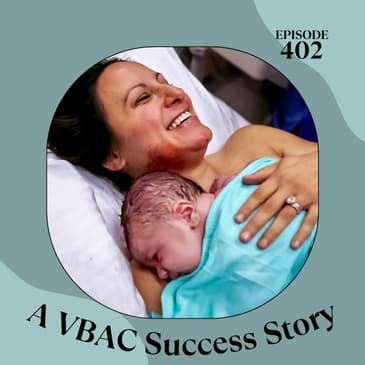
In this episode of the Optimal Body Podcast, Dr. Jen, doctor of physical therapy, shares her inspiring journey of having a vaginal birth after cesarean (VBAC) for her second child, Luca. She discusses the emotional and physical challenges she faced, the importance of mindset and preparation, and the invaluable support from her midwives and partner, Dr. Dom. Dr. Jen emphasizes the significance of hydration, nutrition, birth preparation exercise, and mental readiness during pregnancy and postpartum. Her story highlights the empowerment that comes from being informed and advocating for oneself, offering encouragement to women considering a VBAC. Join Dr. Jen and Dr. Dom for an insightful and heartfelt discussion on childbirth and motherhood to empower optimal women's health.
LMNT Electrolytes: Free Gift with Purchase!
Stay hydrated and energized with LMNT electrolytes—sodium, potassium, and magnesium for brain and body. Get a free gift with every purchase and try new flavors! Get your Free Gift now!
Needed Discount:
Jen trusted Needed Supplements for fertility, pregnancy, and beyond! Support men and women’s health with vitamins, Omega-3, and more. Used by 6,000+ pros. Use code OPTIMAL for 20% off at checkout!
Jen Health Discount:
It is Doc Jen's birthday month! To celebrate, Jen is inviting everyone to join her doing the Full Body High Intensity plan on Jen Health! You can get this full month plan for only $20 using code OPTIMAL at checkout. Just go HERE and sign up for the monthly membership. You get access to this plan and 11 other plans to help you start to move freely and confidently in your body. Come join us today!
We think you’ll love:
For full show notes and resources visit: https://jen.health/podcast/402
Hosted by Simplecast, an AdsWizz company. See pcm.adswizz.com for information about our collection and use of personal data for advertising.
[00:00:05] Welcome to the Optimal Body Podcast. I'm Dr. Jen. And I'm Dr. Dom. And we are doctors of physical therapy, bringing you the body tips and physical therapy pearls of wisdom to help you begin to understand your body, relieve your pains and restrictions, and answer your questions. Along with expert guests, our goal of the Optimal Body Podcast is really to help you discover what optimal means within your own body. Let's dive in.
[00:00:29] Before hopping into the episode, I want to talk about hydration because it's one of the arguably most important aspects of health, but it's something that not a lot of us pay close enough attention to. And I'm not just talking about drinking enough water here. I'm talking about replacing the electrolytes that we are naturally losing throughout the day without even knowing it.
[00:00:48] That's why Jen and I use Element Electrolyte Drink Packets in our water every single day to help replace the sodium, magnesium, and potassium that is so vital to make sure our body can operate optimally. This is something that Jen took while she was pregnant. It's something that she took postpartum to help with her milk supply. And it can not only help with so many of these benefits inside our body, but it tastes so delicious and keeps me coming back to my water bottle throughout the day.
[00:01:13] So if you want to start upping your hydration game, go down to the link in the show notes. It is just drinkelement.com backslash optimal. That's drinkelement spelled out L-M-N-T dot com backslash optimal. You get a free sample pack with every single order, which gives you all the flavors. So inevitably when you come back to get more, you know which flavor is your favorite. Head down to the link in the show notes and start optimizing your hydration today. All right, let's get into the episode. Okay, we're back in action.
[00:01:43] I mean, we have continued our podcasts rolling out, but we batched so many of them before baby Luca was born back in December. That this is the first one that we are recording postpartum. So it's only fitting that we talk about the birth story. Yeah, two and a half months postpartum. So bear with me with my brain as well as we navigate this podcast. Yeah, no cuts. We're going to just tell Luis you can't cut anything. You just have to go through it.
[00:02:11] Okay, we'll do our best here. I'm just kidding. We'll talk to you about cuts, Luis. Okay, so let's start with going into it. I want to talk about a little bit why I decided to go for a VBAC rather than a repeat cesarean this time around.
[00:02:31] And to be honest, it was a decision that I had to kind of go back and forth with and talk to other mothers who have been through a cesarean and their second birth and what they decided to do and why. And what I felt in my heart, you know, I really wanted to do. And I had an idea from the beginning that I wanted to do a VBAC, but I think I also had some fear with it.
[00:02:55] Yeah, I mean, because there is risk and there is the fear that people, you know, preach about after having the cesarean, you know, going for a vaginal birth. And we don't have a crazy amount of time between our kids. So, you know, some people will say, oh, wait, this amount of time if you want to go for a vaginal birth. 18 months or whatever it is to reduce your risk of uterine rupture is the one people are really concerned about.
[00:03:23] But I am interested because when I was kind of watching your journey of making this decision, even, you know, you were listening a lot of, is it called the VBAC podcast or what do they call that? So it's called the VBAC link podcast. The VBAC link podcast, which you were able to hear so many stories of people who had C-sections first time around for whatever reason and then went for vaginal births afterwards.
[00:03:50] And I feel like as I watched you listen to all of those, it like fueled your decision. It did. And because I think my biggest fear wasn't necessarily the uterine rupture because those stats are actually pretty low. You know, and being in a hospital setting, which is what I wanted to be in, I knew that I would have the support. And so I wasn't too worried about that.
[00:04:15] I was more worried about the embarrassment, to be honest, being on social media and going for a vaginal birth again and failing. And quote unquote, it's not a fail, right? To turn into a cesarean. It's a birth. You get your baby. But that's the way it kind of feels being on social media and putting yourself out there in that way. Even if you're not on social media, I think moms could relate to that, like that feeling of like, oh, I failed again or my body failed again.
[00:04:45] And I just didn't want to be in that position. So I think that was more so my fear. And so when I was talking to, you know, meeting midwives at a hospital that I decided to be at, I wanted to go with midwives. They were very supportive of VBAC. They had like a 95%. VBAC success rate. Yes, which was amazing. And I presented it as, I want to try for a vaginal delivery, but if it gets to the point where, you know, I need a cesarean, then I'm going to have a cesarean.
[00:05:13] And so I always kept the option open. I never just said I would have a vaginal birth. And it wasn't until it was actually a midwife who recommended listening to the VBAC link podcast because I didn't know about it. And it wasn't until I listened that I was like, I'm all in.
[00:05:30] And even the OB I talked to at that practice said you have the biggest, the biggest way that you're going to be successful in having a VBAC is if you fully commit and you fully believe that this is possible for you. Okay, real quick. This is the perfect time to remind you why I took needed when we were trying to conceive all throughout pregnancy and now postpartum. Pregnancy and postpartum are some of the most nutritionally demanding times in a woman's life.
[00:05:58] And a mom and her baby's health now and for years to come is influenced by her nutrient status. 95% of women in the perinatal stages have nutrient deficiencies. And most prenatal vitamins include the bare minimum nutrition based on outdated guidance and stale research. We deserve to thrive, not just survive.
[00:06:18] And that's why Needed offers radically better nutrition products, education and advocacy rooted in clinical research and practitioner validation, which is why I trusted them, which is why I went to my RD friend and I said, hey, what do you think? Would this be good for my body? I really care what I put in and what I tell you guys to also recommend. So this is why I'm telling you Needed, it's it. If you're looking for something where you can either take pills if you just want to do pills or you can even do it in powder form.
[00:06:48] So they have different variations as well. And they have so much to support you. Like I'm telling you, go look at it. And you're going to go to thisisneeded.com, which is T-H-I-S-I-S-N-E-E-D-E-D.com. And use code optimal for 20% off your first order. Again, that's code optimal and you hit 20% off your first order. Okay, let's go back in.
[00:07:12] And this was a very cool environment because in your average general hospital, they might not be as supportive of this choice or you might not feel that kind of vibe because it's not something a lot of people are comfortable with.
[00:07:27] And you can't blame the individual hospital because if they haven't done a lot of VBACs and they haven't encountered the complications that can potentially come up, it makes a provider nervous to be doing something for the first time or to only have done it a couple times. And so this is a relatively unique situation to be at a hospital where they are trying to make a name for themselves for having success with this VBAC style birth.
[00:07:54] I know. So I was very, very grateful to be in that environment. And I will say, listening to the VBAC link podcast as well, this is one of the number one drivers that they hone in is, and you hear women who drive hours to a hospital in order to be in that kind of environment. Because there's a difference between having a provider that's VBAC tolerant where they're like, all right, we'll try it. We'll see. That kind of thing where I was like, sure, you can do it.
[00:08:22] But, you know, versus yes, this is what you're going to do. This is how it's going to happen. Like the OB was so amazing. I only saw him once because I spent the majority of time with the midwives and he was just like, so like, yep, you're going to be with the midwives. This is going to happen. He was talking it into me already. Yeah. Which is incredible. Which is great. Yeah. And so, okay, let's fast forward, you know, decide to go to this route.
[00:08:52] And Dante didn't come until, I mean, he was born at 42 weeks. Yeah. You went into labor the day before 42 weeks, which is when you were going to go in to get induced. Yes. And so I was afraid that that was going to be my similar journey again. Yeah. Yeah. And we had, we had, we just, I discussed with my midwives, you know, I don't want to go to 42 weeks this time.
[00:09:22] That's just a personal preference of mine. Yeah. Um, they had, they were comfortable going to 42 weeks, which also for a VBAC, I think that's really unique situation. Uh, they weren't, you know, enforcing that I needed to be induced by a certain time or anything. I was going to choose to be induced. I think it was like 41 and four, 41 weeks. Three days before. Yeah, I know. Three, three days before 42 weeks.
[00:09:47] Um, and there is a way that you can induce, um, without, you know, impacting the uterine scar so much and putting too much tension on your body. Yeah. Yeah. I mean the whole 42 week thing. I was trying to dance my best because I know that that was like a constant thing in your mind. Yeah. I'm not going to go early. I'm not, and the amount of comments you would make. And I. I know. I got to the point where I'm just like, well, if you keep saying it, you're going to go for 42 weeks and beyond. You're not going to have this baby until 45 weeks.
[00:10:17] I was so sick of hearing you. Well, I'm not going to come early anyway. Well, I'm going to have this baby at Christmas. I'm just like, oh my God. And you know who's going to be on? You. Because you kept telling yourself you were going to. Well, and guess what? Guess what? By some miracle. I went on time. So here's what happened.
[00:10:42] So I, my last midwife that I went to with Dante, she was not a fan of doing any kind of induction methods, which I understand because she's a home birth midwife and wants to keep things all very, very natural and not push the body beyond what it's ready for. So I get it. Yeah. I wanted to do a membrane sweep this time at 40 weeks if I was open. You have to have a little bit of dilation. Your cervix has to be dilated a little bit.
[00:11:12] Yes. In order to be able to do a sweep. And I was one centimeter when I went in at 41, 40 weeks and one day. 40 weeks and one day is when I went for my 40 week appointment. She did the sweep directly after the sweep. I had an appointment for what they call an induction massage at this place that they recommended nearby. And so I went in for my induction massage, felt great in the first 30 minutes.
[00:11:37] The last 30 minutes were these like acupressure points that felt worse than the membrane sweep. I mean, those were intense. And then from that, the rest of the day, I had little bits of cramping on and off throughout the day. I just kind of chalked that up to, oh, that's just, you know, my body feeling some things after the membrane sweep, potentially after that intense massage.
[00:12:05] But, you know, I didn't think anything of it really. And I don't know if, I mean, you. Well, in retrospect, because next morning. Yeah. We'll talk about that. But. Well, that's where in retrospect, I think it was early labor. I think it was very early. Very early. Very early random labor contractions, which can start and be kind of sporadic and kind of mimic. What's it called?
[00:12:34] Prodromal labor or, you know, but you just sounded different. It sounded like you were feeling things that were different than anything you had felt previously. Yeah. And then the next day. Like, it didn't feel like Braxton Hicks. It just felt like cramping. It felt like kind of like period cramping. But I remember telling you at night that it would. I was like, oh, I think it might be every 12 minutes. Yeah. Because there was some pattern too. There was a tiny bit of a pattern, but it stopped the moment that Dante threw up. Oh, yeah. Because our son got sick.
[00:13:04] Dante. Yeah. What was. Oh, well. He ended up having hand foot and mouth, which we'll talk about later. Not great. But Dante chugs down his bottle of milk. We're trying to get him ready for bed. And then literally, as soon as he finishes his bottle of milk, takes it out of his mouth and just pukes everywhere. All over me. All over himself. All over the floor. Which hasn't happened often to us. He spit up a lot when he was a baby. But we're just like, oh, okay. Great.
[00:13:35] Wipe all this up. Yeah. So you went to go to take him to a bath. I started wiping it all up and I didn't feel any cramping. Yeah. So I was like, cool. Not going into labor. There's too much happening here. Took your mind off the potential for labor. Yeah. And so we ended up getting ready for bed after that. Yeah. And I went to bed. Just fine. I don't think I did anything special that night or that evening.
[00:14:00] I think every night I did some mobility and down regulation and that kind of stuff. You were doing the mile circuit real consistently. Oh, I was doing the mile circuit very consistently because I didn't want to go to 42 weeks. Yeah. So you would do that kind of stuff. I remember it was like 5.55 on the dot in the morning. 5.55 a.m. I woke up to a very strong contraction and then I felt it trickle down my leg. And I knew. I just knew. I knew it was my water. It wasn't.
[00:14:28] It's not like the movies where there's this huge gush of water, right? That comes out. Had I gone to Dante's room yet? Or was I still in our room? Can't even remember. I can't remember either. It all was kind of. No, I think you guys were up. I think we were up already. At least Dante was getting up early at that point and sometimes wouldn't rest in the bed with me. And I get a call from you saying. Yeah. That I think my water broke. And that's.
[00:14:55] Because when I got up out of bed, I felt more water come out. And you know, you're always questioning like, okay, it's a trickle. So did I pee? Or was that really my water? And then I went to the bathroom and I actually peed. And I was like, no, no. Because I wasn't having leaking symptoms. I wasn't having pelvic floor symptoms. So I really, really in my heart knew that this was my water. But that was also the point too, where you were like the contractions.
[00:15:25] They came on with a force at that point. Oh my gosh. And you're like, because the first time you called me, it wasn't like, hey, my water broke. Yeah. We need to. I'll chill. It was urgent. Things needed to happen. And so, yeah. But that's where I'm saying like looking in retrospect, I'm like, what was happening with your body and the cramping you were feeling? It was probably early, early labor. But I was able to sleep through the night, which was great. But you slept through the night, which amazing.
[00:15:54] Because you never know how long labor is going to be for before birth happens. And yeah, at that point, we put the wheels in motion. Yeah. Because at that point, I started feeling contractions every two and a half to three minutes. And when I started tracking it on my phone, you know, of course, it's like, go to the hospital. And I'm like, what do I do? I know I'm not supposed to. So I even got in the bath. I started a bath and I got in the bath because I was like, let me see if this can slow things down. And it didn't.
[00:16:22] Like it was every two and a half to three minutes, I was getting a pretty dang strong contraction. Like it, it kind of hit me out of the gate. And so that, that point I was like calling my mom frantically to help with Dante. We hadn't really even prepared her because I, you guys, I did not think I was going to go into labor at 40 weeks. That was 40 weeks and two days. Yeah. It's our own fault. We kind of had a bag of stuff together-ish. Ish. That we had just put together like a couple of days before.
[00:16:51] Yeah. We weren't prepared. I basically had to go and knock on your, or open your mom's garage and go in and like, Hey. Wake her up. I think Jen's in labor. I'm dropping off Dante. Here's our kid. Good luck. Wake her up. Yeah. I mean. It was pretty crazy. I was just really not convinced. Even after the membrane sweep and the cramping, I still just didn't think it was going to happen. The thing that we didn't think of at that point after your water had broke was like,
[00:17:21] we can go in right now because after your water breaks, they have to admit you. Like often, because the concern was, and it's like half an hour to 40 minutes to where you were giving birth. And we're like, we don't want to drive there and get turned away. Yes. Because often, and you hear stories of people saying, oh, I went in, thought, you know, my contractions were three minutes or whatever, every three minutes. And they said, oh, you're two centimeters or you're three centimeters. Come back when you're seven. I turn you away. Come back when you're five or six.
[00:17:51] I was like, okay, great. How do I, how do I know when I'm at five or six? I could be at five or six by the time we get home. But after your water breaks, there's an infection risk. And yeah, they want to wait 24 hours and see. Yeah. So they will usually admit you. Yeah. So luckily my water had broken because when we got there, we, so we got there two hours later. So it was like 6 a.m. Water broke. We got there at 8 a.m. So we get, we did get there pretty quickly. Yeah. Yeah.
[00:18:18] Dula met us at the hospital and I was a whopping two centimeters. Yeah. So I was like a little disappointed. You know, when you're feeling contractions, you think that you're like, I got to be four at this point. Yeah. Baby's coming. No, I was two centimeters. Yeah. But, but they allowed us to stay. They got us a room ready. In a birthing suite. Not a suite. Or not, not their birthing suite, whatever.
[00:18:47] One of the birthing rooms. Yes. But what I also appreciated at this hospital, so they don't turn on all the regular lights like overhead and stuff. They actually have like almost like Christmas lights that are around different places. And then they have the little teacup candles. Um, so they have all this like really dim, beautiful lighting and then you can play like your own music. So, and then they bring, they, when you want to, they bring in a big birthing tub as well.
[00:19:14] And so it truly felt more like a, like a birthing suite than a hospital room. And I just really appreciated that. And I felt like I was more with Dom and my doula more than, you know, nurses coming and checking all the time. I just, I felt like I was in my own world of being in this birthing place. So that felt really special to me as well. No, I think that's great. And I don't know if we want to pause and like give recommendations that we would give,
[00:19:42] you know, in retrospect on like what to bring to the hospital, what to think of, you know, like, like, I guess this is the whole birthing process. So it's like, you brought up the doula, which by the way, we're interviewing a couple doulas. I think that comes out. In a month. In a month. So yeah, it comes out in a couple episodes, but they're actually the doulas who founded the company where Jen got her doula from for this birth. But we went through a birth plan with her. We're going to be talking about that in that episode.
[00:20:12] So we won't go over exactly what a birth plan is, but making sure that you have birth plans, have birth plans printed out so you can give them to nurses. And it's just kind of your wishes on how on the environment you want. Interventions that are your priorities or that are your first choices, things that you don't want to unless absolutely medically necessary, all that kind of stuff. We had put together a bag of snacks.
[00:20:39] We had put together a bag of waters, coconut water, or I guess I grew up coconut milk, which is kind of an interesting choice thinking back. Yeah, I didn't have any of that. Coconut water. I had plenty of electrolyte water. We had electrolyte waters, elements. You had mentioned they got some bone broth for you at the hospital, which was great. My doula brought bone broth. That was just like a mix that she put into hot water. Bone broth mix because they can always get you hot water. So things like that. Things that you really appreciated at the hospital were the dim lights, but they also had like
[00:21:08] these little light string things of sorts and the candles. And so like if the hospital is not going to have something like that, but you want to set the ambiance, bring that. Something to play music is great to have. Have your phone. Have a playlist already ready. I had a playlist ready that I would take baths with and listen to. And so that was really special. And they also, so being a TOLAC.
[00:21:36] So TOLAC is trial of labor after cesarean. So you don't get considered to have a VBAC. You can't technically say VBAC until you've had the vaginal birth after cesarean, right? Yeah. That's funny. I never even really knew what you meant when you said TOLAC. Yeah. It's like a, it's another word for VBAC. Kind of. So it's a trial of labor. So that's what they call you, your trial of labor patient.
[00:22:03] I had to be, have continuous monitoring the entire time, but they had wireless continuous monitoring. So I could be in the shower. I could be in the tub. I could be in different places and still have the continued monitoring. Now, I know in some instances, if you really don't want it, you can try to request not to have it. I was okay with it. Listen, I'm a VBAC candidate. I understand the risks.
[00:22:27] Um, and if, if we can catch uterine rupture prior to me feeling it because of what we see on the monitor, then I, I feel better about that. So personally, I felt okay having the continued monitoring. Um, other things that you can always turn down and having a doula to support and kind of have your wishes to the nurses and the midwives or OBs or whoever's there is how often you want to be checked.
[00:22:51] Um, cause they'll come in and potentially want to do more, uh, cervical checks to see how dilated you are. You can turn those down. So, you know, having that empowerment and not, and you being able to be in the birthing world in your own space and just have someone else communicate what your needs are and what your desires are. I think is really helpful. Yeah. We talked about this a lot in our first birth story too.
[00:23:16] It's just like setting yourself up to be your best own advocate as well as any birth support partners, whether it's a husband or a partner or a doula, like going in with that team and being like, okay, here's the plan. We're going to advocate to the earth's end for this to happen. Anytime a decision needs to be made, the doula, your birth partner or support partner, like you're going through labor. You don't have time to think. Yeah.
[00:23:46] Um, they are the ones that can help slow down those decisions that can help to at least take a breath. Think about it. Ask a question or two before you make the decision because they try to push snap decisions a lot of the times. And I know we interviewed the duels already in the episode that comes out in a month and they said the same thing. Slow down the decision, take a tactical pause. So it's great to have those discussions with your birth team before going into such a crazy,
[00:24:15] possibly anxious and stressful environment. Yeah. And now I was particularly in labor land because I chose to have an unmedicated birth this time. So, and that was my preferred choice in the first birth as well with Dante. I ended up having a epidural because after 26 hours of zero change and still being five centimeters, I thought, okay, maybe I do. My body does need the epidural. Maybe I do need to relax.
[00:24:43] I thought I was doing all the things and I was trying everything, but maybe I do need this help. And the moment I got the epidural, which is super common, your blood pressure drops, it drops the heart rate and the blood pressure of the baby and you get a heart deceleration. Right. And so that happened the moment I got the epidural. However, every time after that, then I went, I had a contraction. I had a heart deceleration and they only kept getting longer and longer, which is the reason we ended up in the cesarean.
[00:25:11] So I was so afraid to be in that same boat. I, in my mind, I thought, why am I trying for a vaginal birth if I'm, if I end up in the same boat after having the epidural? So I was just personally afraid to get the epidural, not because, you know, of whatever might be in it or I have my reservations about it. I am fine if, you know, if you want to give me some pain meds to help.
[00:25:36] So I just personally really wanted to try and do everything possible to, to provide that environment for my body and for myself, um, that I opted not to have the epidural. So that was really part of my birth plan. And I am proud to say that I went through the entire birth without asking for it once, even though my, my, I was trying to like telepathically tell Dom and my doula, like, maybe I should
[00:26:04] get it now at some points, but I never verbally said it. All of the birth stories that I have heard or listened to or birth support personnel, whether it's doulas or midwives say there's a point that a woman going through an unmedicated birth hits where they're like, give me the pain meds. I think I need the pain meds. I think I need the epidural now. And that usually means you're close because that usually means you're going through transition,
[00:26:28] which is another thing I thought was really cool and unique and something that I'm just so thrilled about for you. I'm proud of you for is like how the birth progressed. Like you said, we got there at two centimeters and they didn't do a lot of checks because every time they checked, you had progressed. I swear it was like... And that's how they knew, right? Yeah, it was like... They were checking. Because they checked right when we got there at around eight. Then they checked maybe two hours later.
[00:26:58] Yeah, they checked a couple hours later. You're at four centimeters. And then you checked maybe a couple hours later, you're at six centimeters. And then maybe a couple hours later. So now we're at two o'clock. You were getting out of the tub. And to me, this was like the moment of truth on that final check. Well, let's go before that. I want to talk about before that real quick. Just for me, the progression of the birth was like so cool. I mean, that was really cool for me too.
[00:27:24] So it was great to be like, okay, I went from two to four in a couple hours, right? And then I went from four to six. So then I think I went into the shower at some point between that. Maybe went into the shower because we hadn't filled the tub yet. Went to the toilet to try to labor a little bit. So I was trying different things. They had birthing balls. They had peanut balls. Like I was trying different things. Contractions were still strong this whole time. Yes. I really, it was still every two minutes. Yeah, every two minutes. I really had no break.
[00:27:55] And so once after the four centimeter check, so it was a couple hours later. And then I heard six centimeters. We were kind of deciding at this point, okay, depending on what I hear, if I'm at six centimeters, let's go into the, let's ask for the tub. Let's go into the tub. If I'm, if I'm progress further, let's stay out and continue doing what we're doing. And so once we heard six centimeters, that's when we're like, okay, we can go into the tub. Let's try laboring there for a little bit.
[00:28:24] But what was cool for me is hearing six centimeters. Yeah. I did not get to hear that in the birth of Dante. You think you say six centimeters is cool. To me, I was still, I still had reservations. Of course. Because like five centimeters, six centimeters, like you guys know how big a centimeter is? Like, like they're checking with their fingers, literally like this, like, oh, she's about five, six centimeters and another fingernail. Right.
[00:28:50] Like, so when I heard six centimeters, I was in my mind like, okay, she's progressing because like they wouldn't like four to six. That's probably a pretty, that's almost an inch, like clear difference. But I was like, is this the five ish centimeters that she got stuck at last time? Yeah. Not to take away from your excitement in the moment. But for me, I'm like, I need to hear something more like seven or eight to be convinced. Because like an inch, that's harder to mistake.
[00:29:20] But yeah, you spent almost 24 hours at five centimeters last time. And even at the epidural, still never went past five. Yeah. So over, yeah. Yeah. Over 24 hours. Never went. Five centimeters. And so that was my goal going into the VBAC. I said, you know, no matter what happens, because the greatest lesson I had from my first birth is that you cannot control anything. You cannot go in with high expectations.
[00:29:46] You go in with, you know, as prepared as you can be with the advocacy that you know that you can do and you can speak for yourself and the rest, you leave it up to God because there's not much you can do. So I went in saying, you know, if I could get past five centimeters, like that would be more accomplishment than what I was able to do last time. So I would be at least happy with that.
[00:30:13] Like at least I tried, at least I went a little further and you know, I did what I could. And so me hearing, for me personally hearing six centimeters did feel like a win. And then going into the tub and laboring there got way more intense because I definitely think I was going through transition. Well, I did go through transition in the tub. And it was also cool to be able to instinctively, and this is probably again, due to not having
[00:30:43] an epidural, feel what I needed. In the first birthing experience or labor experience, I wanted all the hands on. I wanted Dom or my doula to continuously be doing counterpressure on my, around my pelvis, around my sacrum when I was going through contractions. Yeah. And as soon as I hit the tub. Which yeah, early on in this labor, you did want some of the hands on stuff.
[00:31:10] But then yeah, in the tub, it was like nothing. Yes. When I was going through transition, I remember you would try to kind of get your hand back there and I'd be like, please don't. I don't know if I said it again. I don't know if you were that polite, but I won't tell you guys the actual words that you said. I don't remember at this point. Stop me. Just kidding. Maybe I did. Who knows?
[00:31:37] But I really just, I wanted you emotionally. I wanted you like in my face, kind of like breathing with me still telling me affirmations, you know, emotionally kind of being there for me. Yeah. But I instinctively was just like, please hands off my pelvis. Like, so it was crazy. Yeah, that all kind of makes sense. Yeah. In transition, baby's really starting to engage and move through the pelvis. Right.
[00:32:06] Versus the first birth when you're not even at five centimeters, baby hasn't descended. Like, you're like, do anything you can to my pelvis to get this freaking baby down. But yeah. And that's when, when you were coming out of the tub and they did one more check. I was eight to nine. You're eight to nine fully. Fully effaced. Fully effaced. Fully effaced. Um, let's get you out. And that's when I was like, holy shit, like she's going to do it.
[00:32:35] Because I knew like you had at eight to nine centimeters, you had basically made it through transition. Yeah. And you're to the point of pushing, you know, near pushing. Yeah. I was pretty exhausted at this point. Now, again, I transitioned through things every couple hours. So had it been too long, you know, compared to the first. Yeah. Uh, experience again. Things started at 6am. Yeah. Like I said, early labor may have started the night before, but you slept.
[00:33:05] So you're like in your mind, not counting that. You're like, yeah, things started, major contractions started when the water broke around 6am. And now it's about two, maybe. Maybe. 2.30. Yeah. Maybe even later. And that's when the doula was like, let's just see how, or not the doula, the midwife, you know, said, I think it was around that time, right? When she just said, let's just see what it looks like. Um, for you to push. And I think she wanted to assess a couple of things. One, you know, where baby was. Like what station he was at.
[00:33:33] And then two, what it looked like for me to push and what that, um, if how much she would have to coach. Cause that's kind of the comment that she made. And so, you know, I did it and dropped him cause he was still a little high. Not on the floor, but. Plopped him right out on the floor. I wish. One push. One practice push. No. No. I dropped him to where he needed to be for delivery to 10 centimeters. Yeah.
[00:34:03] That was crazy. Basically transition him through the stations of the pelvis. Yeah. To, to be ready to go. And so she was basically like, okay, next contraction you fill. Let's push. Start doing it. And I started on. So again, I was tired by this point. I went over to the bed after I got out of the tub and I started when she checked me, I was on my side. So I just kind of stayed on my side.
[00:34:32] Um, and you know, once it came time to start to push, I stayed on my side and I asked Dom to kind of hold my leg and internal rotation, trying to do all the things internally, rotate your, your legs so that you'd open the back of the pelvis, stay off of the sacrum. So I rose rolled on my side. Um, this is kind of a funny transition because I had some like interesting internal decisions
[00:35:00] that I needed to make during this as well, because I knew what you wanted. Yeah. Right. On all fours, internal rotation. I mean, potentially on our fours or on my side or in any position. Other than on your back. Yeah. Yeah. So you could probably imagine where this is going. Um, so I am started on my back and we're going through a few pushes and they see the head. Yeah.
[00:35:29] That was like pretty much right away. Yeah. Come out. See his little dusty hairs come out and, um, but with every push, they just keep continuing to see head and head and head and yeah. I mean, yeah. Not much more is happening. Yeah. And so the midwife is like, okay, we need more pressure. So, and also his heart rate was starting to decelerate. They saw a couple of D cells. Yeah. Yeah.
[00:35:56] Saw a couple of D cells on a couple of the pushes and contractions. And so they really just wanted. It's normal. The guys. Coming, being squeezed through. Being squeezed through the canal. Right. So, and that was in my mind that the point where she started saying we need more pressure. I was trying to make a snap decision in my mind. Like, do I try and intervene on behalf of Jen?
[00:36:21] And because I know if she was told, oh yeah, you're going to give birth on your back, legs wide. I would have said no, thank you. Holding her breath, bearing down. She'd be like, yeah, F no. Or do, because I didn't see much resistance in your eyes even. But again, you're in the moment of pushing the baby out. So I was like, I think it's best to go with this.
[00:36:47] Because if I were to interject, we'd probably lose a contraction discussing you wanting to go on your hands and knees or you wanting to stay on your side. Yeah. He was already having the D-cells. I'm trying to like snap decision, make this while we're in the midst of you pushing. Yeah. And just decided in my head, like, yeah. The doula, I feel like almost got pushed out by some of the nurses too.
[00:37:14] So she was near me, but she couldn't be like real close to me, which I didn't really love. And I know she didn't really love either. She was trying to, yeah. She was trying to help and coach and say from where she could stand. Um, and so when I was on my side, she looked at me and she said, you're not on your back. You know, she knew as well where I wanted to be. And so she was like, it's okay, keep going. And so I was like, okay. And then the midwife was just like, we need more pressure. We need more.
[00:37:44] And so she was like, can I just have you try on your back and, and, and see and, and push. And so went onto my back, did my open mouth, you know, exhaling, pushing as I wanted to. And trying to, you know, bear this baby down. And she was like, okay, good. We need more pressure. Yeah. And so that's when, you know, I was looking between Dom and doula of like, do I go on hands
[00:38:13] and knees in my mind? I'm exhausted. I don't want to go on hands and knees to be honest, but I was also wanting to do what was best for body and baby. Like, what do I do? And it was kind of just like, okay, just listen to the midwife at this point. Like, let's just get this baby out. And that's kind of the pressure it felt like in that moment too, was like, let's get this baby out. And also I wanted to, I was tired.
[00:38:40] And that's very real for most people who go through birth. Like you're, you're tired, you're exhausted. You've been going through this all day, if not longer. And so I, so eventually she's just like, okay, we need more pressure. Like hug your legs in. And then she's like, okay, crunch over your body. Oh, she's, and then the last kicker is just hold your breath and push as hard as you can. Give her hell. And I was like, fuck in my mind.
[00:39:09] And I was like, all right, here we go. Here we go. Legs open, pulled wide and nurses on one leg, Dom's on the other leg. And I'm just crunching over my body, red, purple face, whatever they say. Purple face breathing. Holding my breath. Or pushing or whatever. Got that head out. And they just kept saying like, my doula at one point said afterwards. She was like. Got Tom, Tom Cruise out of there. Oh my God. Don't even.
[00:39:39] Okay. I just have to share my. Okay. Go ahead. Insight quick. When a baby comes through the birth canal. And I've seen this on like whatever home ec or fax class. This is where you can grab all your partners that are just going to watch because it's going to be hilarious for them. And the head distorts coming through the vagina, obviously. And like into like this football shape. But if anyone's ever seen Mission Impossible when they wear the rubber, those rubber masks.
[00:40:08] Tom Cruise puts on the masks and it like shifts around on like his whole skin on his head and face was like warped and shifted down. And it looked like he was wearing a rubber Mission Impossible or Halloween mask. And as soon as his head popped through the canal, it like snapped back into place. And yeah, that was my childish brain. Like, oh, Mission Impossible. Yeah. He made it.
[00:40:36] Oh, amazing. The miracle of childbirth. So, yeah. Once that head came out, that was like the biggest thing. The midwife, you know, as soon as then he, you know, basically just came out after that. And the midwife was just like, wow, he's a big baby. Big baby. Yeah. And the doula, she had told me after she was like, I didn't know if he was posterior. Like why his head just kept coming out. And they just said, because he had a very large head. Yeah.
[00:41:06] He was just a big baby. They pulled him onto me. And this is where I want to talk about, you know, the bliss of birth as well. Yeah. Probably in a way that you wouldn't think. So. Because now you have two births to compare. Yeah. Very different. So, and very different experience, very different frames of mind. So, when I had Dante, first of all, he was a rainbow baby.
[00:41:35] And I was just so grateful to have an alive baby in my arms. Mm-hmm. And it had been twin, no, 32 hours probably at this point when we finally got into the cesarean, maybe more, that we finally got to meet him. And obviously I had the epidural. I had the spinal at that point. I was, you know. Yeah. Fine. Feeling nothing. Felt no contractions. Feeling no pain. Feeling nothing.
[00:42:03] And so, by the time they pulled him out and I got to, he got to be on me. It was tears. It was elation. It was like, he's finally here. I did feel connected. I feel the opposite. I hear the opposite a lot from a lot of cesarean moms, especially when it's an unexpected cesarean. That it's like, what the heck just happened? All these procedures. We had a really good experience in the hospital with that cesarean. The anesthesiologist was amazing. The doctor we ended up going with was amazing. We felt really supported.
[00:42:32] So, I, and I got to hold him. I got to have him skin to skin. So, there was just, you know, I did feel that elation. I did feel that bliss with the first baby. Hated that he was taken away from me after that to finish, you know, stitching me up. And it wasn't that long, but I hated it. So, I hated that part. But within the vaginal birth, he came out. So, he did have a cord around his neck, which is why he had the heart decelerations.
[00:43:02] And they clamped his cord pretty quickly after a minute. Yeah. So, they got the cord off from around his neck right away. Midwives are wizards at doing that. So, got that off and got him up and on Jen's chest. And he didn't start crying immediately. And so, you know, they're kind of rubbing his back, rubbing him, trying to get that brain, you know, full of blood, lungs cleared so that he can start screaming.
[00:43:30] And it had been about a minute and he hadn't cried yet. And so, that's when they clamped it because they thought they might need to take him to get him to cry. Yeah. Which, yeah, depending on what you listen to and who you talk to, it's not that concerning. Yeah. And so, anyways, I mean, they... They clamped it and he... Immediately. Immediately cried. Right. Ideally, I would have wanted to not have it clamped right away, you know, and just been able to do that later.
[00:43:59] Do the delayed clamping and let... Basically, let the heartbeat die out. Yeah. But that's okay. You know, it was what it was. But there was this, like, just experience of shock. I only pushed for about 30 minutes. So... And I say only because I think for a first time vaginal birth, that's not too bad from what I've heard from different friends and stuff. So, him coming on me just felt like this, like, oh my gosh, what just happened?
[00:44:29] Like, I didn't want to be on my back. I didn't want to be purple breathing, pushing out. I... You know, it was a hard experience. It was hard to get him out. And then, all of a sudden, he's on my chest. They're all over me trying to make sure that he's awake or that he breathes and, like, all this stuff. And it just... It felt very different than the cesarean. That's, like, a lot more peaceful. I'm getting videos from the anesthesiologist and pictures and, you know, it was just a very different environment.
[00:44:57] So, him coming on me, I honestly did not feel the, like, instant connection and bliss of, like... I felt like the, oh my God, what just happened? I'm a little lightheaded. I've lost a lot of blood. Like, what is going on? You know, it was a little disorienting. And then, it took me a little bit to be like, wow, I just did that. Yeah. Like, okay, you know, that just happened.
[00:45:23] And so, then I did feel, like, a little bit, you know, joy and excitement of just the fact that I was able to successfully have a VBAC and I had my baby on my chest and how amazing. But it was hard. And then, that's when all hell broke loose was afterwards. Yeah. Oh, yeah. I forgot. I was like, okay, we're done with the story. But no. No, we're not. I mean, so what?
[00:45:49] Because after this, you know, you have to wait for the placenta to be birthed, which placenta came through. And meanwhile, all the nurses and midwife are doing all their, like, post-delivery checks, like weighing blood from the blood loss and this kind of, or measuring it, measuring the placenta, all that kind of stuff. Taking assessment of, like, if there had been tearing or not. And one of the nurses just came up.
[00:46:16] Well, they had, you know, kind of pushed on my belly a little bit. Yeah, done some compressions to push on your uterus. She didn't, it was the midwife kind of pushed. She didn't push really hard. And she was just like, okay, everything is good. And then they were wiping up. They had removed all the drapes and bins that are there to catch blood and fluid. Yeah. In case you hemorrhage. And then one of the nurses, she was just like, let's just do a check. And so she pushed on my stomach and out goes. Yeah. I mean, it was like.
[00:46:46] Huge amount of blood. Four or five pretty massive pulses of, like, blood, chunks of stuff, you know, chunks of placenta. Yeah. Yeah. That came out the first one because they weren't ready for it. Just splat all over the floor. Yeah. So, yeah. There was still some tissue, whether it's placental tissue, membrane type stuff that was still in your uterus that needed to pass. Yeah. And so that was pretty wild. And I honestly was like, oh, thanks. Like, it felt like a relief after.
[00:47:17] I'm not bloated anymore. Yeah. It felt kind of crazy. But I'm sure it looked crazy also having that much blood come out of me. And you had kind of asked me, like, were you nervous when you saw all that blood come out? And thinking back on it, no, not at all. I'm like, we're in a hospital. Like, this is the place to be if there is some sort of hemorrhaging. You, I'm big on symptoms. Like, you didn't look that pale to me. That pale. Well, other people said, like, oh, you look gross. I'm like, she doesn't look pale.
[00:47:46] Like, I didn't think you really looked pale. And so, but you were lucid. You were communicating. You weren't, like, woozy or anything laying there. But because I lost that much blood, all of a sudden, you know, I'm now getting a bunch of drugs. So, I got a shot in my leg. I got cytotectic as a drug under my tongue. I got, and then they gave me fluids. Yeah. And I got a lot of different medications they gave you.
[00:48:12] Most, all of them were meant to start contracting the uterus down. And help with the bleeding. And help with the bleeding. Yeah. So. Yeah. So, but that was pretty crazy to go from unmedicated birth to all of a sudden three things thrust on you all at once. And the cytotectic is the worst when you have that orally. They gave me this during the cesarean as well to help stop the contractions. Mm-hmm.
[00:48:41] And I just remember it was like an hour of violently shaking in your body. Like, violently. Yeah. And that ensued again. So, that was super fun. Not. It was. It felt like two hours. I mean, I think it was just over an hour of violently shaking to the point where I was like, Dom, you need to take this baby from me. Because I just like, shaking so badly with a baby on you. And I felt cold. I felt shivery. Because it gives you like those fever type symptoms.
[00:49:10] I mean, it just felt awful. I felt awful, awful. And I hated that. Which that was another thing in retrospect. I wish I could have been a little more in tune to like, all of a sudden they shove three drugs into her at once. And, you know, like, would it have made a difference if we said like, hey, these are all meant to like, help contract the uterus down and help the bleeding? Like, can we just start with one? Yeah. There's no questions.
[00:49:39] There's no time. It was kind of the just like, okay, we need to give you these now. And in hospitals, they have all these protocols where it's like, oh, you lost this much blood. We need to do this. And if you don't do that, like there were maybe two or three times that you actually had to sign releases. Yeah. And we weren't declining massive groundbreaking things. It was like. Well, the one thing that we declined because. After the fact, after having those medications, your temperature was high. Yeah.
[00:50:07] You had a high white blood count, white blood cell count. And what, there was a third thing. You hit three criteria for what they called sepsis protocol. Sepsis basically means that you have a systemic infection that has gotten into your bloodstream. So you have an infection that is now spreading across your whole body through your blood. And it's very dangerous. And not that I had this. It's very dangerous.
[00:50:34] But they have sepsis protocol where if you hit three of these criteria, oh, we need to put you on sepsis protocol. And then. In case you have sepsis. In case you have sepsis. Yes. To avoid the worst case scenario. Yes. And that was at that point where I just started asking more questions. I'm just like, okay. And I would always chat with Jen on this. And I. But I'm like, I don't want you to get pumped full of seven different antibiotics or whatever they were trying to give you at that point.
[00:51:04] Because it was so. Bleeding out, you know, not bleeding out, but like I had lost a lot of blood and I lost some placenta tissue. And so within that time too, just to make sure that the rest got out, the midwife went in and swept the area as well. So going back in with her glove and sweeping. Now you're it. You writ. You pose a risk for infection. So you're introducing external things into. And OB then came in and did an ultrasound.
[00:51:31] And they did a check of my uterus with an ultrasound and said, okay, it looks, you look good. It looks like we got everything out. You're good. But because of the midwife going in, there's automatically an antibiotic that I need to be on. So that was always going to be the case. But then with the sepsis protocol, they came in and wanted two more antibiotics at a certain, like repeated a couple times. Yeah. And those were. And those were the preventative ones of just in case.
[00:52:01] Because the first one you got was like kind of broad spectrum, general. The second, the next two were souped up. Like this would help take care of anything. And so we ultimately, I was like, I don't know, should I, should I not, should I, should I not, you know, going back and forth. Ultimately, I decided, we decided to decline. We had a sign that we were declining. The sepsis protocol. Yeah. Essentially declining to go on sepsis protocol. Because I was just like, yeah. In my mind, I'm like, look at what her body just went through.
[00:52:29] For her white blood cell count to be a little bit whack, that doesn't surprise me. You had just taken all these medications, some of which had side effects of having a high temperature or fever-like temperature. So I'm like, okay, let's let those medications work through her system and see if temperature comes down. Oh, your heart rate, your heart rate was high, which was the third thing. Again, the cytotec jacked up your heart rate. And it took a long time for that heart rate to come down after you got the cytotec. So I was like, let's just monitor.
[00:52:58] She's not, to me, showing any symptoms of having a systemic infection or any sort of major infection for that matter. But, and this is also not medical advice, right? We're not saying, oh, you should deny this. If this is our story. Yes, this is purely our story, our decisions. We're just going through why we chose to do things a certain way and what we felt personally most comfortable with.
[00:53:25] But this is not by any means saying that you need to decline medical treatment or decline recommendations. Take your recommendations and have the support needed around you to feel like you can make the decisions best for you and your family and your body. I think I want to just make that clear. Luckily, I did not have sepsis. You know, we asked, we will go on the protocol if we can monitor in the morning and see how things are still going. We have this one antibiotic. Can we see how this goes?
[00:53:55] See how everything and all the blood levels and everything is checking out in the morning. And they said, okay. And so that was our decision. I was still going to go on, you know, and do more antibiotics if needed. So that was the path that we chose to take. And ultimately, I needed so many checks. They did so many blood draws. I felt like I was getting poked and prodded every hour.
[00:54:22] And you had probably lost close to 2,000 cc's of blood. I don't know. Was it that? No. No, they documented a lot less. They documented a lot less. But I remember one time they threw out a few different numbers and I was like, yeah, you had lost a lot of blood. I lost a lot of blood. And so I felt awful. I remember the first time I got out of bed to go to the restroom.
[00:54:49] I stood up and I made it over there with the nurses around me. And then I went to the restroom and I said, I do not feel comfortable getting up. And I also think this is where being able to say I need all the help in the world is okay. I was not trying to be superwoman at this point and say, nope, let me try to get up and then pass out on the floor. Not what I wanted to experience. So I waited for them to bring something to help me navigate to the bed.
[00:55:16] And then the next morning I was still able to get up and I kind of brushed my teeth and put my hair back. And that felt like the biggest task in the world was standing there and trying to do those things. And so ultimately because of how my hemoglobin was. Yeah, your hemoglobin was really low. It was really, really low. And how I was feeling based on my symptoms. We decided to do blood transfusion.
[00:55:46] We did a blood transfusion and I was luckily able to go home that next night. So we only stayed one night in the hospital for everything crazy that happened. That's kind of the path and the course of how everything took. I mentioned earlier that our little guy, Dante, had hand, foot and mouth. Yeah. Maybe we can leave that dangling there. Now just to wrap, I had a few questions that I wanted to make sure that I addressed. So the first main one is how do you prepare for a VBAC?
[00:56:16] Now that's a loaded question because there's not one way to prepare for a VBAC. You know, I think you do everything you can. I did all the mobility last time. I did pelvic floor PT the first time. I think you did less physically for the VBAC birth than you did when you had to have a cesarean. Like personally and just what I saw and especially towards the end, how diligent you were first birth with everything.
[00:56:44] I mean, I was pretty diligent with mile circuit this time around. Mile circuit you were. But... Mile circuit felt like... I mean, the point of mile circuit is to help maybe get into good position because that's what's going to help put enough pressure in order to elicit labor. Right? So I... That's what was really my goal was just to do. I think I started that at like 39 weeks probably. Maybe even a little bit earlier. It was definitely... I think it was more than a week.
[00:57:14] That would have been what, nine days then? Well, I did it. I did it also. So there was a moment at 32 weeks where he was breech. Oh, yeah. So you were doing it a lot. And so I did mile circuit to help him flip. Also, when he was breech, we did spinning babies. I would recommend a spinning babies course. I did a lot of stuff. I have videos on this. So... Yeah. And if they haven't come out yet, they're going to come out on my channel. So make sure you subscribe.
[00:57:40] If you're worried about breech, I did things to open up my rib cage, my upper back, my pelvis. I did cupping around my scar. I did everything to help create space because that is everything you do. If you go to chiropractic treatment, if you go anywhere else, you're just helping to create space for baby to move on their own. All of that should be out on YouTube right now, I think, because that was like the batch you did on things to do during pregnancy. Well, maybe. Yeah. By the time this comes out. Yeah. That one might have come out. This airs. Yeah.
[00:58:08] And so I talk a lot more about exactly the exercises that I did. Um, and I was going to be prepared to do an ECV where they manually turn the baby if needed, because I did want to try for my vaginal birth. Um, luckily he did flip around 34, 36 weeks, I believe. And so he wasn't breached for very long. Sometimes he flipped back and forth a couple of times. And then once he flipped the final time, he stayed head down. Mm-hmm.
[00:58:37] So, um, so I was doing mile circuit around then just to help and did things to kind of, you know, create space. And then after that, I really just focused on mile circuit, some hip mobility. We did some of the spinning baby stuff when we remembered. And you were still doing some different strength training and stuff. I definitely did. Pretty late. We did training. We did walking. But this birth I felt, or this, yeah, this pregnancy, the second pregnancy, I felt a lot
[00:59:06] more movement in general. Yeah. Through my pelvis, through like early on in second trimester, I felt like there were moments where I didn't want to walk. I didn't want to lift my legs because it hurt and I was in pain, um, which I don't like to call pain. I like to call just like pregnancy symptoms of what my body was needing to do in order to create space. And so, and I would do hip 90-90. I'd feel clicking in my pelvis. I would feel so much movement in my pelvis.
[00:59:35] I didn't feel any of that in my first pregnancy. So there's a degree in my intuition where I just felt like my body wasn't quite open enough. Maybe if I gave it more time, maybe if we tried different things, maybe if we, whatever, I could keep going down the rabbit hole of what if, what if, what if, what if. But I did as much as I could. And even when we were in labor, I was doing stairs. I was doing inversions. I was doing so many different things.
[01:00:03] And there was, we still didn't get past five centimeters. So there's a degree in my intuition where I just felt like my body was not going to be as open. And that was just what it was. Yeah. And he just had to come cesarean. As the person who is not birthing, who doesn't really have a right to give advice, I think that one of the things that people could benefit from significantly, if not something that I
[01:00:33] think is most helpful is how you work on your mind and your mindset prior to and coming up to birth and working and releasing expectation. Yes. But then again, work it like, I think that for so many reasons, I think the VBAC ended up being successful because even if you weren't believing he was going to come before 42 weeks,
[01:00:58] you had the belief that the VBAC was possible and all the work that you did and everything that you listened to and the things you worked through got your mind to the point where you're like, the VBAC is possible. I can do it. I've heard so many stories and blah, blah, blah. And so whatever you need to do, whether it's with a therapist, with a friend, finding an online community or guru that vibes with you in the right way to get your mind in the right place. Yeah.
[01:01:28] I think that's invaluable regardless, whether I end up having a C-section, a plant C-section, a VBAC, a vaginal unmedicated, medicated birth, like anything, mindset is going to be critical. Yeah. And I think that, you know, listening and binge listening to all those VBAC link podcasts, it's not just about VBAC. There's C-back, so cesarean after cesarean. There's plant cesareans. There's unexpected cesareans.
[01:01:55] Again, when you're going through a TOLAC, there's uterine ruptures. There's all different types of stories. But what I appreciated about listening was that it goes through all the scenarios of what is possible to happen. And so I mentally am prepared. You know, I could have a uterine rupture. This is kind of what the signs and symptoms of people would say and what it might feel like. Being prepared. I, you know, oh, I might have a cesarean again. Being prepared. What would I want to ask for? What would I want different?
[01:02:25] What would I want in the room? So being prepared and educated is the best thing that you can do going into a VBAC. Because like Don said, you just have no idea what the outcome may be. And I will tell you, and I'm going to be completely honest and candid.
[01:02:48] When I was pushing, I had a moment of thinking, wow, a cesarean is so much easier. And I'm going to be real and honest about that. I did. I, you know, that moment flashed in my mind as I'm trying to, my hardest to push this baby out doing in the position I didn't want to be, blah, blah, blah. And to a degree, you know, we'll talk about the postpartum phase separately, but to a degree, yeah, it's a little bit easier.
[01:03:18] And there is so much empowerment in knowing that my body could do this and it was possible. You crying? Yeah. Maybe. And women are so strong and amazing. Yeah. You know, so there's, yes, as much as it, it was different and it was hard, but I'm very
[01:03:44] grateful for the experience and I just want to empower anyone who's possibly thinking about it. Like you can do it. Thank you so much for staying and tuning into the entire episode. I hope I answered questions that you may have, but always feel free to reach out to me. You can DM me at Dr. And fit, or you can email us at jen at jen dot health.
[01:04:08] And we also have a free cesarean guide that I had put together going through rehab exercises and scar mobilization after my first birth. So definitely grab that free guide. Even if you're going into birth and you're not sure where it might end up, because you never know, grab that guide. It is so incredibly helpful and the exercises can be used after vaginal birth as well.
[01:04:33] And as we go into my birthday month, we are actually going to do the full body high intensity plan, which I'm really excited about. And I want to empower everyone that high intensity looks different for everyone. So there, you can do this plan. There's strength workouts, there's high intensity hit workouts, but there's also mobility and core and things to really root you back into your body. And this month is my birthday celebration month all about ass and abs.
[01:05:02] And so we are focusing on the full body high intensity plan. If you want to try a week completely free and start your first month, this first 30 days of the plan for just $20. Use code optimal at checkout and we'll leave the link below.