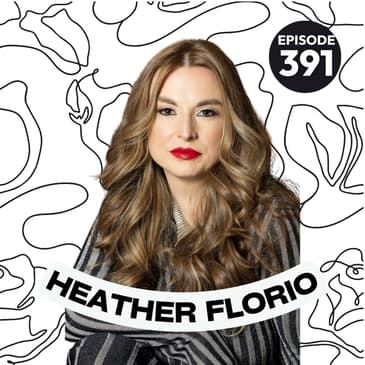
In this episode of the Optimal Body Podcast, pelvic health takes center stage as hosts Doc Jen and Doctor Dom—both doctors of physical therapy and passionate about health optimization—are joined by Heather Florio, a women’s health advocate. They discuss their trip to Peru in August 2024, aimed at educating women about pelvic and sexual health, with a strong focus on pelvic health and functional independence. Despite challenges like lost luggage and cultural barriers, they pivoted to educate local clinicians, sharing essential knowledge on pelvic floor health, exercise, and the mind-body connection. The conversation highlights global disparities in women’s health education, especially regarding pelvic health, and the importance of cultural sensitivity. The episode underscores the need for ongoing advocacy, health tips, and education to empower women worldwide.
LMNT Electrolytes: Free Gift with Purchase!
Stay hydrated and energized with LMNT electrolytes—sodium, potassium, and magnesium for brain and body. It’s our favorite micro nutrition hack to get those essential minerals in! Get a free gift with every purchase and try new flavors! Get your Free Gift now!
Release and Recovery Program Discount:
Start feeling better with our Release and Recovery Course! Connect with your body, reduce stress, and move with ease. Get a special discount using code OPTIMAL10 at checkout!
Heather's Resources and Links:
We think you’ll love:
What you will learn in this Episode:
1:12 Trip to Peru Overview
3:21 Mission and Goals for Peru
6:00 Heather recounts educating clinicians in Turkey on pelvic and sexual health, highlighting its impact.
8:16 The original aim was to teach indigenous women in Peru about sexual health, which did not materialize.
10:32 Reflections on the stark contrast between...
Full Show Notes and resources here: https://jen.health/podcast/391
Hosted by Simplecast, an AdsWizz company. See pcm.adswizz.com for information about our collection and use of personal data for advertising.
[00:00:05] Welcome to the Optimal Body Podcast. I'm Dr. Jen. And I'm Dr. Dom. And we are doctors of physical therapy, bringing you the body tips and physical therapy pearls of wisdom to help you begin to understand your body, relieve your pains and restrictions, and answer your questions. Along with expert guests, our goal of the Optimal Body Podcast is really to help you discover what optimal means within your own body. Let's dive in.
[00:00:28] I'm excited for this conversation because we talked with Heather about our trip to Peru that we took in August of 2024, what our intentions were with going there and what actually ended up happening. Because the intention that we went with wasn't actually what we were able to do. And so we're going to discuss why that was and what happened.
[00:00:52] And it's just, it's a crazy story, but it opens up a lot about the disparities across the globe when it comes to pelvic and sexual health. So we're going to talk a lot about that. Now, Heather Florio is the second generation owner of Desert Harvest and has been an integral part of its operation since 1993.
[00:01:11] After attending the University of Denver to study leadership and organization management, Heather took on various roles in the entertainment industry, managing venues and coordinating private events for musicians worldwide.
[00:01:24] And in 2012, with the retirement of her parents, Heather took over as CEO of Desert Harvest, growing the company by over a thousand percent and bringing her management and operation skills and her passion for helping and advocating and educating with her vast knowledge of women's health issues. Heather was named one of the top 50 women in wellness by Authority Magazine in 2021 and was featured in Forbes Magazine in 2022 as a top woman in business.
[00:01:52] When not at the helm of Desert Harvest, Heather enjoys spending time with her husband, two sons, and three dogs, and what it seems like traveling the world and educating. So I'm excited for you to listen to this one. Heather, we are so grateful to have you back on the podcast and talking about our experience in Peru and beyond. I mean, I know we're going to go beyond our personal experience, but really what this means in women's health and where we can go and help.
[00:02:20] So thank you for being here and thank you for an incredible trip in Peru. I wish that you were there with us throughout the entire process, but we'll talk about why that wasn't able to happen. Yeah, I always said thanks for having me again. I always love talking to you both. People ask me to start to describe the experiences in Peru, and it's difficult to know where to start.
[00:02:49] And I'm glad that we have this outlet and this voice to hopefully bring this information further out into the world and bring light to the impacts that women are having in Peru and other similar South American countries. So I guess a good place to start would just be talking about what the mission was and you and Desert Harvest doing trips like this.
[00:03:15] Like, what is the mission and what we and you were trying to accomplish in Peru? I think for me, it really bore out of we had just I think it was November 2022 and we had just finished Turkey and we were coming out of Turkey. And I was saying, you know, I really want to take this further. I want to do more countries.
[00:03:39] I was so energized by the energy and and the ability to amplify voices for women and educate them and provide the education and the resources that have that trickle down effect. And, you know, I do it so much here in the United States, but to take it abroad, you get an even greater sense and a greater scope of what's happening around the world. And it energizes you to want to do more.
[00:04:06] So I think coming off of Turkey really energized me. I had a friend who I'd known from childhood who worked in a remote clinic outside Kuzco. And we talked and she said, you should bring this here. And and I was like, yeah, we should.
[00:04:24] And and then immediately I thought of you, too, because I'm like, we can you know, we we had such a great podcast and and and and the energy of what you bring to women around the world in educating them about their bodies, how to take care of them, the exercises to do. The importance of of each movement.
[00:04:48] And and I knew immediately that this was going to be the perfect fit of of this journey of education of women. Taking a quick pause from the interview to talk about hydration and how important it is to stay hydrated, not just by drinking water, but by replacing those electrolytes that we're losing every single day without even noticing it. That's why Jen and I drink element electrolyte mixes.
[00:05:12] They help replace the sodium, potassium and magnesium that our body absolutely needs on a cellular level. These electrolytes help us with so many of our physiologic processes. They can help with things like headaches, brain fog, fatigue, bowel movements, sleep and so much more. That's why we recommend everybody try out element. It'll keep you coming back to your bottle of water throughout the day because they taste so great and they get us those essential electrolytes. Head down to the link in the show notes.
[00:05:41] It's just drink element dot com backslash optimal. That's drink element spelled out like L M N T dot com backslash optimal. And with every order, you get a free sample pack so you can try all their flavors and you'll know which one you want when you inevitably come back to get more. All right. Let's get back to the interview. Can you talk a little bit about what you did in Turkey and what you were hoping to bring to Peru?
[00:06:05] Because if people don't know the background of like, what is it exactly that you're bringing and what is it that you wanted to create in this experience? Yeah. So in Turkey, we were really educating clinicians there. We wanted to really have this trickle down effect.
[00:06:18] So we I brought a couple of other clinicians and we taught 41 clinicians on pelvic and sexual health that then has had a massive trickle down effect in Turkey as a result of of educating these 41 clinicians that are energized to take this information all over different parts of Turkey. It was amazing to hear, you know, they're like, I've never we we had actual live labs in that one.
[00:06:48] And I can always remember one of them saying, I've never touched another woman's vagina besides my own. And I'm like sitting here going, you're a clinician. I'm like, and it amazed me because then she's all like, now I'm going to go help my mother. And because I know how to feel the musculature, what to feel for. And we were they they were so energized and so enthusiastic about spreading this information.
[00:07:13] We had one man in the course, which he, you know, is is part of an LGBTQ community that is very suppressed in in Turkey. And although legal, not acceptable culturally within their their environment. So as a result, you know, safety is an issue for him.
[00:07:39] But being able to bring his knowledge to his community was a was just another gift in and of itself. And then so the the figurative idea in Peru was just a little bit different instead of the clinicians. Let's get to the indigenous women, the women that are most affected by sexual violence in in Peru.
[00:08:00] Peru, the ones that, you know, birth the most amount of babies are going to have, you know, this greater impact on their bodies and and understanding how to take care of it all while living in these type of environments. And I think that that was the initial goal in going to Peru, as we know that that didn't end up that way. But but that was the goal. It kind of turned into a different trip.
[00:08:28] You were unable to teach alongside me, which was quite a bummer because of the information you were going to bring was so different than what I was teaching. And then we didn't get the opportunity to teach to the indigenous women. I ended up just teaching to the clinicians, which ended up being OK. You know, bachelor level clinicians, they're not as broad of an understanding of the body.
[00:08:50] So being able to give them so much more education on the external power of pelvic health and positioning and breath and movement and how that all works together was so impactful. However, the like you said, what we initially went to do in Peru and help and teach directly to indigenous women didn't get to happen. So can we talk about that story? Yes. Yes. It all kind of started with lost luggage, actually.
[00:09:22] We connected through Atlanta and then we're supposed to go from Lima and Lima to Cusco. And our luggage was lost in Atlanta and left there. And of course, you know, you hear from the airline and they're like, we'll get it delivered to you within 24 hours. You'll have it soon. And as you know, you know, we we spent the whole next day. This is kind of our free day before we started teaching in which we got to go to Machu Picchu.
[00:09:52] Beautiful experience and and can't say enough amazing things about that experience. But at the same time, it was also very eye opening because, you know, we're on this luxury train heading up to Machu Picchu. And we're surrounded by poverty beyond anything, you know, beyond what you'd see here in the United States and some of our most slum areas.
[00:10:20] And and to see the little kids and little girls and boys just hanging out by the train, waving. And, you know, as a mother, I'd have a heart attack if my kid was that close to a train. And and so to to be on this luxury train, have this experience of of going up to Machu Picchu. And and then when we came back down, that's I guess what do we say when all hell broke loose?
[00:10:46] Because I get back into service to find out that that my luggage that I have been told that I have to come to Lima immediately. And it turned out so we had brought luggage that had included a variety of pelvic health tools, amazing companies like ONA, SoulSource, Dilators.
[00:11:13] You know, all these companies had donated amazing products that clinicians could use as tools in these remote clinics. And and so we were really excited to bring this. We had done our research, had assumed that everything was perfectly OK to bring at that point. And then we find out later and I won't get too ahead in the stories that it wasn't.
[00:11:41] And so immediately went back to our hotel to be able to try to check out, figure out how we were going to get to Lima, everything else like that. And found even more resistance, even at our hotel. There was absolutely no assistance in the area because it was like, oh, you're here to teach what?
[00:12:06] But, you know, the minute we mentioned anything related to what we were doing there, it became very apparent not to because any mention of of the teaching that we were doing or anything like that was was met pretty negatively. Because, of course, it's a male dominated culture. We're mostly dealing with males in the hotel.
[00:12:29] And as a result, you know, I even I even at the hotel was actually almost arrested before I even left for Lima. I was trying to check out of the hotel there. This was a Marriott property in Cusco.
[00:12:51] And we had I'd never had a problem where I had not checked out early of a Marriott hotel and and had some kind of assistance with that checkout. And this was extenuating circumstances beyond my control. And I had already provided all my financial information, had everything they needed. They had no reason to want more from me. But they did.
[00:13:16] And the manager of the hotel tried to have me arrested for trying to leave to go to the airport without signing a paper, agreeing to everything that I had already agreed to and check in. And luckily, my husband was there and he became my lifesaver in this entire situation because he kind of he immediately stepped in between because the guy tried lunch for me and and and and grab for me.
[00:13:44] And that was an experience of that was kind of the starting experience. And then we get to Lima and things kind of unravel a little further from there. And I know at the same time, you know, everybody else is trying to figure out you, you and Dom. And we're trying to figure out the new game plan. There were safety concerns at that point. You had you know, you had your entire family with you. It wasn't just the two of you.
[00:14:12] And so safety be gone goes even beyond the two of you. It goes beyond your child, your mother, you know, and and. And it became very apparent at that moment that how do we proceed forward with this? And I'm sure you have some thoughts on that. It was just all like we didn't know exactly why were they holding your back, right? Why were they holding all of the tools? Were they thinking that you were going to come here and try to sell it?
[00:14:40] Were they thinking that you were going to come and open your own clinic illegally? Like we didn't exactly know at the time. And so that's why there was that safety concern of, okay, if the clinic doesn't want to be involved with anything that's going on here at this moment, what is it that we feel safe and comfortable now educating on and doing? And are they going to come in to the clinic while we're educating? And, you know, how far is this going to go?
[00:15:09] I think that's really where our concern was starting to become. Yeah. And there was that whole component too where with the clinic that you guys were educating at and the person we were working with starting to say like, oh, no, we don't want you to use the clinic's name in any of this. And, you know, then we understand it's more so because they just didn't really want to be on the government's radar.
[00:15:31] And that's understandable, you know, especially if it had to do something with pelvic and sexual health for women. Understanding how things unraveled, that starts to make more sense why they might not want to be involved in that conversation. So, yeah, I think that that ended up making the decision that we did and having Jen just educate their clinicians at their clinic. And I think that ended up being the best decision overall.
[00:16:01] But I didn't know that you were almost arrested. I'm still kind of reeling over that part of the story. Like we hadn't heard that. Yeah, yeah. That was a fun little tidbit that I just kind of like, I mean, at that point, it was so overwhelmingly insane. And I didn't know whether I was coming or going, if I was going to be in prison, like where I was going to be at that point. And luckily, you two were not, you know, on our reservation.
[00:16:30] So they didn't know about you. They didn't know. And I think that that was kind of a welcome thing in this sense, because you both were able to stay. And you mentioned, you know, the clinic. And I think that it's definitely a concern for them and the work that they do there. You know, we had that phone call before we even went to Peru, where we had to start toning down the sexual component, because the women were afraid of coming.
[00:16:59] And there was a whole cultural issue of being afraid of that topic in any way, shape or form, even though, you know, they experienced so much sexual violence. They experienced so much, you know, pregnancy and on a regular basis and from a very young age in a lot of cases. And so I think that they wanted the knowledge,
[00:17:24] but I think the knowledge at the same time was also a little fearful, even for them, it sounded like. Yeah, because culturally, that's not, it's not discussed. They said with gynecologists, it's very taboo still. It's, they don't refer out. There's no, there's no real help and education. And I think that is the hardest and saddest part, you know, within a lot of this,
[00:17:48] is that resistance, is that fear, is that being associated with someone who's teaching some of this stuff or a clinic that might be promoting some of this stuff that hasn't, that's not part of your culture, like how are you supposed to respond? We talk about women's health and pelvic health in America as an underserved community
[00:18:11] and just getting this little tidbit of what it looks like for somebody in a rural community outside of Cusco or suburban community outside of Cusco is pretty eye-opening, how it seems like pelvic health may have looked in America decades and decades ago. Yeah. So that's, that was pretty wild. Well, and do we have a full understanding of why your bag couldn't come into Peru
[00:18:40] with all of the dilators and the pelvic wands and, you know, all of the amazing, useful things? Why couldn't that come into Peru? So the next day I finally was able to get a flight to Peru, to Lima. Um, and, and, um, when I reached there, I had to search high and low for someone to help us in some way or shape or form.
[00:19:09] Um, you know, we, we were at the Latam counter, we were at the Delta counter, we were at the, you know, like, where are we supposed to go with this? And then we ultimately find out where we are supposed to be in customs only to find out that they won't talk to me because I'm a woman. And, and so they, again, I talk about Tommy, my husband, like, thank goodness.
[00:19:34] Like they took him and I literally had to sit out in a waiting area and he did not reemerge and get out of there until 3am. And that ended up being, and so I'm sitting there going, okay, are we arrested? Like what's going on? No information, no, no clue what's going on. I later find out that my, my husband, thank goodness he's been hanging out with me while
[00:20:04] I've been doing this for as long as I've been doing this because they thought they were sex toys. And that is the entire reason. So you're talking pelvic wands, lubricants, other things like that, that are used in dilators, that are used in pelvic floor physical therapy, being told that they're sex toys. And my husband had to spend the entirety of that time with them.
[00:20:31] And they went, interestingly enough, they brought a woman in originally to talk to him and she got scared and, and they had to bring a man in and it was, it's to talk to a man. And he ended up having to educate them, like literally bringing up charts and showing this is pelvic floor physical therapy. This is for women and this is for men and explaining how these tools work, showing them
[00:21:00] videos, like, and, and then they got to the second, well, sex lube, that's only for making a woman wet. It serves absolutely no purpose other than that. Why would you bring this then? Tell me it's for something outside sex and be like, actually, yes, it is utilized for these tools right here that you're seeing. It's utilized for, for vaginal dryness, for a variety of different conditions, post-menopausal
[00:21:25] dryness, you know, any type of atrophy and, and literally had to educate them on how these would be beneficial to women and to men, because he was speaking to a man. He had to get a man to understand how these would also be utilized for a man's body. Um, and as a result, thank goodness, my husband was taught them out of arresting us first and
[00:21:54] then out of finding us $10,000. And, and then we were able to go to the hotel at 3am. We literally were allowed to, we had to leave the sex toys at customs at the airport. And then we were able to go to a hotel for the night, come back the next day to take our flight home.
[00:22:19] And, and then we were able, we had to literally go to customs, check in, get the other suitcase. They escorted us to the Delta counter, made sure our luggage got on, escorted us to the plane, made sure we got on the plane and that we left the country. Um, and who knows if I'm ever allowed to go back, not that I necessarily want to, but maybe
[00:22:46] figuring out other channels in which we can help women in there because I think it's definitely needed. What a wild, crazy experience that you two had to go to. I mean, it, it makes my heart so sad to know what you guys had to experience in there. I'm so grateful you guys were both not arrested. You didn't have to pay it and crazy fine, but it's unfortunate. You, you know, you weren't able to stay, donate the tools and, and help in the way that we really wanted to.
[00:23:16] Yeah. Coming in with the intentions that you're coming in with, but then having that experience and being shipped out, shipped back to the country with your heathen sex toys. It's just like, it's such a dichotomy of like the intention versus the reality of what the experience brought. Why do you think it was so different in Turkey? You know, I, I've, I've pondered that. I think, you know, I, it's, it's interesting.
[00:23:40] You know, you talk about the dichotomy and I'm like, I felt safer in a Muslim country where we traditionally wouldn't think that that would necessarily be a safe place for a woman than a South American Catholic dominated country. I felt safer in that Muslim country. You know, we went through moments where, you know, there's an amazing clinician named Alamee Bayouk and she has really helped create the pelvic floor physical therapy in the program.
[00:24:09] She's the one that invited us there. She's the one that is really, you know, burgeoning this movement. And Alamee at one point had, had said, let's go do a pub talk. And I'm like, you want us to go sit with microphones and answer sexual health questions in a packed bar in Turkey. Hmm. I'm like, but we did it. And it was actually pretty amazing. Like we were getting hit.
[00:24:39] There were couples at three, you know, single men, all different kinds of people asking us their sexual health questions. And we're just sitting there in the corner with microphones in a chair in literally a packed room. And I'm like, this is amazing. This is an amazing experience. This is a way to get information out, energize. And I think it really is the youth in Turkey that are, you know, energizing a movement of change
[00:25:07] in, in which you can both adhere to your traditions and your culture and your religion and still educate and have experiences and, and understand your health and, and take it from two different places. So I think that, that in Turkey, it was misconceptions, um, based on our, our own understanding of what we might think of when we think of going to Turkey.
[00:25:33] Um, and, and so it, it, I think that's why, whereas Peru is completely unexpected for me. You know, we had, we had done all of our due diligence. We had planned on this work. We, we thought everything was going to be fine. We'd set this up with a clinic and, you know, even, even now, you know, a month later, I'm still learning like things that I did not know.
[00:26:00] I, I, I spoke with another clinician who, um, had lived there, lives there still to this day has been there for 17 years. And, and when she was ready to give, um, birth herself over there as a, uh, you know, um, an American, she brought over her own doula and her own, they got kicked out. Yes. Like from the country or from the birthing set?
[00:26:29] From Peru, because they said, you're not allowed to do that type of work here. And, you know, she wanted to have this amazing experience of giving birth in Peru and in her second home. And, and, and she was denied that opportunity, um, you know, based on, on cultural barriers that she is a woman who had been living there for 17 years, didn't even know existed.
[00:26:52] I feel like in a sense, um, we as Americans are marketed, uh, a bubble of, of what Peru is. Come to Machu Picchu, come experience this, come experience Pachimama, do a plant medicine journey, you know, have these experiences. And I think that those, those journeys, those experiences that people have there are really
[00:27:18] a bubble outside of what is culturally happening around them and happening to women around them. And so I guess that, cause I was even shocked after Jen did the talk and, you know, went through the slideshow and it was with the clinicians at this clinic. And something that I found a little bit eyeopening was talking to, um, Julia, who was our contact at the clinic.
[00:27:45] After that, we went out to a dinner with her a couple of days later. And she even said that she thinks it was best the way we did it with the clinicians at the clinic, both because she thinks teaching them will have, you know, the greatest reach down the road. But also she just said some of the slides and the things that were in the slideshow, she thought would have made local women very uncomfortable to the point where they would have not appreciated the session.
[00:28:15] And they wouldn't have stayed the whole time. They may have left at lunch or they, or she said they, they never would have come back to our clinic again because we would have been teaching about sex and stuff. And, and I thought that was even just eyeopening cause she talked to some of the clinicians who were locals after the session and, and asked them like, what did you think about some of the images? What did you think about some of the slides that were more, you know, sexually health based or, you know, showed diagrams.
[00:28:42] And even those clinicians said, I, I understand the need for it, but it did still make me uncomfortable. And these are clinicians who get the gap in pelvic and women's health and understand the need for it, but they are still so uncomfortable. And I guess this kind of leads me into my next question is like, so how, like how do, and is that the responsibility of people to come in and try and move the needle for pelvic and
[00:29:12] women's health in, you know, an area like this in Peru? I guess it's just like, how can we be of help in a culture like that? And is it the responsibility of people to come in and try to, to help with that? How can we do that while still being culturally sensitive, you know? And that's a really good question. I mean, you know, in a sense, you want to maintain that, that cultural sensitivity around
[00:29:40] the, the content that they're used to seeing, you know, that's like us tailoring. And it's really interesting to hear you say that, because I feel like we toned down the heck out of that. Totally. Totally. And I mean, I feel like we just had anatomy pictures to show them what their anatomy was, what to look for if you were looking for particular conditions so that if you don't, you know, and
[00:30:06] really taking it from a, you know, pregnancy, maternal care kind of aspect, and this is what could happen and this is what you should look for. And, and so it's very interesting to hear you say that because I, I do think that in one sense, you know, you, you going over there, we have to respect their culture. This is their culture. We don't need to bring our American ways in that sense to that.
[00:30:35] But at the same time, women are suffering there and that to me is not okay. And that's where I feel like the action needs to occur. Because when you say that, that you, when you look at statistics and you see that over 60 women, 60% of women, and this is just based on actual reporting. Imagine the ones that don't report that you have over 60% of women experiencing sexual violence in Peru.
[00:31:04] That is a problem. That is a safety issue. I just brought up a statistic. I was just looking and reading something recently, and this was a 2023 statistic. But just to give you an idea, just in January and February of 2023, and this is just reported, there was 21,194 cases of sexual violence reported in two months.
[00:31:31] That doesn't even account for the fact that there's all the unreported incidences that occur. You know, we heard very early on, even before we came, that women don't have a lot of say over their bodies. That when a man wants sex, he takes it. He stumbles home drunk in a lot of cases and takes what he wants within their culture.
[00:32:00] That is not okay in any way, shape, or form. And education is the key to giving women autonomy over their bodies. If they don't know about their bodies, if they don't know what is right or wrong and what can be a potential livelihood for them, then yeah, I feel like that we're doing a disservice to women.
[00:32:28] And that this is just one of many South American countries that are experiencing sexual violence at high and rapid rates. Peru is just one of the highest. But there is definitely other very similar countries. So this isn't just an isolated problem to Peru. And educating women is the key. What you both did with the clinicians, that will have a trickle-down effect.
[00:32:56] That, like you had said, that will make a difference because those women will go there and they will get the education. Maybe a little abbreviated than what we did. Yeah. But they'll get it. I think that's the hard part, you know. It's like, well, we're not going to be able to come in and stop what's happening necessarily, right, in terms of the sexual violence and what culturally is happening just within that.
[00:33:26] So what is it that you're hoping women do learn about their bodies? And, you know, because this is needed everywhere. So what is it that you are hoping, okay, you might run into this, you know, this violence or you might be sexually assaulted. What is it that women need to be paying attention to? I think that one of the biggest things is there are amazing organizations doing amazing work.
[00:33:53] There is the International, what is it, the International Court for Truth, Justice, and Dignity. There is Amazon Watch, which is doing a lot for indigenous women. And amazingly, you're seeing little steps. You're seeing a lot of indigenous cultures. The women are stepping up.
[00:34:18] They're taking charge in one of the indigenous cultures called the Chopra Nation. They just elected this year their first woman president of that organization. She went and took, and you know how she was able to do that? She was able to take a leadership course. And that leadership course, that education allowed her to become a voice within her community.
[00:34:43] And now the other women, and they're trying to spread it to other indigenous communities saying, empowering women with information. Because if leading positions of power are going to be the places which affect change. And being able to have those voices, even within their own indigenous communities, to say that we are women, we deserve autonomy over our bodies to say what can and cannot happen
[00:35:13] to our bodies. And I think part of that is understanding the function of their bodies, really understanding how to care. Even here in the United States, I could probably go walk on the street, show, you know, even Googling. I can Google volvular anatomy, and I could probably get 10 different models on what volvular anatomy looks like.
[00:35:38] I could go on the street, and I bet you I could probably get at least 10 people that think that we pee out of our vagina. So I think that education and understanding the anatomy of our bodies, how to care for our bodies, what to look for within our bodies, if they are not functioning correctly, to know. I think that that's empowerment in and of itself for women.
[00:36:08] And then being able to, you know, organizations like that that are providing leadership skills to women so that they can be the voices within their community to affect change. It'll be a little bit at a time, just like it's been here in the United States. I mean, we didn't start including women in medical studies until 1993. That's not that long ago.
[00:36:31] And we still have so much catching up to do for women's health care in our country, let alone, you know, the, you know, autonomy over our reproductive rights, everything else like that. Like we, we have a way in which health care is even here being reversed and attacked and, and, and, and taken back. So I think in a sense, we, we still have work to do here in the United States.
[00:37:01] They have a lot of work to do in Peru. But it's going to be those incremental changes. We have three steps forward, two steps back, but we made one step forward. And, and that's what we have to look at is the positives that are propelling us forward, the innovations, the ideas, the people, the things that people are creating for women's
[00:37:23] health, for femtech to advance our, our deficit are huge in, within our society right now. And so I think it's those, those incremental changes that will really make a difference. And I mean, you're so right in, in just having education and knowledge, because if one person has education and knowledge on their body, what they can then teach women in their family,
[00:37:49] women who come after them, and then how that starts to trickle out and what people are really looking for and caring for within their own body. It takes that, that knowledge, it takes that education to really understand that within yourself to then be able to, and, and just like you said, we don't have that knowledge widely available enough here, even though we feel like we do, right?
[00:38:15] If you're in the bubble of, of learning and educating, you feel like everyone knows this. And there's so many public health therapists and everyone can help you. But if you're not in that, you have no idea. And there, you know, doctors aren't always prescribing it and recommending it. And so it's still something that we're battling here in the States, let alone what other people have to go through in other cultures, which is why I do appreciate Desert Harvest and the
[00:38:43] work that you're doing and how you're collaborating with other clinicians to try to get more education and awareness out there. Like, even if it just starts as awareness, even if someone just has their mind open a little bit and has that minor education, what can that do for the people around them? And I think the point of having those people in leadership, and like you said, when you do
[00:39:08] it in the masses, that's when one person takes a leadership course or is empowered to try and go further and they are empowered and impassioned to go further and find themselves in a local space of leadership. And there are the first person to say the word vagina on stage in their region. And, you know, so I think that that's a great approach and idea. Like you said, that a lot of these organizations are trying to attack from that angle of, okay,
[00:39:38] how can we just empower and give as many women the tools as possible to potentially get into the spaces of leadership to get into the room where it happens, that real change can actually happen in these communities. And I know that there are similar approaches taken here in the States too. And I think until people feel comfortable in an area going into a pub and doing a pub talk
[00:40:04] on sexual health and vaginal health, we still have work to do. And same with Turkey. I'm sure there's lots of work to be done in there. And like you said, maybe it is certain populations or the younger generation that just has that interest. But yeah, I think that there's a lot of great approaches being taken, but a lot of work to be done. There is. There really is. I mean, even here in the United States, we're really trying to empower from the ground
[00:40:34] floor up. We support this one project where for our youth, one is called Raising Sexually Healthy Children. And this is from birth to nine years and how to take away the shame, let exploration happen. And at the same time, because it isn't sex. We know through scientific research that from zero to nine years, there's no thought of sex as sex as we think about it.
[00:41:03] It's an exploration of body and feelings and understanding how your body functions. And we initially create shame around that. How many times have we seen in movies or probably happened to most people, they were in the bathtub as a little kid. You started touching yourself and they're like, no, don't do that. And I mean, that initial shame within that instead of creating an education.
[00:41:28] So there's this project going on where they're educating the parents to help raise sexually healthy children. There's another program that we support called the Youth Sexpert Program. And this is an amazing gal in Brooklyn who empowered by taking the Netflix show, Sex Education, using that as her
[00:41:50] inspiration while she was in high school to go, okay, if our education, you know, department of U.S. department of education isn't going to change our sexual health curriculum, I'm going to figure out how to do it.
[00:42:05] So she literally reached out to all different kinds of sexual health clinicians and had them create a curriculum for her that she now, kids all over the United States with their parents' permission, can take her course and become the sex educators for their high schools to empower and educate their peers.
[00:42:24] Because I'll tell you right now, there is a day that I'm not walking somewhere or I'm not talking or something that someone doesn't have a sexual health question, male or female, that they don't want to ask, that they want to ask me, that they've never felt comfortable asking before. But because I'm so open about it and open about the information, they feel comfortable asking. Mm-hmm. And that's huge.
[00:42:49] And like, even with physical therapy, we still are climbing, you know, a battle of people understanding what physical therapy can really do and how it can really help. Because you, I mean, I think it was just a couple years ago where I saw in Dr. Oz, they had a physical therapist who was showing how to, how we use electrical stimulation and ultrasound to help.
[00:43:11] And it's like, that is the last thing that we would, you know, resort to, to really help someone through their journey of pain and understanding within their body. And then let alone now we're coming into pelvic floor rehab where it's not just someone being on their back and feeling the muscles, but how does that interact with the entire body and movement? And how do we feel that in standing and running?
[00:43:33] And, you know, there's, there's so much that we're still climbing just within people understanding what physical therapy can really do and impact and, and how that complements everything that you do within your understanding of sexual health and hygiene.
[00:43:53] And, and the understanding of how we take care of our bodies in order to support what we're doing and how we're moving with our pelvic floor and throughout our entire body. So, I just, I mean, there's quite the battle. Yeah. And what you were just talking about with raising sexually healthy children, I always, it always blows my mind how there are so many people who are against sex education, especially at such young years.
[00:44:23] And I find that very, very problematic for many different reasons. One, most of those kids, by the time they're eight or nine years old, have some sort of access to unsupervised technology where they can search and find whatever they want and have access to the depth of the internet, which I think is infinitely more dangerous than having a curated curriculum that can actually teach, teach real things to children.
[00:44:53] And as it is, we are seeing younger and younger sexual activity in children, unprotected sexual activity in children. So there's, there's all sorts of problems when people do not want to give well thought through sexual education to kids. And I just think it helps perpetuate the problems that we are currently facing. Oh, I agree 100%.
[00:45:20] I think that, that we, we say education is empowerment for, for men and for women in the United States. And we don't provide the foundation to that education. You, you, you, because you have, have, you know, raised your child to not understand it in an instance, if a parent has chosen not to educate because they, that topic is just off, off the table for them. That kid gets to be in high school.
[00:45:49] There's going to be peer pressure. There's going to be unsafe situations and empowerment is the key to their success because you can't say abstinence is key. Abstinence based education, because that's not necessarily going to work when your child gets to high school and has a completely different environment and raging hormones.
[00:46:13] And, and, and as a result, if you don't empower them with that knowledge, then you are creating an unsafe environment for your child. And, and even early on by starting that shame, and then you get to high school. Like you, you, you don't know whether you're coming or going when it comes to sex and things are being thrown at you by all of your peers and all of these ideas.
[00:46:37] And you may go down a very unsafe path for, for, for your health, for your body, for a variety of reasons and put yourself in situations, which if you had been empowered, you would not be there. So how are you kind of going to move forward taking this education in other countries? Like, are you unable to bring tools? Do you not feel safe to bring donations now?
[00:47:05] How are you approaching it as you move forward? I would say I've never been good with the word no. I'm sure my own mother would to attest to that. So I don't give up. I will figure out a way around. We'll figure out other things that we can do, um, different ways in which we can teach. And hopefully, you know, we, we have talked about doing a course and I think that would be amazing.
[00:47:32] That one might be, um, stateside somewhere as we figure out the logistical details. But I mean, I, I actually am just booking something for next year in Egypt, which will, that I've been asked to do, um, um, is something in, in Portugal that I've been asked to do. So, you know, there, there, those opportunities, if someone asks me and they're there and they make sense to, to empower.
[00:48:01] Now, obviously I probably won't be stepping foot for you again anytime soon, but there are amazing people on the ground. And if I can figure out how to empower them and provide that information, just, just, just leaving our PowerPoint alone is an empowerment of information that maybe over time, they will feel more and more comfortable to be able to spread that information too, because it's, it's in, in their language.
[00:48:27] And, and, and it's a resource, a resource tool, um, that, that hopefully will be utilized again and again. And so just, just sending information to the right sources and making sure it gets in the right hands can make a difference without even being boots on the ground. Yeah, I agree. No, I think that, I mean, this is a topic that, like we've mentioned needs more airtime in the States.
[00:48:54] And clearly there are all sorts of areas around the world that are at all different places with, you know, the advancement of women's health and pelvic health in general and sexual health.
[00:49:06] Um, and so we just infinitely appreciate the work that you do, that Desert Harvest does, that, um, you included Jen and myself and our family, um, in on, on one of the trips and gave us a taste of what it feels like to be more a part of that, of that battle, trying to empower individuals, trying to empower clinicians and people, um, to advance pelvic health around the world. So appreciate what you're doing and what we know you'll continue to do.
[00:49:35] And I'm sure we'll continue to have more conversations about it in the future. Agreed. Agreed. Change the world. Thank you so much, Heather. Thanks for having me. This is wonderful. Thanks for joining us for another interview. And we absolutely love chatting with Heather and love bringing more light to this topic. It is something that's not talked about enough.
[00:49:57] So please consider passing this along to somebody you might know that you don't feel is being served in the areas of women or pelvic health and just get it out there to continue to spread this message. Cause as you saw, there's a long ways that we need to go both in our country and globally. During the month of January, we are focusing in our gen health community on release and recovery down, regulating that system, bringing more balance to our body. Something that not everyone is always focused on, especially to start a busy new year.
[00:50:26] So you can go find the link to that down in the show notes. It's just gen.health backslash grateful. And you can get an extra bonus discount if you use code optimal 10 at checkout. If you haven't yet, please consider leaving a rating and review of this podcast on your favorite podcasting platform. And of course, we'll see you next time on the optimal body podcast.