
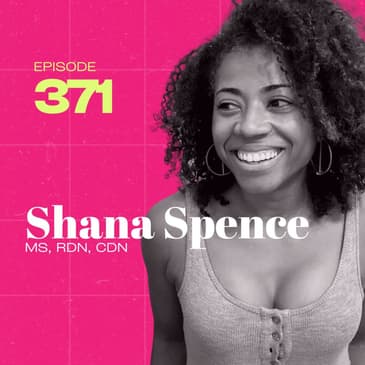
In this episode of the Optimal Body Podcast, hosts Doc Jen and Doctor Dom, both doctors of physical therapy, are joined by Shana Spence, a registered dietitian nutritionist. Shana discusses the pervasive influence of diet culture and the importance of a balanced approach to nutrition. She emphasizes the need to move away from restrictive diets and instead focus on nourishing the body with a variety of foods, including processed options when necessary. The conversation also highlights the significance of consistent eating, stress management, and listening to one's body. Shana's debut book, "Live Nourished," encourages readers to find joy and balance in their nutritional journey.
Needed Discount:
Although the journey of pregnancy is so personal and individual, Jen's number one question goes back to what she did to help her conceive and maintain the pregnancy. While there were a myriad of factors that contributed, she reliably counted on Needed supplements that supported her journey! Men need support as well via sperm support and men multivitamins. while women are supported by egg quality supplementation, CoQ10, prenatal Omega 3, iron, and choline in tablet or powder form. Used by over 4000 health professionals, Needed is available to support pregnancy, fertility, and postpartum, as well as women's and men's health in general. Check out needed if you know there's a gap in your nutrition via code OPTIMAL for 20% off.
VivoBarefoot Discount:
We cannot talk about back issues without talking about restrictions in feet and ankles. Improve your foot and ankle health and therefore everything up the chain by wearing VivoBareoot shoes to improve the mobility and strength in your toes, feet, and ankles. There’s one for every occasion, including weddings, hiking, a grocery walk and casual wear, or shoes for your active lifestyle. Use code "OPTIMAL20" to get 20% off your VivoBarefoot Shoes!
**Code Change! The discount code is now OPTIMAL20 for 20% off.
**Vivo offers a 100-Day trial period. If you are not completely satisfied, you can send the shoes back and get a refund.
Jen Health Platform:
With 12 different plans, access to over 200 videos on mobility, strength, core and muscle activations plus a monthly recorded educational webinar, Jen Health is your daily app and platform to relieve pain and improve how you feel with movement.
Items mentioned:
Thank you so much for checking out this episode of The Optimal Body Podcast. If you haven’t done so already, please take a minute to subscribe and leave a quick rating and review of the show!
We think you’ll love:
What You Will Learn in This Interview with Shana Spence:
01:44 - Introduction of Guest Shana Spence
03:22 - Understanding Diet Culture
08:05 - The Impact of Research Bias
09:13 - Health vs. Aesthetic
10:53 - Red Flags of Disordered Eating
11:47 - The Dangers of Skipping Meals
14:21 - Intermittent Fasting Discussion
18:39 - Yo-Yo Dieting Effects
19:57 - Processed Foods Discussion
28:29 - Social Determinants of Health
30:30 - Diet Culture and Guilt
31:23 - Healthy Weight Loss Strategies
34:11 - Mindset Shift in Nutrition
38:45 - Incorporating Movement into Daily Life
39:34 - The Role of Stress in Health
40:48 - Listening and Being Present with Patients
42:10 - Motivational Interviewing in Health
42:47 - Goals of the Book "Live Nourished"
To learn more about this episode and view full show notes, please visit the full website here: https://jen.health/podcast/371
Thank you so much for checking out this episode of The Optimal Body Podcast. If you haven’t done so already, please take a minute to subscribe and leave a quick rating and review of the show!
Hosted by Simplecast, an AdsWizz company. See pcm.adswizz.com for information about our collection and use of personal data for advertising.
[00:00:05] [SPEAKER_02]: Welcome to the Optimal Body Podcast.
[00:00:08] [SPEAKER_02]: I'm Dr. Jen.
[00:00:08] [SPEAKER_03]: And I'm Dr. Dom.
[00:00:09] [SPEAKER_03]: And we are doctors of physical therapy, bringing you the body tips and physical therapy pearls
[00:00:13] [SPEAKER_03]: of wisdom to help you begin to understand your body, relieve your pains and restrictions,
[00:00:18] [SPEAKER_03]: and answer your questions.
[00:00:19] [SPEAKER_02]: Along with expert guests, our goal of the Optimal Body Podcast is really to help you
[00:00:24] [SPEAKER_02]: discover what optimal means within your own body.
[00:00:27] [SPEAKER_02]: Let's dive in!
[00:00:29] [SPEAKER_04]: So before we hop into this interview, I need to give my little plug for foot
[00:00:33] [SPEAKER_04]: Vivo barefoot shoes have absolutely impacted my life and my health and my movement on a
[00:00:39] [SPEAKER_04]: daily basis.
[00:00:40] [SPEAKER_04]: I love how Vivo's are designed with the flat, thin and flexible sole so they will
[00:00:44] [SPEAKER_04]: help naturally gain toe mobility, mid-foot mobility and ankle mobility because they
[00:00:50] [SPEAKER_04]: have zero heel drop as well as naturally grow the strength of my foot, toes and
[00:00:56] [SPEAKER_04]: ankles just by wearing them every single day.
[00:00:58] [SPEAKER_04]: My second favorite thing about Vivo barefoot shoes is they have shoes for every single
[00:01:02] [SPEAKER_04]: type of occasion.
[00:01:03] [SPEAKER_04]: I'm usually the envy of every single wedding because while all the other guys are in
[00:01:08] [SPEAKER_04]: uncomfortable dress shoes, I'm wearing my Vivo's, able to move naturally, feel good,
[00:01:13] [SPEAKER_04]: not get any of those blisters and people are like, hey, what kind of shoes are
[00:01:17] [SPEAKER_04]: those?
[00:01:17] [SPEAKER_04]: Because those look a lot comfier than what I'm wearing and it doesn't stop there.
[00:01:21] [SPEAKER_04]: They have shoes for hiking, for swimming, they have sandals, they have workout shoes,
[00:01:25] [SPEAKER_04]: lifting shoes and everything else in between.
[00:01:28] [SPEAKER_04]: So if you want to start naturally improving your foot health, your foot strength, your
[00:01:32] [SPEAKER_04]: foot mobility, go down to the link in the show notes.
[00:01:34] [SPEAKER_04]: Make sure you use code T-O-B at checkout.
[00:01:37] [SPEAKER_04]: That's going to get you 15% off any of their regularly priced shoes.
[00:01:40] [SPEAKER_04]: They literally are a game changer.
[00:01:42] [SPEAKER_04]: Go check them out.
[00:01:44] [SPEAKER_02]: So excited for this next podcast with Shana Spencer's is an incredible conversation
[00:01:49] [SPEAKER_02]: with a registered dietitian nutritionist who's based in Brooklyn, New York.
[00:01:54] [SPEAKER_02]: She currently works in public health with the Department of Health and Mental Hygiene
[00:01:58] [SPEAKER_02]: doing community nutrition lessons and also runs her own company called the Nutrition
[00:02:02] [SPEAKER_02]: T. She describes herself as an all foods fit dietitian and creates a platform for
[00:02:08] [SPEAKER_02]: open discussion on nutrition and wellness topics that are inclusive, non-diet and
[00:02:12] [SPEAKER_02]: weight neutral, all with the intersectionality of social justice.
[00:02:16] [SPEAKER_02]: She also writes frequently for publications such as Self Shape Outside and Well and
[00:02:22] [SPEAKER_02]: Good magazines.
[00:02:23] [SPEAKER_02]: Now her debut book is out.
[00:02:26] [SPEAKER_02]: It is just released in August called Live Nourished.
[00:02:30] [SPEAKER_02]: We're going to have that linked up in the show notes.
[00:02:32] [SPEAKER_02]: Make peace with food, banish body shame and reclaim joy.
[00:02:37] [SPEAKER_02]: This is an incredible conversation.
[00:02:39] [SPEAKER_02]: She really goes into a lot that isn't just about diet.
[00:02:44] [SPEAKER_02]: And I think that is so incredibly important.
[00:02:46] [SPEAKER_02]: And I've asked a lot of important questions even as a mom now and what that looks like for me and my little.
[00:02:53] [SPEAKER_02]: So I hope that you enjoy this conversation.
[00:02:56] [SPEAKER_04]: Shana, thanks so much for coming to chat nutrition, food, diet a little bit with us today.
[00:03:01] [SPEAKER_04]: I'm really excited based on the content of yours I've seen online.
[00:03:05] [SPEAKER_04]: I think you're going to have just an amazing message and approach to how food works into the overall picture of health.
[00:03:12] [SPEAKER_00]: Oh, thank you for having me.
[00:03:13] [SPEAKER_02]: Now, I'm excited.
[00:03:15] [SPEAKER_02]: OK, so when people are hearing this, they get to actually receive live nourished within their hands.
[00:03:21] [SPEAKER_02]: So you guys can go.
[00:03:22] [SPEAKER_02]: We'll have that linked up in the show notes.
[00:03:24] [SPEAKER_02]: But what I what I'm interested in hearing about from you with it is that you go a lot into diet culture.
[00:03:32] [SPEAKER_02]: And I would love to understand your take on what like where diet culture came from, what that what that term really means,
[00:03:41] [SPEAKER_02]: because I think we've heard it thrown around social media quite a bit,
[00:03:44] [SPEAKER_02]: but getting a clear understanding and a picture of like kind of its history and where it came from and what it means could really help if you could help us with that.
[00:03:53] [SPEAKER_00]: Sure. Yeah, it's it's such a long stream or I should say a really long history.
[00:04:01] [SPEAKER_00]: But diet culture, it's you know, when we think about it today, we just think of a bunch of folks who are aspiring fitness.
[00:04:09] [SPEAKER_00]: Most people will call it health, but it's really more of an aesthetic, I think, in my opinion.
[00:04:15] [SPEAKER_00]: And it's really a very large industry when you think about it.
[00:04:20] [SPEAKER_00]: I think when I wrote the book, it was seventy two billion.
[00:04:23] [SPEAKER_00]: I think it's probably up now because it keeps you know, there will be more things added to it.
[00:04:29] [SPEAKER_00]: But I think that it's just a desire of fitness.
[00:04:33] [SPEAKER_00]: It's a desire based on what society tells us to look like.
[00:04:39] [SPEAKER_00]: And I think from history wise, if we go way back in time,
[00:04:44] [SPEAKER_00]: if we look at the start of, let's say, even the BMI,
[00:04:49] [SPEAKER_00]: you know, that was that was from unfortunately a eugenist who imagined that every man and of course,
[00:04:58] [SPEAKER_00]: that formula was only conducted on white men.
[00:05:01] [SPEAKER_00]: He had an idea of what the average man should look like.
[00:05:05] [SPEAKER_00]: And that was thin, that was lean, and that sort of carried throughout history.
[00:05:10] [SPEAKER_00]: And so with a bunch of mixtures of, you know, pills and lots of weight loss things happening,
[00:05:18] [SPEAKER_00]: we now have diet culture, which is worth seventy two billion dollars.
[00:05:22] [SPEAKER_00]: So it's a very large industry.
[00:05:25] [SPEAKER_00]: But that was like the brief history.
[00:05:28] [SPEAKER_02]: Interrupting this chat with Shanna real quick, which this is one of my favorite
[00:05:31] [SPEAKER_02]: conversations, so please stick around and listen.
[00:05:33] [SPEAKER_02]: I think what she said is vitally important.
[00:05:35] [SPEAKER_02]: What I also believe is vitally important is getting support, especially,
[00:05:41] [SPEAKER_02]: especially during the prenatal time.
[00:05:43] [SPEAKER_02]: Our body is demanding so much from us because we have this little parasite growing inside
[00:05:50] [SPEAKER_02]: that is taking a lot. And I had someone reach out like,
[00:05:53] [SPEAKER_02]: do you know of a prenatal that is super clean, that you would trust?
[00:05:57] [SPEAKER_02]: And I'm like, yeah, it's the prenatal that I'm taking myself.
[00:06:00] [SPEAKER_02]: Like, I wouldn't talk about a company and a brand unless I was using it myself.
[00:06:04] [SPEAKER_02]: And that's something you have to understand.
[00:06:06] [SPEAKER_02]: And I promise, promise you, I will never talk about something.
[00:06:09] [SPEAKER_02]: I'm not using myself and especially when it comes to pregnancy postpartum
[00:06:12] [SPEAKER_02]: or trying to conceive, this is the most important time in a woman's life.
[00:06:17] [SPEAKER_02]: And so this is what I'm going to be saying.
[00:06:19] [SPEAKER_02]: It's so vitally important.
[00:06:21] [SPEAKER_02]: You are understanding what you're putting in your body
[00:06:23] [SPEAKER_02]: and how you're supporting your body through this time.
[00:06:26] [SPEAKER_02]: And that's why I reached out to Needed.
[00:06:28] [SPEAKER_02]: This is something I actually saw myself.
[00:06:31] [SPEAKER_02]: I loved what they were doing because they go above and beyond.
[00:06:36] [SPEAKER_02]: Like Needed really has radically better nutrition products, education,
[00:06:42] [SPEAKER_02]: advocacy based in clinical research and practical validation.
[00:06:47] [SPEAKER_02]: Like I'm telling you, they are dosed at optimal, not just bare minimum
[00:06:51] [SPEAKER_02]: levels, but optimal levels that your body needs.
[00:06:54] [SPEAKER_02]: And they go above and beyond with third party testing,
[00:06:58] [SPEAKER_02]: testing every batch to ensure the safest product.
[00:07:00] [SPEAKER_02]: So you really are getting clean, exactly what you need,
[00:07:06] [SPEAKER_02]: exactly what can support your body through this really trying time.
[00:07:10] [SPEAKER_02]: This is your body's going through so much when you're trying to conceive
[00:07:14] [SPEAKER_02]: and when you're making a baby and when you're postpartum.
[00:07:17] [SPEAKER_02]: And this is why I trust Needed.
[00:07:18] [SPEAKER_02]: So if you haven't yet and you are in that space where you're maybe
[00:07:22] [SPEAKER_02]: trying to conceive or you're postpartum or you're just feeling
[00:07:26] [SPEAKER_02]: like there's something missing, like I cannot maintain my nutrition
[00:07:30] [SPEAKER_02]: at a level, maybe you're super stressed, you're working on something a lot
[00:07:34] [SPEAKER_02]: and you need just that extra support within your body.
[00:07:36] [SPEAKER_02]: This isn't just for prenatal. They have so much stuff.
[00:07:40] [SPEAKER_02]: I'm telling you, you should head over to thisisneeded.com
[00:07:44] [SPEAKER_02]: and use code optimal for 20% off of your first order.
[00:07:48] [SPEAKER_02]: That's T-H-I-S-I-S-N-E-E-D-E-D dot com and use code optimal.
[00:07:55] [SPEAKER_02]: You're going to get 20% off your first order to explore everything
[00:07:59] [SPEAKER_02]: that they have for men as well and support your body.
[00:08:03] [SPEAKER_02]: OK, let's hop back in.
[00:08:05] [SPEAKER_04]: Yeah, and you bring up an incredible point, which I think permeates
[00:08:09] [SPEAKER_04]: a lot of areas of health research is that a lot of this research
[00:08:13] [SPEAKER_04]: was done primarily on men, primarily on white men.
[00:08:16] [SPEAKER_04]: And there are movements that are trying to change that
[00:08:20] [SPEAKER_04]: so that we get a broader amount of research.
[00:08:23] [SPEAKER_04]: But it takes time, obviously.
[00:08:25] [SPEAKER_04]: And in the health space, we've gone too long trying to apply this research
[00:08:29] [SPEAKER_04]: that was done on such a small subsection of the population to everyone.
[00:08:35] [SPEAKER_00]: Exactly.
[00:08:36] [SPEAKER_04]: I mean, even in bringing up diet culture, you kind of are referencing
[00:08:40] [SPEAKER_04]: like we all imagine this prototypical healthy person.
[00:08:45] [SPEAKER_04]: And when somebody hears that, what do they think of?
[00:08:47] [SPEAKER_04]: They think of somebody who's slender, who has a muscular build.
[00:08:51] [SPEAKER_04]: Or if they're a man or if they're a woman, they're slender.
[00:08:54] [SPEAKER_04]: They look athletic.
[00:08:56] [SPEAKER_04]: They have this certain aesthetic and that we are equating aesthetic to health.
[00:09:01] [SPEAKER_04]: And I like in a lot of your content how I see you talking about health
[00:09:05] [SPEAKER_04]: or our health journey doesn't also have to equate to thinness or our weight.
[00:09:11] [SPEAKER_04]: But can you talk about why you think that's an important message?
[00:09:14] [SPEAKER_00]: Yeah, I often talk about it because I think it's so important
[00:09:17] [SPEAKER_00]: to make that distinction, you know, as a diet, I'm a dietician.
[00:09:20] [SPEAKER_00]: So, of course, there's nothing wrong with the word healthy or health.
[00:09:25] [SPEAKER_00]: I became a dietician for a reason.
[00:09:28] [SPEAKER_00]: And I think that we often misuse the word
[00:09:32] [SPEAKER_00]: because, like you just mentioned, we equate it with a body size.
[00:09:36] [SPEAKER_00]: And what I see happening a lot of times,
[00:09:40] [SPEAKER_00]: I worked very briefly with some eating disorder clients,
[00:09:44] [SPEAKER_00]: but disordered eating really runs rampant in society.
[00:09:48] [SPEAKER_00]: And I think that when I see someone talking about getting healthy,
[00:09:54] [SPEAKER_00]: they use tactics that are dangerous.
[00:09:57] [SPEAKER_00]: You know, eating disorders, there's I can't think of the number right now
[00:10:01] [SPEAKER_00]: off the top of my head, but it keeps increasing the age
[00:10:05] [SPEAKER_00]: in which you see young girls and even young boys, too,
[00:10:08] [SPEAKER_00]: because we also tend to think it's only women.
[00:10:11] [SPEAKER_00]: And that's not true.
[00:10:12] [SPEAKER_00]: It keeps getting younger and younger, you know?
[00:10:16] [SPEAKER_00]: And so it's a problem.
[00:10:18] [SPEAKER_00]: And so that's why I really try to make that distinction,
[00:10:21] [SPEAKER_00]: because when someone talks about wanting to get healthy,
[00:10:24] [SPEAKER_00]: I often want people to think about, well, what methods
[00:10:28] [SPEAKER_00]: are you going to go about doing that?
[00:10:31] [SPEAKER_00]: Are we talking about trying to eat more vegetables
[00:10:33] [SPEAKER_00]: or are we talking about you restricting your eating habits
[00:10:38] [SPEAKER_00]: to the point where you can't physically and mentally function?
[00:10:41] [SPEAKER_00]: Because those are two different things.
[00:10:42] [SPEAKER_00]: So I just you know, the whole point of I think my age
[00:10:47] [SPEAKER_00]: and when I speak is just to make people think, hopefully,
[00:10:51] [SPEAKER_00]: you know, about the situation.
[00:10:53] [SPEAKER_02]: 100 percent.
[00:10:54] [SPEAKER_02]: And can you kind of point out some of those tactics that you think?
[00:11:00] [SPEAKER_02]: Because maybe someone's, you know, listening who has
[00:11:04] [SPEAKER_02]: there's just so much out on the world social media
[00:11:06] [SPEAKER_02]: of what you should and should not do.
[00:11:08] [SPEAKER_02]: So how does someone know if they're falling into tactics
[00:11:11] [SPEAKER_02]: that could be dangerous in terms of falling into some of those
[00:11:15] [SPEAKER_02]: disordered eating patterns?
[00:11:17] [SPEAKER_00]: Yeah, I think that often just
[00:11:20] [SPEAKER_00]: restricting your food intake is a big one.
[00:11:24] [SPEAKER_00]: I notice that people and I get that we're all very busy
[00:11:27] [SPEAKER_00]: and sometimes we do, you know, we forget about a meal
[00:11:31] [SPEAKER_00]: and not forget, but we're just trying to work through.
[00:11:33] [SPEAKER_00]: But sometimes if we are purposely
[00:11:36] [SPEAKER_00]: skipping meals, that can be a red flag because our body,
[00:11:41] [SPEAKER_00]: I say this all the time, calories are energy
[00:11:43] [SPEAKER_00]: and our bodies are living forms that need energy in order to function.
[00:11:49] [SPEAKER_00]: And if you're restricting to the point,
[00:11:51] [SPEAKER_00]: if you notice low energy all the time,
[00:11:55] [SPEAKER_00]: I always tell people, do you need another cup of coffee
[00:11:58] [SPEAKER_00]: or do you maybe need some food?
[00:12:01] [SPEAKER_00]: You know, things like that, or even just exercise.
[00:12:03] [SPEAKER_00]: Like exercise is great.
[00:12:04] [SPEAKER_00]: Don't get me wrong.
[00:12:06] [SPEAKER_00]: But if we are spending
[00:12:10] [SPEAKER_00]: for, you know, four hours at a time in the gym
[00:12:13] [SPEAKER_00]: or for going to the gym like three times a day.
[00:12:17] [SPEAKER_00]: I would start to question things, you know, I get that they're athletes.
[00:12:21] [SPEAKER_00]: But, you know, I think that sooner
[00:12:23] [SPEAKER_00]: Williams and like Michael Phelps, those types of, you know, folks,
[00:12:27] [SPEAKER_00]: it's a little different for us everyday people.
[00:12:30] [SPEAKER_00]: I don't think that we need to be in the gym three times a day.
[00:12:34] [SPEAKER_00]: And I think that maybe I would start to question things, you know, I
[00:12:38] [SPEAKER_00]: I hesitate labeling things as an eating disorder.
[00:12:41] [SPEAKER_00]: So I always use the term disordered eating and disordered habits.
[00:12:47] [SPEAKER_00]: But it's just some things to think about, you know?
[00:12:50] [SPEAKER_00]: So I notice those two are usually the top
[00:12:53] [SPEAKER_00]: kind of red flags to maybe think about.
[00:12:56] [SPEAKER_00]: Yeah, that's a good point.
[00:12:58] [SPEAKER_04]: And I mean, to hammer home the point, bringing back in
[00:13:00] [SPEAKER_04]: the aesthetic bit a little bit, we have friends who have had,
[00:13:03] [SPEAKER_04]: you know, a history with physique competitions or bodybuilding or those types of
[00:13:08] [SPEAKER_04]: those types of people who have or have had the bodies that we would see as,
[00:13:12] [SPEAKER_04]: oh, they look perfect.
[00:13:13] [SPEAKER_04]: They look like the and they are very active in speaking out about how
[00:13:18] [SPEAKER_04]: in order to get that physique, they had to be very restrictive.
[00:13:22] [SPEAKER_04]: They either went through counseling or,
[00:13:24] [SPEAKER_04]: you know, different programs to fix their disordered eating patterns.
[00:13:29] [SPEAKER_04]: They they didn't feel like they were their healthiest self.
[00:13:32] [SPEAKER_04]: They actually felt like shit in a lot of in a lot of cases
[00:13:35] [SPEAKER_04]: when they were at their peak physique.
[00:13:38] [SPEAKER_04]: And I think it's great to have more people who are coming from
[00:13:42] [SPEAKER_04]: or even live within the world of physique and bodybuilding competitions,
[00:13:46] [SPEAKER_04]: speaking out and sharing that.
[00:13:48] [SPEAKER_04]: You know, you brought up some specifics about like,
[00:13:51] [SPEAKER_04]: if you feel like you've skipped a meal or you're OK
[00:13:55] [SPEAKER_04]: skipping meals and using this word restriction.
[00:13:58] [SPEAKER_04]: And one of the things that comes to my mind is time restricted eating or fasting.
[00:14:03] [SPEAKER_04]: Oh, yeah. Intermittent fasting and how how popular that is.
[00:14:07] [SPEAKER_04]: And there's been a lot of discussion around
[00:14:10] [SPEAKER_04]: men versus women doing time restricted eating or fasting.
[00:14:14] [SPEAKER_04]: So can you talk about like, are there cases where it's
[00:14:17] [SPEAKER_04]: quote unquote OK to use a time restricted eating strategy?
[00:14:22] [SPEAKER_00]: Yeah, I think that, you know, I
[00:14:25] [SPEAKER_00]: I always say this, our bodies are very different.
[00:14:28] [SPEAKER_00]: So I'm not going to say, you know, I'm not going to tell anyone not to do something.
[00:14:33] [SPEAKER_00]: I'm not in your body, but I will say
[00:14:35] [SPEAKER_00]: I think of fasting for, you know, folks who do it for religious
[00:14:40] [SPEAKER_00]: or spiritual reasons, or if you are about to maybe have surgery.
[00:14:45] [SPEAKER_00]: Right. And the doctor tells you don't eat or medication, something like that.
[00:14:50] [SPEAKER_00]: To do it as a weight loss tool.
[00:14:54] [SPEAKER_00]: It's just another form of calorie restriction.
[00:14:56] [SPEAKER_00]: When you think about it,
[00:14:58] [SPEAKER_00]: you know, people will say and I believe them, you know, people say
[00:15:02] [SPEAKER_00]: I've lost weight and I feel great, you know, all of these things.
[00:15:06] [SPEAKER_00]: And when you ask them what they did, it's just another form of calorie restriction.
[00:15:10] [SPEAKER_00]: And unfortunately, a lot of times it's not sustainable.
[00:15:14] [SPEAKER_00]: So that's when we get into the weight cycling.
[00:15:18] [SPEAKER_00]: And in my mind, I just think that it's another form
[00:15:22] [SPEAKER_00]: of trying to restrict the body when our body needs energy
[00:15:27] [SPEAKER_00]: and, you know, not wanting to eat breakfast,
[00:15:31] [SPEAKER_00]: you know, waiting to eat lunch and then wondering why,
[00:15:35] [SPEAKER_00]: you know, the term now is like food noise or have, you know,
[00:15:38] [SPEAKER_00]: feeling like you have an obsession with food.
[00:15:40] [SPEAKER_00]: And when you think about it, it's if you're not eating until noon purposely.
[00:15:45] [SPEAKER_00]: Yeah, you're going to be thinking about food.
[00:15:47] [SPEAKER_00]: So, you know, I'm not personally a fan of that approach.
[00:15:53] [SPEAKER_00]: I just think that there are ways to eat
[00:15:56] [SPEAKER_00]: that really can help us and benefit us.
[00:15:59] [SPEAKER_00]: I think that we've sort of lost the joy in eating as a whole in society.
[00:16:05] [SPEAKER_00]: So, yeah, so I won't say that I'm totally against fasting.
[00:16:10] [SPEAKER_00]: I do believe, you know, for folks who do it for certain reasons,
[00:16:13] [SPEAKER_00]: like I mentioned, the religious or spiritual reasons
[00:16:17] [SPEAKER_00]: that's, you know, that's totally fine.
[00:16:19] [SPEAKER_00]: But to do it purposely for restriction purposes,
[00:16:24] [SPEAKER_00]: I'm a little hesitant.
[00:16:26] [SPEAKER_00]: I'll just say that. Yeah.
[00:16:28] [SPEAKER_02]: And what about, you know, because there is research
[00:16:32] [SPEAKER_02]: in terms of time-restricted feeding,
[00:16:35] [SPEAKER_02]: in terms of Vitophagy and someone saying, well, no,
[00:16:37] [SPEAKER_02]: I'm not necessarily going for calorie restriction.
[00:16:39] [SPEAKER_02]: I'm going to help myself and regenerate my body is like
[00:16:46] [SPEAKER_02]: how does that kind of work into it and how can someone say,
[00:16:50] [SPEAKER_02]: I'm trying to do this?
[00:16:52] [SPEAKER_02]: Like, where would that work into?
[00:16:54] [SPEAKER_00]: Yeah. And, you know, I've heard I've heard those claims, too.
[00:16:57] [SPEAKER_00]: And a lot of people even for folks, you know, to manage blood sugars,
[00:17:02] [SPEAKER_00]: you know, for folks who have diabetes, I've heard them try that.
[00:17:05] [SPEAKER_00]: And it's quite it's quite interesting because with those certain
[00:17:09] [SPEAKER_00]: illnesses or conditions, it's I don't really understand
[00:17:13] [SPEAKER_00]: how someone can see it as beneficial because, you know,
[00:17:18] [SPEAKER_00]: especially when you're managing blood sugars, it's good to eat consistently.
[00:17:22] [SPEAKER_00]: I'm not talking about big lavish meals, but to eat consistently
[00:17:26] [SPEAKER_00]: so your blood sugars don't spike and with the whole regenerating cell
[00:17:32] [SPEAKER_00]: that and feeling more energized again, a lot of times those studies,
[00:17:37] [SPEAKER_00]: they're not long term.
[00:17:40] [SPEAKER_00]: And what what you find, unfortunately, with things like that is that.
[00:17:46] [SPEAKER_00]: In the long in the long run, it's not sustainable.
[00:17:50] [SPEAKER_00]: You know, and unfortunately, I'm not saying it doesn't work
[00:17:54] [SPEAKER_00]: because I'm not going to, you know, put those claims out there.
[00:17:57] [SPEAKER_00]: But for many, they find themselves back where they started.
[00:18:01] [SPEAKER_00]: And unfortunately, when we're talking about something like weight loss,
[00:18:06] [SPEAKER_00]: weight cycling is also very harmful for the body
[00:18:10] [SPEAKER_00]: because it kind of does spike all of those things that's going on.
[00:18:15] [SPEAKER_00]: I'm talking about like blood sugars.
[00:18:16] [SPEAKER_00]: And I just think that there are ways to eat
[00:18:20] [SPEAKER_00]: consistently that can help nourish us.
[00:18:24] [SPEAKER_00]: It's going to look different for each person.
[00:18:26] [SPEAKER_00]: I will say that.
[00:18:27] [SPEAKER_00]: But as far as really, you know, restricting on purpose
[00:18:31] [SPEAKER_00]: for all of these different reasons, I would take it with a grain of salt.
[00:18:36] [SPEAKER_00]: I would just be more mindful. Yeah.
[00:18:39] [SPEAKER_04]: Yeah. And you bring up another great point.
[00:18:41] [SPEAKER_04]: I think that diet culture has really contributed to significantly
[00:18:45] [SPEAKER_04]: is that that yo-yo style dieting and that yo-yo weight fluctuation
[00:18:51] [SPEAKER_04]: that people will see when they go on a time restricted
[00:18:54] [SPEAKER_04]: or intermittent fast type diet or they go on whatever it is, paleo.
[00:18:59] [SPEAKER_04]: And they're like, yeah, it helped me lose the weight.
[00:19:02] [SPEAKER_04]: But after about 30 days, my body was starving.
[00:19:06] [SPEAKER_04]: My body, I could tell that I need and then they bounce right back.
[00:19:09] [SPEAKER_04]: And the fluctuations that might cause in your glucose,
[00:19:14] [SPEAKER_04]: your blood glucose levels or different hormonal profiles can be,
[00:19:17] [SPEAKER_04]: as you said, very harmful.
[00:19:19] [SPEAKER_04]: So let's work into the space of what more balanced eating looks like.
[00:19:24] [SPEAKER_04]: And something else I also see you talk a good amount about is
[00:19:29] [SPEAKER_04]: good versus bad foods, processed foods and the demonization of anything
[00:19:36] [SPEAKER_04]: processed packaged convenience and how that's bad and that needs to be eliminated.
[00:19:44] [SPEAKER_04]: And as I've seen from your content and based on what you've said already,
[00:19:47] [SPEAKER_04]: I'm guessing that's not your message.
[00:19:49] [SPEAKER_04]: So where does that balance happen with convenience and packaged
[00:19:54] [SPEAKER_04]: and processed foods versus introducing whole foods into the diet?
[00:19:58] [SPEAKER_00]: Yeah, I think that processed foods has become just a scary term in general.
[00:20:04] [SPEAKER_00]: And processed foods encompasses so many different food items.
[00:20:10] [SPEAKER_00]: Right. It's potato chips and cookies, but it's also like protein powders.
[00:20:15] [SPEAKER_00]: It's also plant based milk and all of these things.
[00:20:20] [SPEAKER_00]: So I think I just encourage people when we're talking about
[00:20:26] [SPEAKER_00]: foods that may be to limit or, you know, be more mindful of.
[00:20:30] [SPEAKER_00]: I just encourage people to actually say the food instead of just saying
[00:20:34] [SPEAKER_00]: processed foods, because I think that's where the demonization comes in.
[00:20:38] [SPEAKER_00]: Yeah. But also, I think it's really interesting.
[00:20:43] [SPEAKER_00]: You know, when we're talking about processed foods and people will say
[00:20:47] [SPEAKER_00]: it's becoming a dominant factor in like food production, which it is.
[00:20:53] [SPEAKER_00]: But I always tell people, well, why do you think that is?
[00:20:56] [SPEAKER_00]: Why do you think we need processed food so much?
[00:21:00] [SPEAKER_00]: Because there is a need for them.
[00:21:03] [SPEAKER_00]: And I think a lot of times where,
[00:21:06] [SPEAKER_00]: you know, especially in this country, in the States, we tend to work a lot.
[00:21:11] [SPEAKER_00]: We are encouraged, I think, a lot of times for people who have those office jobs.
[00:21:17] [SPEAKER_00]: I am also one of them.
[00:21:18] [SPEAKER_00]: I do usually work in an office.
[00:21:21] [SPEAKER_00]: You know, you don't want to take a lunch break, right?
[00:21:23] [SPEAKER_00]: You don't want to step away from your desk because you want to get your work done.
[00:21:27] [SPEAKER_00]: So what's quick and easy, you know, grabbing something that you can heat up.
[00:21:32] [SPEAKER_00]: And when you look at other countries, I remember where was I?
[00:21:36] [SPEAKER_00]: I think it was Ecuador I was in.
[00:21:38] [SPEAKER_00]: I remember like in the middle of the day, all the stores were closed,
[00:21:42] [SPEAKER_00]: like all everything was closed because they were out to lunch.
[00:21:45] [SPEAKER_00]: And it was like empty because they take their food very seriously.
[00:21:50] [SPEAKER_00]: So and we don't do that normally here.
[00:21:52] [SPEAKER_00]: So I think that for packaged foods, there's a need for it because it kind of fits in
[00:21:58] [SPEAKER_00]: with our unfortunate like work culture, if you will.
[00:22:03] [SPEAKER_00]: And also, there's a need for them when we're talking about,
[00:22:07] [SPEAKER_00]: you know, cereals, that's another demonized food.
[00:22:10] [SPEAKER_00]: A lot of vitamins and minerals are added to them, right?
[00:22:14] [SPEAKER_00]: They're enriched and fortified.
[00:22:15] [SPEAKER_00]: And a lot of the conditions that you used to see back in the day
[00:22:20] [SPEAKER_00]: no longer exist because our foods are now fortified.
[00:22:23] [SPEAKER_00]: And so I think that, you know, when we're talking about processed foods,
[00:22:27] [SPEAKER_00]: do I encourage people to just eat potato chips all day
[00:22:31] [SPEAKER_00]: or just like have a stash of frozen meals all the time?
[00:22:35] [SPEAKER_00]: No. But I at the same time, I think we need to recognize
[00:22:39] [SPEAKER_00]: why they're so prominent in society.
[00:22:42] [SPEAKER_00]: You know, I will never call a food good or bad,
[00:22:46] [SPEAKER_00]: to your other point, because of those reasons.
[00:22:49] [SPEAKER_00]: I just think that there's a place for all foods, unless you're allergic to them.
[00:22:54] [SPEAKER_04]: Yeah. It's funny when you talk about places being closed at lunch,
[00:22:58] [SPEAKER_04]: because here in the States, that's like annoying if you go to a shop.
[00:23:02] [SPEAKER_01]: I know. Exactly.
[00:23:04] [SPEAKER_04]: I felt a little guilty because when you said that
[00:23:07] [SPEAKER_04]: we drop our dog off at this groomer and I went to pick her up,
[00:23:11] [SPEAKER_04]: they said she'd be done in like an hour.
[00:23:12] [SPEAKER_04]: And I went to open the door and it was locked.
[00:23:14] [SPEAKER_04]: And it said, our lobby will be closed from 12 to one for lunch.
[00:23:17] [SPEAKER_04]: And I'm like, what?
[00:23:19] [SPEAKER_04]: How dare you take time?
[00:23:22] [SPEAKER_04]: How dare you take time to have lunch?
[00:23:25] [SPEAKER_00]: Exactly. Exactly.
[00:23:26] [SPEAKER_00]: Because you expect someone like at their desk just like,
[00:23:29] [SPEAKER_00]: you know, ready to open the door.
[00:23:31] [SPEAKER_04]: Like, yeah, too funny.
[00:23:33] [SPEAKER_02]: I know. I mean, and it's it's hard.
[00:23:35] [SPEAKER_02]: Like even me as a mom, I can't even imagine being a single mom
[00:23:40] [SPEAKER_02]: and working and having to provide for yourself and feed yourself
[00:23:44] [SPEAKER_02]: plus your kids or whoever else.
[00:23:46] [SPEAKER_02]: I really can't imagine that life.
[00:23:49] [SPEAKER_02]: And there has to be some convenience in that.
[00:23:52] [SPEAKER_02]: I mean, yes, someone might be able to stay up late and and batch all this food.
[00:23:57] [SPEAKER_02]: And and there maybe could be times right where that happens.
[00:24:00] [SPEAKER_02]: But it's hard.
[00:24:01] [SPEAKER_02]: And that's also what do you have access to and what do you have available?
[00:24:06] [SPEAKER_02]: And but unlike in my mind, you know, I
[00:24:11] [SPEAKER_02]: it's hard social media is out there.
[00:24:13] [SPEAKER_02]: So I see these things of like, oh, childhood cancers could happen
[00:24:17] [SPEAKER_02]: if you ate this kind of way when you were pregnant or you.
[00:24:20] [SPEAKER_02]: You know, it's like, how do you get past the guilt
[00:24:24] [SPEAKER_02]: of putting these things within your body when at times you feel like
[00:24:28] [SPEAKER_02]: that's all you have access to?
[00:24:30] [SPEAKER_02]: But you don't want to have a genetics.
[00:24:32] [SPEAKER_02]: You don't want to like pass things down to your kids
[00:24:35] [SPEAKER_02]: that aren't the best or aren't the healthiest.
[00:24:37] [SPEAKER_02]: So how do we kind of I guess, how do how do you put those
[00:24:42] [SPEAKER_02]: into play within your life where you're trying to be healthy,
[00:24:45] [SPEAKER_02]: but you're also just needing to live?
[00:24:47] [SPEAKER_00]: Yeah. And, you know, I always use this motto
[00:24:52] [SPEAKER_00]: that is best.
[00:24:54] [SPEAKER_00]: I it usually applies to babies, of course.
[00:24:56] [SPEAKER_00]: But I think for any human,
[00:25:00] [SPEAKER_00]: especially, you know, as parents.
[00:25:02] [SPEAKER_00]: So I work with kids.
[00:25:03] [SPEAKER_00]: I don't have kids myself, but I work with children
[00:25:06] [SPEAKER_00]: and their parents often will come in a lot of times very frustrated
[00:25:11] [SPEAKER_00]: because they don't have access to these things that they see
[00:25:15] [SPEAKER_00]: on social media or even have time to cook these,
[00:25:18] [SPEAKER_00]: you know, elaborate meals.
[00:25:20] [SPEAKER_00]: And I can understand that because you want to give your child the best.
[00:25:23] [SPEAKER_00]: Right. And it's very frustrating.
[00:25:26] [SPEAKER_00]: And a lot of times, you know,
[00:25:30] [SPEAKER_00]: the child is an eating or they're they're only eat this one child.
[00:25:34] [SPEAKER_00]: In particular, I'm thinking of he would only eat like goldfish crackers
[00:25:38] [SPEAKER_00]: and something else.
[00:25:41] [SPEAKER_00]: I forget what. But it turns out, you know, he had like a food
[00:25:44] [SPEAKER_00]: sensitivity issue and a lot of times processed foods because they're
[00:25:50] [SPEAKER_00]: what is the word? Like they're the same.
[00:25:53] [SPEAKER_00]: I can't think of the word right now.
[00:25:54] [SPEAKER_00]: Like right there produced to look the same and taste the same.
[00:25:57] [SPEAKER_00]: It's very familiar.
[00:25:58] [SPEAKER_00]: So as far as like having whole foods or fresh foods,
[00:26:01] [SPEAKER_00]: it was a texture thing.
[00:26:03] [SPEAKER_00]: And the mom was so frustrated.
[00:26:04] [SPEAKER_00]: And I said, right now, eating anything is best.
[00:26:10] [SPEAKER_00]: And I know, I know that's not comforting to hear.
[00:26:13] [SPEAKER_00]: Right. Because you want your kid eating broccoli and beets and all these things.
[00:26:17] [SPEAKER_00]: But at the end of the day, we want, you know, ourselves fed as well.
[00:26:22] [SPEAKER_00]: And it's just I think a lot of times, you know,
[00:26:25] [SPEAKER_00]: just having grace with yourself and just figuring out things that will,
[00:26:29] [SPEAKER_00]: you know, finding ways to work. Right.
[00:26:32] [SPEAKER_00]: That's why I always talk about using canned foods,
[00:26:36] [SPEAKER_00]: frozen foods, you know, frozen vegetables,
[00:26:39] [SPEAKER_00]: canned vegetables are often looked down upon because they're not like fresh.
[00:26:44] [SPEAKER_00]: And I say that's still you're still getting nutrients.
[00:26:48] [SPEAKER_00]: So, you know, finding those shortcuts, if you need to take them,
[00:26:53] [SPEAKER_00]: you know, is might have to be the option.
[00:26:56] [SPEAKER_00]: There's nothing wrong with that. Yeah.
[00:26:57] [SPEAKER_00]: So yeah. So I always say Fed is best.
[00:27:00] [SPEAKER_04]: Yeah. Yeah. Yeah.
[00:27:02] [SPEAKER_04]: And Fed is best.
[00:27:03] [SPEAKER_04]: I love that. And I'm thinking about our little 16 month old
[00:27:06] [SPEAKER_04]: and how he's in a phase where one day he eats carrots
[00:27:09] [SPEAKER_04]: and then the next day wants nothing to do with them.
[00:27:12] [SPEAKER_04]: And sometimes we'll just find ourselves putting four or five,
[00:27:15] [SPEAKER_04]: six options in front of him.
[00:27:16] [SPEAKER_04]: And then eventually two of them.
[00:27:17] [SPEAKER_04]: He's like, OK, I can dig these two.
[00:27:20] [SPEAKER_04]: And then he eats them.
[00:27:21] [SPEAKER_04]: And they were like, great.
[00:27:23] [SPEAKER_04]: Now I get a bunch of leftover like fish bits and carrots that he didn't eat.
[00:27:27] [SPEAKER_04]: But and you bring up frozen bagged, canned vegetables and fruits.
[00:27:32] [SPEAKER_04]: And again, how the demonization even happens to these things,
[00:27:36] [SPEAKER_04]: which to me intuitively is just crazy because I'm like,
[00:27:39] [SPEAKER_04]: if people are eating fruits and vegetables that they're eating
[00:27:42] [SPEAKER_00]: vegetables. Yeah. You think it'd be a good thing.
[00:27:45] [SPEAKER_04]: I've even heard the argument that bagged and canned fruits
[00:27:48] [SPEAKER_04]: like can be better in many ways because they're picked at peak
[00:27:52] [SPEAKER_04]: freshness, generally where most of the nutrients still lives
[00:27:55] [SPEAKER_04]: within the fruit or the vegetable itself.
[00:27:58] [SPEAKER_04]: And then and people can store them for people who have some,
[00:28:02] [SPEAKER_04]: you know, social determinants that don't allow them to have access
[00:28:06] [SPEAKER_04]: to fresh fruit or vegetables or be able to go pick those up
[00:28:09] [SPEAKER_04]: every two to three days.
[00:28:10] [SPEAKER_04]: So your berries aren't always going bad and all that kind of stuff
[00:28:14] [SPEAKER_04]: that that you deal with with fresh foods.
[00:28:17] [SPEAKER_04]: And I know and respect that that's something you talk about a lot, too,
[00:28:20] [SPEAKER_04]: is the social determinants of health and how that can really
[00:28:23] [SPEAKER_04]: influence somebody's ability to maintain certain diets or maintain
[00:28:28] [SPEAKER_04]: certain food profiles.
[00:28:30] [SPEAKER_00]: Yeah, and I talk I feel like I'm a broken record because I always bring it up
[00:28:35] [SPEAKER_00]: because I think it's so important.
[00:28:37] [SPEAKER_00]: I work in public health, so that's why I'm also very passionate
[00:28:40] [SPEAKER_00]: about that topic.
[00:28:42] [SPEAKER_00]: And I I think I I talk about that
[00:28:46] [SPEAKER_00]: and what's called healthism a ton because I see it so rampant.
[00:28:51] [SPEAKER_00]: So healthism is just this idea that health is in our control
[00:28:54] [SPEAKER_00]: completely as individuals.
[00:28:57] [SPEAKER_00]: And when you think about it, it's really not right.
[00:29:00] [SPEAKER_00]: Of course, we have genetics for sure,
[00:29:03] [SPEAKER_00]: but there are also these socioeconomic factors, right?
[00:29:08] [SPEAKER_00]: A lot of times access to food is a big issue.
[00:29:12] [SPEAKER_00]: So I live in New York City.
[00:29:14] [SPEAKER_00]: And when you think of New York City, you think of all these options.
[00:29:17] [SPEAKER_00]: But there are food deserts within New York City, right?
[00:29:20] [SPEAKER_00]: And there's also access to green spaces, safe places to walk around
[00:29:26] [SPEAKER_00]: housing. All of these things affect our health.
[00:29:30] [SPEAKER_00]: And oftentimes they are out of our control because of systemic barriers.
[00:29:36] [SPEAKER_00]: And I think that sometimes people forget that.
[00:29:39] [SPEAKER_00]: And so when we talk about wanting to or people should want to be healthier,
[00:29:45] [SPEAKER_00]: I don't think that, you know, it it kind of is weird to me when I hear that,
[00:29:51] [SPEAKER_00]: because I think everyone wants to be, quote unquote, healthier.
[00:29:55] [SPEAKER_00]: You know, it's just that are there barriers in place
[00:29:59] [SPEAKER_00]: that are preventing them to get there?
[00:30:01] [SPEAKER_00]: You know, I don't think there's anyone who's like,
[00:30:04] [SPEAKER_00]: no, I don't want to be healthy.
[00:30:05] [SPEAKER_00]: You know, like I just I just think that oftentimes
[00:30:09] [SPEAKER_00]: people are frustrated at the system and they're frustrated
[00:30:13] [SPEAKER_00]: maybe at the bias, you know, maybe received in health care or,
[00:30:19] [SPEAKER_00]: you know, things like that.
[00:30:20] [SPEAKER_00]: So I think it's more of a frustration.
[00:30:22] [SPEAKER_00]: I don't think that anyone's saying that they don't care about themselves.
[00:30:26] [SPEAKER_00]: So I just think that it's important to recognize that and talk about it.
[00:30:30] [SPEAKER_02]: Very important. I mean, yeah.
[00:30:32] [SPEAKER_02]: And I and that's what's hard about social media is that all these things
[00:30:36] [SPEAKER_02]: will get thrown out there of like, don't eat this food or you should get
[00:30:39] [SPEAKER_02]: this, don't get this without taking into consideration
[00:30:42] [SPEAKER_02]: of what someone has available or has access to.
[00:30:45] [SPEAKER_02]: And and then you feel the guilt and the shame and like, oh, I'm not doing right.
[00:30:49] [SPEAKER_02]: And so I'm just going to do all the other things.
[00:30:52] [SPEAKER_02]: And sometimes it backfires.
[00:30:53] [SPEAKER_02]: It goes completely the other way.
[00:30:55] [SPEAKER_02]: And, you know, in a world where you don't want to fall into diet culture,
[00:30:59] [SPEAKER_02]: but maybe you are a person who wants to lose weight.
[00:31:03] [SPEAKER_02]: Like you just feel like you have some excess weight
[00:31:06] [SPEAKER_02]: that would be you'd feel healthier if you had it off.
[00:31:09] [SPEAKER_02]: How does someone go about a healthy way
[00:31:13] [SPEAKER_02]: for achieving fat loss that you kind of recommend
[00:31:18] [SPEAKER_02]: going down without developing unhealthy behaviors or habits?
[00:31:23] [SPEAKER_00]: Yeah, I think that oftentimes with weight,
[00:31:28] [SPEAKER_00]: again, like people tend to look at more of the aesthetic
[00:31:31] [SPEAKER_00]: of what's out there instead of how they actually feel.
[00:31:35] [SPEAKER_00]: And, you know, I always say there's going to be body diversity out there.
[00:31:40] [SPEAKER_00]: I don't think that everyone is meant to be some version of thin.
[00:31:45] [SPEAKER_00]: You know, I think that there are ways for us to feel physically better.
[00:31:50] [SPEAKER_00]: But I think the issue that I see and this is because of diet culture
[00:31:55] [SPEAKER_00]: is, you know, that folks are aspiring to get to a certain number,
[00:32:00] [SPEAKER_00]: whether that's the number on a scale or the number on your clothes
[00:32:03] [SPEAKER_00]: or what have you, and often resorting to unsafe methods
[00:32:09] [SPEAKER_00]: that come along with the weight cycling, which we had talked about.
[00:32:14] [SPEAKER_00]: And, you know, I always tell people really think about how you feel.
[00:32:19] [SPEAKER_00]: Do you feel better eating in a certain way at a certain time,
[00:32:24] [SPEAKER_00]: maybe for you versus doing another method?
[00:32:27] [SPEAKER_00]: Do you feel better doing
[00:32:30] [SPEAKER_00]: one form of movement versus another?
[00:32:33] [SPEAKER_00]: Like really. Try to tune into your body,
[00:32:37] [SPEAKER_00]: because often we're chasing an aesthetic and not really thinking about how we feel.
[00:32:43] [SPEAKER_00]: You know, when people talk about, well, I want to lose weight.
[00:32:46] [SPEAKER_00]: And I always question, I'm just like, well, is it more
[00:32:50] [SPEAKER_00]: you're chasing a number or is this you think you'll feel physically better,
[00:32:55] [SPEAKER_00]: like actual physically, you know?
[00:32:58] [SPEAKER_00]: And it could be, you know, I'm not in anyone's body, I always say that.
[00:33:02] [SPEAKER_00]: But, you know, oftentimes I just feel like the desire
[00:33:06] [SPEAKER_00]: comes from an aesthetic wanting to look a certain way.
[00:33:10] [SPEAKER_04]: Do you find that when you work with people?
[00:33:13] [SPEAKER_04]: Because again, these thoughts are very much so ingrained in our psychology.
[00:33:18] [SPEAKER_04]: Right. And it's not something like you're an amazing educator.
[00:33:21] [SPEAKER_04]: You're an amazing provider, I assume, based on what I've seen.
[00:33:25] [SPEAKER_04]: It's very difficult to change someone's mind in the first consultation.
[00:33:30] [SPEAKER_04]: You know, same with us when we're talking about someone who's had pain for
[00:33:34] [SPEAKER_04]: or talking to someone who's had pain for 20 or 30 years.
[00:33:37] [SPEAKER_04]: It's very tough for us to change their mind and their relationship.
[00:33:43] [SPEAKER_04]: So how like how long do you feel like it takes people to generally
[00:33:48] [SPEAKER_04]: get that switch to flip in their mind to say, like, oh, wow,
[00:33:52] [SPEAKER_04]: I have been focusing on the wrong thing.
[00:33:54] [SPEAKER_04]: Like how long for someone out there who's like, OK, I want to commit to that.
[00:33:58] [SPEAKER_04]: But there's just something that in my mind that keeps going back to,
[00:34:01] [SPEAKER_04]: oh, I want to weigh this amount and look this certain way.
[00:34:04] [SPEAKER_04]: Like, is there a certain amount of time someone can expect
[00:34:07] [SPEAKER_04]: for that flip switch to flip in their head or tools and techniques they can use?
[00:34:11] [SPEAKER_00]: Yeah, yeah. No, it's hard because and you know,
[00:34:15] [SPEAKER_00]: it also depends on the person because a lot of times
[00:34:19] [SPEAKER_00]: I'll get folks who have already sort of made those steps
[00:34:24] [SPEAKER_00]: into trying to step away from those diet culture thoughts.
[00:34:27] [SPEAKER_00]: And, you know, I remember one client I had.
[00:34:31] [SPEAKER_00]: She was talking about at first when we first started,
[00:34:36] [SPEAKER_00]: she was on that I want to weigh this amount.
[00:34:39] [SPEAKER_00]: I want to, you know, and I said, I don't focus on numbers.
[00:34:42] [SPEAKER_00]: We're going to focus instead on behaviors. Right.
[00:34:46] [SPEAKER_00]: I'm all about the healthy behaviors.
[00:34:48] [SPEAKER_00]: What can we add into your day?
[00:34:50] [SPEAKER_00]: You know, more fruits and vegetables, more fiber, you know, whole grains,
[00:34:54] [SPEAKER_00]: all of that stuff versus getting to a certain number.
[00:34:58] [SPEAKER_00]: And it was difficult, right?
[00:34:59] [SPEAKER_00]: Because again, like you want to, you know, for most people,
[00:35:02] [SPEAKER_00]: they want to aspire to get to like a certain number.
[00:35:05] [SPEAKER_00]: And her goal, as she, you know, later just close to me,
[00:35:09] [SPEAKER_00]: she said, I want to have more energy because my son really likes hiking.
[00:35:15] [SPEAKER_00]: And she said, right now, I don't have the energy.
[00:35:18] [SPEAKER_00]: And I said, OK, so how about we and, you know, again,
[00:35:22] [SPEAKER_00]: I'm not a personal trainer, but, you know, what movement are you doing?
[00:35:26] [SPEAKER_00]: How can you maybe increase that?
[00:35:29] [SPEAKER_00]: Maybe we can eat, you know, different foods for different,
[00:35:32] [SPEAKER_00]: you know, energy needs and kind of shifting that focus instead of just
[00:35:37] [SPEAKER_00]: I want to be thin in order to hike because you don't have to be thin
[00:35:41] [SPEAKER_00]: in order to hike, you know, but I do imagine wanting more stamina.
[00:35:45] [SPEAKER_00]: So when you really kind of dig deeper, you find that that's
[00:35:49] [SPEAKER_00]: sort of real reasons there.
[00:35:53] [SPEAKER_00]: But everyone's different, like with her, it took like, you know,
[00:35:56] [SPEAKER_00]: it took a few weeks for others.
[00:35:59] [SPEAKER_00]: It might not happen because diet culture is very hard to
[00:36:02] [SPEAKER_00]: very hard to let go of. I will say that, you know,
[00:36:05] [SPEAKER_00]: so everyone's on a different journey for sure.
[00:36:08] [SPEAKER_02]: Well, and I think it's hard to I've heard so many people who say,
[00:36:11] [SPEAKER_02]: you know, I went to my doctor and it's not even social media.
[00:36:14] [SPEAKER_02]: I went to my doctor and I was told that I should lose weight.
[00:36:16] [SPEAKER_02]: And so, yeah, it's it's this pressure then of I just need to lose weight,
[00:36:21] [SPEAKER_02]: you know, and that's my only focus because that's all I've been told
[00:36:25] [SPEAKER_02]: rather than what are what are the root like,
[00:36:28] [SPEAKER_02]: what is really the root of what I want to feel within my body,
[00:36:31] [SPEAKER_02]: like what you're getting to, which I think is is really
[00:36:36] [SPEAKER_02]: so important and something that I always have to remind myself to,
[00:36:40] [SPEAKER_02]: especially after having a baby.
[00:36:42] [SPEAKER_02]: It's like, well, what am I trying to achieve within my body?
[00:36:45] [SPEAKER_02]: I'm not trying to look a certain way.
[00:36:47] [SPEAKER_02]: I'm trying to feel a certain way and what will help me get there.
[00:36:49] [SPEAKER_02]: So can you go over some kind of like you talked about healthy habits
[00:36:53] [SPEAKER_02]: that you like to, you know, try to get people to include?
[00:36:57] [SPEAKER_02]: Can you go through like a day structure of what people can
[00:37:01] [SPEAKER_02]: like start to add in to build into those kind of healthier habits?
[00:37:06] [SPEAKER_00]: Yeah. And, you know, I'm a big fan of adding in versus,
[00:37:12] [SPEAKER_00]: you know, thinking what I call the subtraction mind,
[00:37:15] [SPEAKER_00]: which is really just restriction,
[00:37:17] [SPEAKER_00]: because when you look at a lot of the diets out there,
[00:37:21] [SPEAKER_00]: it's very interesting because like some will tell you not to eat these foods.
[00:37:25] [SPEAKER_00]: And it's like, why? You know,
[00:37:28] [SPEAKER_00]: and, you know, and different vegetables will be on that list.
[00:37:31] [SPEAKER_00]: You know, it's it's just really kind of mind blowing sometimes.
[00:37:34] [SPEAKER_00]: So I'm all about adding.
[00:37:36] [SPEAKER_00]: You know, I think that as a dietitian,
[00:37:40] [SPEAKER_00]: people definitely need to be eating more fiber.
[00:37:42] [SPEAKER_00]: Like, how can we add that in? Right.
[00:37:44] [SPEAKER_00]: How can we incorporate more vegetables throughout your day?
[00:37:47] [SPEAKER_00]: And yes, that might include canned vegetables or frozen
[00:37:51] [SPEAKER_00]: vegetables that might include that.
[00:37:53] [SPEAKER_00]: Or maybe it's I find that with the vegetables, since I'm on the topic.
[00:37:58] [SPEAKER_00]: I think that a lot of times people don't like them
[00:38:02] [SPEAKER_00]: because they're not cooking them right. Right.
[00:38:04] [SPEAKER_00]: Like, how can we add flavor to your foods?
[00:38:06] [SPEAKER_00]: Because that's a big thing.
[00:38:07] [SPEAKER_00]: You know, if you're just steaming vegetables like, yeah, it's not going to be exciting.
[00:38:13] [SPEAKER_00]: So how can we do that?
[00:38:14] [SPEAKER_00]: How can we add more things to your day?
[00:38:17] [SPEAKER_00]: How can we incorporate more movement?
[00:38:19] [SPEAKER_00]: And we may be when we're on breaks, please take a break for work.
[00:38:24] [SPEAKER_00]: Maybe we can go for a walk if it's you know, if you have access to that.
[00:38:28] [SPEAKER_00]: Maybe you can find something that you like doing after work.
[00:38:32] [SPEAKER_00]: You know, a lot of times we feel this peer pressure to do like the latest
[00:38:36] [SPEAKER_00]: fitness class that our friends are doing, but we're really not into.
[00:38:40] [SPEAKER_00]: And if you're not into that type of movement, you're not going to keep doing it.
[00:38:43] [SPEAKER_00]: So maybe find something that you really enjoy.
[00:38:46] [SPEAKER_00]: You know, things like that, I think, are important.
[00:38:48] [SPEAKER_00]: Also, maybe looking at stress is a big thing.
[00:38:52] [SPEAKER_00]: So I should have started with stress because I often think that
[00:38:55] [SPEAKER_00]: that is a huge factor for health in general.
[00:39:00] [SPEAKER_00]: Stress affects our body like physically.
[00:39:02] [SPEAKER_00]: And, you know, I think that oftentimes it's overlooked.
[00:39:08] [SPEAKER_00]: So really trying to work on stress management,
[00:39:11] [SPEAKER_00]: definitely easier said than done, you know, given given society,
[00:39:16] [SPEAKER_00]: definitely easier said than done.
[00:39:18] [SPEAKER_00]: But I often think that stress is overlooked.
[00:39:21] [SPEAKER_00]: So those are usually my top three, along with getting more sleep, of course,
[00:39:25] [SPEAKER_00]: which is also easier said than done.
[00:39:27] [SPEAKER_00]: I'm working on that myself.
[00:39:29] [SPEAKER_00]: But those are usually the things that I like to talk about.
[00:39:32] [SPEAKER_00]: To get started.
[00:39:34] [SPEAKER_02]: I love those. And I love the mentality of adding in rather than taking out like,
[00:39:39] [SPEAKER_02]: you know, because that restrictive mindset is just not sustainable.
[00:39:44] [SPEAKER_02]: It's not. Yeah.
[00:39:45] [SPEAKER_04]: And I think what you bring up at the end there,
[00:39:48] [SPEAKER_04]: it's kind of the crazy thing.
[00:39:49] [SPEAKER_04]: And you might be able to relate to this becoming a provider.
[00:39:52] [SPEAKER_04]: Like we went into physical therapy because we were interested in movement.
[00:39:55] [SPEAKER_04]: You went into dietetics because you're interested in nutrition.
[00:39:58] [SPEAKER_04]: But often when I was when we were working in the clinic,
[00:40:01] [SPEAKER_04]: often I felt like a psychologist, like, yes, you know.
[00:40:05] [SPEAKER_04]: And it's crazy to me how regardless of what area of health you're working in,
[00:40:10] [SPEAKER_04]: you need those psychological skills like we don't call ourselves
[00:40:14] [SPEAKER_04]: psychologists, but we need to be able to sit there and be with the person.
[00:40:17] [SPEAKER_04]: And I think that's unfortunately the aspect that has been getting taken out
[00:40:21] [SPEAKER_04]: of our Western style of medicine is the ability for a provider to sit there
[00:40:27] [SPEAKER_04]: for any amount of time, longer than 10 minutes and actually hear someone
[00:40:31] [SPEAKER_04]: and see them and be there with them.
[00:40:34] [SPEAKER_04]: And the value I have let people talk in the room for 30 minutes.
[00:40:38] [SPEAKER_04]: Later on, I've gotten yelled at by my clinical instructor
[00:40:40] [SPEAKER_04]: because I just let them talk. Right.
[00:40:43] [SPEAKER_04]: And afterwards, they've told me like, man, that was that session
[00:40:46] [SPEAKER_04]: was like nothing I've ever experienced before.
[00:40:49] [SPEAKER_04]: And I did nothing. Yeah.
[00:40:50] [SPEAKER_04]: Let them talk. You know, you listen.
[00:40:53] [SPEAKER_00]: That's something. Yeah. And it's event. Yeah.
[00:40:56] [SPEAKER_04]: It's amazing how big that is.
[00:40:59] [SPEAKER_04]: And this is a little bit of a soapbox, but like how we need to inject
[00:41:03] [SPEAKER_04]: psychology back into our work with people in the nutrition realm
[00:41:07] [SPEAKER_04]: and in the and the movement space and how you're consulting with people
[00:41:11] [SPEAKER_04]: and how they can get that movement back into their life.
[00:41:13] [SPEAKER_04]: It's so much more interconnected than we want to admit.
[00:41:16] [SPEAKER_04]: And we're unfortunately moving away from that
[00:41:18] [SPEAKER_04]: in how our health system continues to evolve.
[00:41:22] [SPEAKER_00]: 100 percent. I think I think it's so important because
[00:41:26] [SPEAKER_00]: we have our dietitian group chats and I always say,
[00:41:30] [SPEAKER_00]: I do feel like it's funny you brought that up because I always think about
[00:41:34] [SPEAKER_00]: like going back to school and getting some sort of like psychology
[00:41:37] [SPEAKER_00]: or maybe just taking a course because I do sometimes,
[00:41:41] [SPEAKER_00]: you know, we have to use the skills when we're talking to people
[00:41:46] [SPEAKER_00]: and we feel like we're not doing anything, but sometimes just talking,
[00:41:49] [SPEAKER_00]: talking things out and listening, you know, because people
[00:41:54] [SPEAKER_00]: have not been heard before.
[00:41:56] [SPEAKER_00]: You know, oftentimes they'll go to a doctor or maybe another therapist,
[00:42:00] [SPEAKER_00]: physical therapist or another dietitian, and they've been dismissed.
[00:42:03] [SPEAKER_00]: And to have someone actually pay attention and listen is a big thing for them.
[00:42:08] [SPEAKER_00]: So, yeah, it's it's really interesting.
[00:42:10] [SPEAKER_04]: That story you brought up earlier about the mom who was so focused
[00:42:15] [SPEAKER_04]: on the weight, but eventually you got to the point of, oh,
[00:42:17] [SPEAKER_04]: you want to go on hikes with your son.
[00:42:20] [SPEAKER_04]: Yeah, that really reminded me of I don't know if you've heard
[00:42:22] [SPEAKER_04]: of motivational interviewing. Yes.
[00:42:24] [SPEAKER_04]: But it's essentially waiting for them to tell you the thing
[00:42:27] [SPEAKER_04]: that they actually care about, that is like that underlying factor.
[00:42:31] [SPEAKER_04]: And I think every provider I went to a motivational interviewing course
[00:42:34] [SPEAKER_04]: early on and it just pinged for me like they're going to eventually
[00:42:37] [SPEAKER_04]: tell me what they need. It's not about the pain.
[00:42:40] [SPEAKER_04]: There's other things that are more important to them
[00:42:42] [SPEAKER_04]: that they're not focused on.
[00:42:43] [SPEAKER_04]: And yeah, that's super important people to draw to people.
[00:42:48] [SPEAKER_02]: Now, with your book, you know, I know, I mean, live nourished,
[00:42:52] [SPEAKER_02]: who doesn't want to live nourished.
[00:42:53] [SPEAKER_02]: I think that's the goal that we're trying to get to feel
[00:42:56] [SPEAKER_02]: something different within our body.
[00:42:58] [SPEAKER_02]: What is your goal with what you want people to get out of this book?
[00:43:02] [SPEAKER_00]: My goal is really just for people to not think about restrictions so much.
[00:43:09] [SPEAKER_00]: And I even always say, yes, I'm a dietician, but I'm not the food police.
[00:43:14] [SPEAKER_00]: I'm not going to judge you for what you're eating.
[00:43:17] [SPEAKER_00]: If you have questions, of course, I believe in trying to find ways
[00:43:21] [SPEAKER_00]: to make things work.
[00:43:23] [SPEAKER_00]: But my goal is really for us as a whole to find ways
[00:43:26] [SPEAKER_00]: to nourish ourselves that actually work.
[00:43:30] [SPEAKER_00]: And we're all different.
[00:43:32] [SPEAKER_00]: So, you know, there is no one size fits all.
[00:43:34] [SPEAKER_00]: And I will say like my book might not be for everybody, right?
[00:43:37] [SPEAKER_00]: Because it's you know, there's what, eight billion people in the world.
[00:43:41] [SPEAKER_00]: So it's very hard.
[00:43:43] [SPEAKER_00]: But I think that as a whole, when I think of nourishment,
[00:43:47] [SPEAKER_00]: I think of how we can eat and also our lifestyle,
[00:43:53] [SPEAKER_00]: how we can figure out those things in order for our bodies to function
[00:43:58] [SPEAKER_00]: and for us to kind of live day to day.
[00:44:02] [SPEAKER_00]: Because I think what's happening now, I don't see it as being sustainable
[00:44:06] [SPEAKER_00]: with a lot of the fad diets that are out there.
[00:44:10] [SPEAKER_00]: You know, I think it's doing more harm than good.
[00:44:13] [SPEAKER_00]: So, you know, when I think of nourishment, I just think of really finding
[00:44:17] [SPEAKER_00]: that happy place for our bodies.
[00:44:20] [SPEAKER_02]: That's beautiful.
[00:44:21] [SPEAKER_02]: I'm excited for the book.
[00:44:23] [SPEAKER_02]: And of course, again, we're going to have it linked up and all your information.
[00:44:27] [SPEAKER_02]: I mean, I know you have your your website, your blogs, your
[00:44:32] [SPEAKER_02]: do you want to talk about?
[00:44:33] [SPEAKER_02]: I mean, it's all going to be linked up.
[00:44:34] [SPEAKER_00]: But do you want to talk about where people can find you?
[00:44:37] [SPEAKER_00]: I think I'm pretty easy to find.
[00:44:38] [SPEAKER_00]: So The Nutrition Tea, and that's my social handle for pretty much everything.
[00:44:43] [SPEAKER_00]: Yeah. Website is also The Nutrition Tea.
[00:44:46] [SPEAKER_00]: Yeah. And I also have a newsletter from Substack,
[00:44:49] [SPEAKER_00]: which is The Nutrition Tea, so I'm very easy to find.
[00:44:52] [SPEAKER_00]: Perfect. Awesome.
[00:44:54] [SPEAKER_04]: Shana, thank you so much for taking the time to be with us
[00:44:56] [SPEAKER_04]: and continue to be a force working to shift that paradigm
[00:45:00] [SPEAKER_04]: in food and in health in general.
[00:45:02] [SPEAKER_04]: We appreciate your time.
[00:45:04] [SPEAKER_00]: Oh, thank you so much for having me.
[00:45:06] [SPEAKER_04]: Thanks for sticking around for another interview.
[00:45:09] [SPEAKER_04]: Absolutely loved Shana's approach on food, diet, nutrition
[00:45:13] [SPEAKER_04]: and just health in general.
[00:45:14] [SPEAKER_04]: Such a breath of fresh air.
[00:45:16] [SPEAKER_04]: If you enjoyed that episode, please consider passing it along
[00:45:18] [SPEAKER_03]: to a friend or family member and leaving a rating and review
[00:45:21] [SPEAKER_03]: on your favorite podcasting platform.
[00:45:23] [SPEAKER_03]: Also remember we have a free week trial that you can take
[00:45:25] [SPEAKER_04]: on our GenHealth platform if you're looking for solutions
[00:45:28] [SPEAKER_04]: for aches, pains and just movement in general.
[00:45:31] [SPEAKER_04]: We have what you're looking for on Gen.Health.
[00:45:33] [SPEAKER_04]: Go to Gen.Health backslash free trial and start your free trial today.
[00:45:37] [SPEAKER_04]: And of course, we will see you next time on the Optimal Body Podcast.