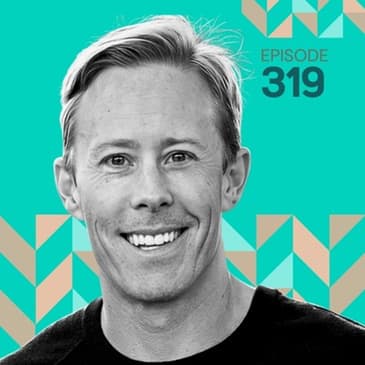
From pain to passive treatment to posture to bad movement to education, Dr. Tom Walters takes a deep dive into pain. Dr. Walters explains how to identify when your pain needs to be checked out and what kind of pain may be appropriate for tissue adaptation. He explains the 6 types of pains we can experience, the importance of language when it comes to addressing pain, whether things can be 'fixed' through rehabilitation, and the role of posture when it comes to movement. By honing in on education. Dr. Tom Walters exposes the truths and debunks the myths around pain, teaching you how to decipher between types of pain to get the appropriate help you need. Let's dive in!
LMNT Discount Code:
Did you know sodium is a key component of breast milk? Fuel every system within the body and the brain with LMNT! Keep yourself hydrated on a cellular level by replenishing the sodium, potassium, and magnesium that our body needs for basic cellular processes like nerve signaling, smooth muscle contractions, unnecessary fatigue, aches and pain, brain fog, and recovery! Get a free gift with every purchase and try some new flavors as you stay hydrated! Get Your Free Gift Here!
What You Will Learn In This Interview with Dr. Tom Walters
06:21 - What was the goal for the Rehab Science?
07:10 - How to make a program that helps the masses?
12:53 - How do you know if your pain should be checked out?
15:50 - Should you continue with pain during rehab?
20:08 - Understanding Pain
21:08 - Debunking terms to describe pains
25:58 - Should you need to come back to get something “fixed”?
33:05 - Symptom modifying interventions
34:27 - Does posture matter?
37:43 - Are some movements bad?
41:27 - Educating Patients
45:06 - Where can you buy “Rehab Science”
To learn more about Dr. Tom Walters and view full show notes, please visit the full website here: here: https://www.docjenfit.com/podcast/episode319
Thank you so much for checking out this episode of The Optimal Body Podcast. If you haven’t done so already, please take a minute to subscribe and leave a quick rating and review of the show!
Hosted by Simplecast, an AdsWizz company. See pcm.adswizz.com for information about our collection and use of personal data for advertising.
[00:00:06] Welcome to The Optimal Body Podcast. I'm Dr. Jen. And I'm Dr. Dom. And we are doctors of physical therapy, bringing you the body tips and physical therapy pearls of wisdom to help you begin to understand your body, relieve your pains and restrictions, and answer your questions.
[00:00:19] Along with expert guests, our goal of The Optimal Body Podcast is really to help you discover what optimal means within your own body. Let's dive in. Excited to chat with Dr. Tom Walters. Now he is Rehab Science on social media.
[00:00:35] You might have already seen him because he has a million followers. Just came out with his book called Rehab Science. And he's an orthopedic physical therapist, former kinesiology professor and the founder of Rehab Science, which has helped millions of people
[00:00:48] better understand the science of injury, rehabilitation, pain management and human movement. You can find more of Tom's content on Instagram and YouTube, both at Rehab Science, as well as his website, rehabscience.com. Now he lives in Santa Barbara, not too far from us in
[00:01:05] California with his wife, Kristen and their two daughters. And this is such a great podcast, highlighting and understanding how to kind of move through pain, when to start rehab programs, what those look like, and just a lot of information about the body. So we're so
[00:01:21] excited to talk to Tom, another physical therapist we admire and we love having on. So I hope you really enjoy this episode. Tom, thank you so much for taking time and chatting with us. I mean, you have just hit a million followers on Instagram,
[00:01:36] released your book Rehab Science. I mean, things are going so incredible. And it's really fun to see as a fellow physical therapist, another person who's just continuing to help and educate in such
[00:01:50] a massive and big way. So thank you for being here. Thank you for saying that. I'm super pumped to be on with you guys. I know we've had some fun interactions over the years. So it's thanks again
[00:01:59] for having me first time on your podcast. This is awesome. Thank you. Yeah. And the thing that I love about this book, and we've had multiple people who've been on, one of the biggest challenges, I think, in our society and just with the general public is
[00:02:15] people's ability to do their own daily maintenance on their body. And there's very few good sources of information out there that can help educate people on what it means to do their own daily maintenance, how they know if they're doing it right, how they know if the aches
[00:02:33] or the pains or the sorenesses that they get are good or bad, or if they should go in and see somebody. So what was your goal in putting together this book Rehab Science?
[00:02:46] Yeah. I think a lot of it, what you're speaking to there was totally a goal in it. I mean, a lot of it... I mean, you guys know my account has really been... The mission with it from the
[00:02:57] beginning was just to take common questions and problems that I was used to seeing in the clinic. Because I started it... Really, when I started, I've been a PT for about 10 years. So you start
[00:03:07] to develop those clinical practice patterns. And most humans have a lot of the same problems. So I'd hear those questions and see those problems. And I thought, I'll just try to put something out on a daily basis that is helpful to people and addresses some of those questions.
[00:03:23] Something cool that I just learned about is that sodium is a key component to breast milk. And as I'm in my postpartum journey, and I am breastfeeding, this is something that is so
[00:03:32] important on my mind. And a way that I've been actually getting sodium into my diet to make sure that my breast milk is adequate and I'm pumping enough and feeding my baby enough
[00:03:44] is by getting aluminum every single day. So this is a sugar-free electrolyte mix that you just add into your water. And we usually put it in a 32-ounce jug that we drink throughout the day.
[00:03:58] And it is such an easy way to make sure that you're hydrating your body because you go back and you want the drink so much, it tastes so good, but you're benefiting your body.
[00:04:08] And when we look at some of the research... So Kelly Levesque, someone we've had on the podcast and I admire so much, she's talked about how some research suggests that if electrolytes in breast milk are inadequate, it can adversely affect the child's health down the road.
[00:04:22] And that is huge. So being able to fuel my body, whether you're breastfeeding or not, is so incredibly important to make sure that you're getting the electrolytes you need, especially in the summer and when it's still a little warm to replenish the body the way it
[00:04:38] needs. So go down to the link in our show notes. It is www.drinkelement.com. That's www.lmnt.com backslash Optimal. With any purchase that you do, you're going to get a free sample pack so
[00:04:49] you can experience all the different flavors that Element has to offer. I'm telling you, they're so delicious. My favorite is raspberry and watermelon if you want to check them out.
[00:04:58] But go experience it. Get a sample pack so you can decide what is your favorite flavor and just add one pack a day. So the book is really a more comprehensive extension of all that stuff
[00:05:12] because like we were talking about before, social media is great and can really help people. But it's really just that you just lack so much nuance. You can't go into depth. You can't be
[00:05:22] really comprehensive. But still, it helps people. So the book to me was this amazing opportunity to go into more depth in these topics. And just like you were alluding to, Dom, I think it's so key.
[00:05:33] One of the messages we've been trying to... And you guys know both as PTs, so many people think rehab exercises are only for when you have pain or injury or you're rehabbing. Really, so many of them are mobility and resistance training exercises that
[00:05:47] keep you healthy and help reduce the risk of injury or having some pain issues. So that has been a huge thing is trying to help people learn that like, yeah, the book is a rehab book. And the programs are organized in a way that they're related
[00:06:02] to specific conditions, but also help people understand that like, hey, you can go and take the exercises from phases two and three of the program, which are mostly mobility. And then phase three is all resistance training. And just take those and use them to keep your body healthy
[00:06:15] and just keep your musculoskeletal system healthy. There are a lot of resistance training exercise like squats, Bulgarian split squats, deadlifts, things I would just do in the gym just to keep healthy. So yeah, that's been kind of the mission with it. I think that's one of the
[00:06:32] questions as well that most people have is how long do I have to keep doing this for? And you just kind of alluded to it. It is something that then gets programmed into
[00:06:43] your life because as it should, we should continue to move and continue to do these exercises to help our body in general. But how do you go about putting together these pain programs that you
[00:06:56] felt okay enough to be able to touch so many different people that will see this, right? We know pain presents in so many different ways. So someone having this common pain condition, how do you put together a program that's going to help the masses?
[00:07:11] Yeah, I think that's the biggest criticism like we were talking before that kind of comes up with these things. You hear from other clinicians like, you are creating these general sort of cookie cutter type programs. Obviously, I'm not doing an evaluation on someone and in no way
[00:07:28] is the book meant to take away or say, hey, don't go to physical therapy. But there are so many conditions that you can. I really think if you give something time and you have exercises
[00:07:40] that work on any kind of impairments that are there, you kind of teach the person, okay, what does normal range of motion look like? And then you have some exercises that gradually load the area with resistance training and teach them how to kind of progress over time.
[00:07:57] It is amazing to see how many people get better with just those things. So I think when you have the right kind of education and then a program that takes people and gradually exposes their system to more stress and teaches them how to when to move forward,
[00:08:15] what is it appropriate to move forward? I think you can make a really positive difference for a lot of people. And those people who don't get better, of course, it's like, okay,
[00:08:25] well, you had a traumatic accident or you just had surgery, go to PT. If you are doing these and you're not because most people will start to see positive changes, right? If they adjust, if they modify or eliminate your behaviors, and then implement exercises that gradually kind of
[00:08:40] expose that region to appropriate stress, they will see improvements in a couple of weeks. And so I think that's not happening. And we talk about red flags in the book and things that people
[00:08:50] should look out for. But most people will see in a couple of weeks, you'll see positive change. If they don't, or things are getting worse, then yeah, it's like, okay, go see your doctor or your healthcare practitioner. And when I made these programs, it really was...
[00:09:04] I mean, again, you guys after being a PT for a while, you know, you kind of have a system for what you do with people. And I think that works for most musculoskeletal conditions. It's
[00:09:17] like, you take the person in the beginning when they're more sensitized and you kind of work on reducing pain and reducing sensitivity. So that was kind of phase one of the book in each program.
[00:09:27] Phase two is related more to... And most times, PT will look at mobility impairments and motor control impairments. You're looking at, let's get you back to having full range motion. Let's make sure you're moving with good quality kind of movements. That's phase two. And then phase
[00:09:41] three looks at strength impairments. So it's all resistance training. And I think that's at the end of the day what most PTs do for most conditions. And so I think if you give... Again,
[00:09:51] if you give people the right education and help them figure out how to move through those phases, you can make huge differences in people with just a general program. And the book is kind of designed so that every condition, it's broken down in body region. So
[00:10:05] you might go to shoulder and maybe you don't have a diagnosis, but the beginning of every common condition has a description, signs and symptoms, aggravating factors. And those are meant to be almost kind of like what people do with WebMD where you're kind of
[00:10:20] trying to self-diagnose and figure out what you have and then have a program to follow. So I think there'll be some people come into it who have a diagnosis and it's a flare up or
[00:10:30] it's not that severe. Maybe they had it before and they're like, oh, I just need a reminder of things to do. And then there'll be some people who they wake, they have some new kind of pain thing.
[00:10:39] They didn't have a real severe injury and they're trying to figure out what do I have and then start implementing something. And I've just seen over the years, again on social media, doing these simple posts with six exercises where people
[00:10:53] find something they can use an anatomy image, a little bit of text about the condition, signs and symptoms, and then start implementing. Actually, I've seen people improve with that. And that's just such a less comprehensive version. So to me, I think the book will be
[00:11:07] much better than that. That already helps people. And I would have never known this. Back when I was a P2 of four, starting posting online, I would have probably been in the boat
[00:11:19] of saying like, oh, that's just cookie cutter in general. How is it going to get anyone better? But it's just you guys know when you're posting stuff for years, you have a different experience
[00:11:29] than someone who's not doing this. And we've all seen it help people over the years. That's why we keep doing it. Yeah, the way that you've laid out the structure of this book or how you talk through each body area or disorder, I think it's just
[00:11:43] brilliant. And we do podcasts, just Jen and I where we talk about specific diagnoses on each different episode. And the phase one, two, three that you have laid out is kind of the theme that
[00:11:56] we notice with every disorder or pain area. It's calm it down, move it, and then strengthen it. Exactly. You know, calm it down, move it, and then load it. And so, as long as people have guidance when
[00:12:10] they're going through those phases, because as you said, someone might wake up with a flare up and they're like, oh, what did I do? What did I pop out of place? How did – what's wrong with
[00:12:21] my back now? I'm broken. And people just don't know how to interpret these pains that we feel in our body. And I think that's one of the biggest challenges that people encounter is they have this
[00:12:32] pain, and they don't know. Am I okay to start exploring this myself? How do you in the book or in general help people understand what type of pain is okay to start exploring themself versus
[00:12:47] what type of pain is something that they should probably go see somebody and get another look at it for? Yeah, that's a good question. So, I kind of start out with chapter – the first five chapters
[00:12:59] are all about pain. So, what is pain? How does your pain system work? Chapter three are the different types of pain. So, that's kind of the first introduction to help people understand characteristics of different types of pain, sort of like what is nociceptive mechanical pain that
[00:13:13] most musculoskeletal pain falls into that category, right? Like where you can turn it on and off easily. It's related to non-notchier nerves, right? It's like, you strain your ankle or you strain your back, something that's clearly related to your mechanical system and it's easy.
[00:13:30] It's predictable. It's easy to turn on and off. And so, that chapter kind of goes through that type of pain, neuropathic pain where there's something sciatica, crumple tunnel syndrome, things that affect nerves, and then more of the sensitized chronic and persistent pain states.
[00:13:45] So, I think that chapter kind of starts laying out, okay, here are these different types of pain. Here are common symptoms and characteristics with these. And then again, we talk about red flags. So, like these are more sinister kind of signs and symptoms to be aware of that
[00:13:58] if you have these, especially combinations of these, it's like you really want to go see your medical provider and make sure there's not something that's non-musculoskeletal that seems musculoskeletal. And then in the injury chapters and in the programs, we do a lot of
[00:14:18] different call-out boxes for different types of injuries. Like if you're looking at ligament injuries or tendon injuries or cartilage injuries, there's a box that's when to seek professional help. And so, that's meant to kind of help. There's a lot of those kind of boxes in
[00:14:32] there of like, when should I consider surgery? When should I seek professional help? And really, again, I didn't want to create a resource that makes people think they can just use this and
[00:14:42] never go to in-person PT because we all know that's the gold kind of standard, right? Like you go and someone evaluates you, they can do manual therapy if needed. They can touch you, palpate, they can really be more sure of what's the diagnosis here and then prescribe exercise,
[00:15:01] therapy exercises that are really, you know, when someone comes to see me, I might only give them two or three exercises because they're really specific to their current symptoms, their functional state. It's really specific. So, the book has got way more
[00:15:14] exercises in that each program because I'm not evaluating the person. So, it's like you're kind of throwing everything at them and trying to educate them on how to fix things and how to
[00:15:24] move through it. But yeah, there's I think with that helping people make that decision on should I go see a practitioner? Can I follow these programs? It was a lot of these kind of call
[00:15:34] out boxes on when should I seek professional help. That's great because those are some of the most common questions, you know? And I think another common question when it comes to pain
[00:15:44] and movement is well if I'm moving and I know that I should be doing this but I start to feel pain during it or I don't feel it while I'm moving but I feel pain 24 hours after I did some exercise.
[00:16:02] What do you recommend people kind of are reading into this pain? Like how do they start to interpret it? Do they continue to move or do you have other recommendations? Yeah, so those are such common questions, right? They're probably some of the most common people having experiencing symptoms
[00:16:23] during exercise and wondering do I keep doing it? Do I modify? Do I replace it with something else? And so, one of the ways we handle we have before in the book, you know, it's broken down into the
[00:16:36] pain chapters, verse five and then chapter six through ten are injury and then almost probably a little over half or more than half of the book chapters 11 through 22 are all rehab. But the
[00:16:46] rehab before you get into the programs there's a chapter, let's say chapter 10 or 11 is or sorry, I think it's 11 is training and programming guidelines and it's sort of like broken down almost into questions that people would ask those kind of questions and helping them figure out
[00:17:04] basically the lead up to the programs. How do I navigate? So, you know, some of the ones we focused on a lot were those exact ones you're asking, you know, what if I have pain during
[00:17:13] this movement or exercise? And so, we give ideas like of ways to modify maybe shorten your range of motion so that you're just going up to that pain threshold and just work and moving to that
[00:17:24] range of motion and looking to gradually increase range of motion as your system desensitizes. Maybe it's dropping load, you know, all the common sort of modifications we just naturally would do as PTs when someone's in the clinic working with us. So, giving people some ideas
[00:17:41] on those and you know, the 24-hour thing like so some people, right, they won't feel much pain during maybe not during the movement exercise but then later they're floored up. And so,
[00:17:53] I think I approach this like a lot of people, a lot of PTs do now especially from kind of the tendinopathy world of like, okay, do your exercises and then track that over the next
[00:18:03] 24 hours into the next morning and day. And if your baseline level of pain is flared up and worse, then look back at what you did the day before and maybe that means dropping a set on each
[00:18:16] of the movements. Maybe you take an exercise out just helping people kind of figure out how do I adjust the volume and intensity of what I did the day before so that I'm challenging my system
[00:18:25] but not causing a flare-up in my baseline level pain. And I think, you know, a lot of it, I know when I was an early PT, I used to tell people kind of all the time, oh, it hurts,
[00:18:35] don't do it, which is right. It's not kind of how we think about things now for a lot of conditions. So, it's trying to help people. A lot of the guidelines in the phases will say, you know,
[00:18:47] it's okay to have mild pain while you do the movements as long as your baseline pain isn't flared up after the session into the next day and kind of tracking it over that 24-hour window.
[00:18:57] So, trying to help people kind of think about it's okay to have some discomfort, right? Especially with things like so many people have tendinopathies. And tendinopathies, you kind of need to have a
[00:19:08] little bit of – I often tell patients it's often helpful to have a little bit of discomfort while you're doing it because if you don't feel it at all, you're probably not loading it enough.
[00:19:19] So, kind of helping people just know that it's okay to feel something a little bit. If you only say exercises that cause zero pain, you probably won't challenge the tissue in the system enough. But also making sure to respect your symptoms and make sure that your baseline level
[00:19:35] pain and symptoms aren't flared up the next day. So, we try to answer those questions in the programs and in those training guidelines in the earlier chapter. I think that's huge because a lot of people usually say, well, if I'm feeling the pain,
[00:19:50] I made it worse or I'm breaking myself more or I'm worsening the injury. And our brain usually, it goes into that protective mode or that scared mode the moment we start to feel that pain again.
[00:20:06] So, being able to walk them through that journey of understanding it for themselves, I think is really, really key. Yeah. I know it's huge, right? Most humans are like that. They think pain means something's injured
[00:20:19] in their body. And so, I think there's a lot of trying to educate people on just separating pain from injury. And of course, they can go together. But we know lots of times that
[00:20:29] pain doesn't indicate some tissue damage. It's just some sensitivity in your system. And you have to challenge that sensitivity to change your pain perception and pain tolerance thresholds. And so, yeah, I think a lot of it is trying to help people understand that feeling pain and symptoms
[00:20:48] doesn't necessarily mean that something's damaged. And in many cases, you need to lean into that a little bit to get the tissue to adapt. Yeah. When we were looking through your book a bit, we saw a couple of the insert boxes
[00:21:03] that just break down some of the stereotypes or what people start to connect with terminology like a pinched nerve, or a slipped disc, or your hips or your pelvis being out of place or being
[00:21:19] shifted. Can you speak a little bit to where some of those might start to create the wrong impression in people's heads? For sure. This is an area... I mean, a lot of the reason I got started in social media was these harmful... We talked about it in the
[00:21:38] clinic, all these no-see-bick messages that are the opposite of the placebo where they're actually harmful to people. And you would hear these from certain practitioners. I can have patients come
[00:21:49] in and told something like that. And for sure, I was guilty early on as a PT. We all are. You say things that you think back on, that was probably harmful to someone, but I just didn't know any
[00:22:00] better. But then you do run into practitioners that intentionally tell people some of these spread these harmful messages to keep people coming back for treatment. And you're on a alignment. You've got to come here for 36 visits so that I can straighten your spine.
[00:22:16] And a lot of it's just BS. And that stuff was super frustrating to me and was a lot of the motivation behind getting started on social media. So yeah, I think that those... I try these days to
[00:22:30] be really careful with my language. And I know it's not perfect. Sometimes it literally is just unintentional. You see more and more research on certain phrases that are really common to us that are slowly going away, I think. But just things you can inadvertently say things and
[00:22:50] every person is different. But I try to be careful to use empowering positive language and really remind people of how resilient and robust their system is and this amazing capacity it has to adapt rather than trying not to use words and phrases that make people feel like
[00:23:09] they'll never get better or something's broken and damaged and can't change or their pain is never going to fully go away. And it is a delicate balance, right? Because some people with chronic or persistent conditions, I think just like some mental health conditions that are more persistent
[00:23:29] in nature are maybe more realistic than managing them is what's actually going to happen and that they won't fully ever resolve. You just don't know. You have people who have had pain for a long time,
[00:23:42] they get immediate quick resolution, they find the right thing and it goes away. But then you have people where I think that neural circuitry is just... It's so easy to fire those circuits and it's hard to... And there's so many factors in life that contribute to pain and
[00:23:58] to get someone to complete... Maybe they've got a job they can't get out of and the job is stressful or they've got to be in a certain position at it. It's just hard for them to leave it. You can't
[00:24:08] modify that factor and maybe you can't fully change their pain because of that or they've got something hard at home or they don't want to give up drinking or whatever affects their sleep
[00:24:19] or something. And you realize that you can make a big change in their life and change a lot of factors, maybe you can't change everything. And maybe it's more realistic than a program that's going to help them manage and knock down their symptoms and make them more functional,
[00:24:35] but maybe they won't be able to fully get rid of all symptoms. And that's not everyone. That's more the persistent type pains, which again, we try to go into helping people because it's tricky too.
[00:24:49] Because you can have acute pains that you just keep flaring up. I've got a hamstring teninopathy right now that I've had for probably two years that I just constantly anger me and I'm not always good at following the advice I give other people. So, like most
[00:25:02] PT's I think, I just keep running on it too much and I don't probably strengthen my hamstrings enough and... PT's are the worst patients. Oh man. I just... Yeah. But I know that's not... It doesn't match the criteria of being a chronic pain condition, but
[00:25:18] because I've had it for a long time, some people might say, oh, you've got like a chronic pain because it's been there for this length of time. And so we try to help people understand what are
[00:25:27] the characteristics of acute pain versus chronic pain. And for sure, you can just have these acute pains that you keep flaring up. It doesn't mean that it's a chronic condition because you still
[00:25:34] want to get people into... Even that word chronic has been shown in the research to be negative to people and to make them feel like they'll never get better. So, yeah, I'm trying to sort through
[00:25:46] all that. Yeah, exactly. And that's what I think can be really hard for people. But going back to... I mean, you touched a little bit on practitioners that are giving the passive treatments and saying
[00:26:01] that you have to come back in order for this to be fixed, right? Can we touch on that a little bit? Because what I also appreciated in your book is you're going through all of these treatments
[00:26:12] that a lot of times we do as PTs and we're going to continue to use hands-on passive modalities. However, as you continue to read through it, a lot of it ends with, but in research this has been shown to be a placebo effect or... Exactly.
[00:26:28] You know, like you're kind of highlighting what the research is actually saying, even though this is the intention that people are believing that they're going in with. So, what are those treatments? I
[00:26:39] guess, can you touch on some of them and kind of highlight what they're really doing, what we use them for and when someone should really focus more on passive modalities rather than getting into
[00:26:50] the more of the movement and active stuff? Yeah, for sure. We really tried to point out in the book that look, education and exercise slash movement should be the focus of what you do for musculoskeletal conditions. I think those things have the best research and support.
[00:27:07] Chapter 13 was the complementary and alternative medicine chapter, which we just kind of... Because people are always asking about these things like, well, all these different interventions out there that exist, would these be helpful for what I have? And I didn't want to leave those out because
[00:27:24] they can't have a place. A lot of them can't have a place. I mean, I have... Most of my PT background out of school was in manual therapy. I still really believe that manual therapy has a place
[00:27:34] to help jumpstart people to reduce, especially in that phase one area of reducing pain, calming the system down and helping with mobility, helping with those impairments. I didn't want to leave out a lot of those interventions. In Chapter 13, we really
[00:27:51] tried to break them in order of evidence just loosely. The ones that come early in the chapter are ones that have more evidence and then it kind of works its way down. But everything from acupuncture to cupping to electrical stimulation, stem cell, PRP, taping, even things like
[00:28:13] mental imagery, kind of thinking about that. But like you said, a lot of those interventions, if you look at the studies on them, a lot of them don't... The actual intervention doesn't do a whole
[00:28:26] lot better than a sham version of it where they're basically performing a fake version of that treatment and seeing that that can be just as effective because the person believes, right? It's the power of your mind and believing that something's going to help you and that whole
[00:28:43] placebo effect. But I tried to cover those. Nowadays, I don't like to tell people... When I was a new PT, I felt a gung-ho on research and I would tell people, you have someone come in who'd be like, Oh, I've been doing this intervention
[00:29:02] and it's really helping me. And I used to rob... I feel bad looking back. I used to kind of rob people that I'm like, Oh, there's no research to support that. And I would basically just create almost battles with people. And it just wasn't worth it because
[00:29:16] nowadays, I think in that chapter, even though I rank things by evidence, I really stay in there. I want people to focus on education and exercise and movement as the primary things they focus on. But if you want to add in these other things and they're not extremely...
[00:29:36] They're going to hurt you financially to try them. They don't cause a bunch of negative side effects, then sure. Try it. If you want to go try dry needling or acupuncture, you want to go try
[00:29:47] like add sauna to your routine or go do hyperbaric oxygen. If there's something out there that you have access to, as long as you're doing those other... As long as you're focusing on exercise and movement and loading and gradually loading, exposing your musculoskeletal system to stress,
[00:30:05] working on resolving impairments. If you want to add in those other things, then... And like I said, they're not going to have some harmful negative side effect. Then I don't have a... It's not a big deal to me if people want to try it as long as it's
[00:30:21] not the only... It's not... As long as those kinds of passive interventions aren't their only rehab. Yes. I think that's the biggest thing. And I really appreciate how you recognized... I've heard people say similar things when it comes to pain science education, where
[00:30:37] it's something you really need to tread carefully with when you're seeing a patient who's had chronic or persistent pains for a long time. Same with somebody who comes in and says,
[00:30:48] oh my gosh, I've been getting this laser therapy or this shockwave treatment on my knee and it has worked wonders. The last thing I want to do based on what I know now is start to try and tear that
[00:31:00] down for them. If they feel like that has worked wonders in reducing pain or making them feel better, stronger, more confident, based on what we know about pain and the biopsychosocial nature of it, how it encompasses everything, if they're getting a treatment that they feel in their mind
[00:31:17] and heart is super beneficial, to me, that's probably helping them with their overall pain patterns, overall pain journey. And now I can come in and say, great, you're feeling better. Let's move. Let's strengthen. Let's start to build more resilience and robustness in this area. So,
[00:31:36] I appreciate how you have kind of migrated a little bit towards... And again, I mentioned our podcast. We mentioned these things all the time, how there are often research studies out there that compare dry needling alone to dry needling plus exercise or cupping alone to
[00:31:54] cupping with exercise. And it always seems like the one that also includes exercise has better outcomes. Exactly. Okay, that makes a lot of sense to me because then, yes, you're combining the passive treatment
[00:32:07] that whether it's through placebo or just general nervous system down regulation, that it helps give their system a little bit more slack. Then you work on the exercise and we see better long-term outcomes. So, that's always our message when it comes to passive treatments like, are they useless?
[00:32:25] No, there can definitely be a place for them in your specific journey, especially with the treatment that you feel very passionate about, that you feel helps significantly for whatever reason. Yeah, I totally agree. And it's like most of those interventions, if you look at them,
[00:32:44] most of them are for treating pain, right? They're usually symptom modifying kind of interventions. I think it's like trying to plant seeds with people that because patients get so focused on pain, you can understand it when you're in pain, that's what you're totally focused on.
[00:33:00] But I think it is so much our job, just like you said, Dom, of like, well, yeah, we want to help you get rid of your pain, but we also want to help you and getting rid of pain will help improve
[00:33:10] function. But we also just want to make your system more resilient as PTs. We want to help you be stronger and more mobile. And that's where that exercise comes in. And it's like, you get people who, some people are super gung-ho about exercise, it's easy, but then some
[00:33:24] people aren't. And you're just trying to kind of plant seeds and get them find things that they would like to do that they would enjoy from kind of a movement exercise standpoint. Because we know
[00:33:35] there's so much research out there. I mean, look like back pain, for instance. I mean, everything from like Pilates, yoga, strength training, flexibility stuff, just walking. A lot of these
[00:33:44] things help back pain. So I think you can just find, I feel like I'm always just trying to find, it's like, okay, yeah, let's help your pain. And there's lots of different things you could try to
[00:33:52] help your pain. But then let's also find an exercise thing you enjoy so we can just, I mean, exercise helps so many areas of your, not just your musculoskeletal system, your brain, your immune system. I mean, there's so many podcasts and talks now about,
[00:34:11] I mean, exercise is right up there with sleep. It's like those two for just overall health should really be probably the things we focus on the most. So I'm curious too, in your book, do you touch on posture? Because that's a big
[00:34:30] topic for people. And especially when you do have so many practitioners who are talking, well, this is out of place or this is higher than this hip or, oh, we need to fix your alignment through some adjustments. And how do we help navigate someone
[00:34:51] with all of this messaging about alignment? But then we have research saying, posture doesn't really matter. But we have people who are saying, but I want to fix my posture. So how do we kind
[00:35:03] of, how do you recommend people kind of going through that balance of understanding it? Who do I believe? What do I do about all of this? Yeah, it's a tricky line to walk that whole
[00:35:14] discussion. But in chapter four, that chapter, we do all the factors that influence pain. And then there's also chapter nine is factors that influence injury. So there's a lot of crossover
[00:35:25] in those. But I think the posture one is that it's probably more relevant in the pain area. But a lot of it for me is kind of trying to talk about some of this research on, hey,
[00:35:38] there's probably not a bad posture. There's probably not like a posture that you could say is, we've seen the research more and more that posture doesn't seem to have a super strong correlation with being able to predict who's going to develop pain. I think everyone's nervous
[00:35:54] system is so different. I used to be more in that right moment. I think all of us when we went to physical therapy school, we came out with this sort of postural structural biomechanical kind
[00:36:02] of framework of how we looked at pain. And so I was much more likely back then to think about what is correct posture? What are correct biomechanics for this movement and make recommendations based
[00:36:16] on that with patients. And I think over the years, I've just seen, you see someone where you think, oh, it's like, okay, here's the posture that is the best posture for you to have. And that would
[00:36:25] actually end up provoking their symptoms. And so I have definitely kind of loosened up in that area now. And I think when I'm writing about it in the book and talking to patients about it,
[00:36:38] I think it's sort of this thing of like, hey, posture for sure can be a part of pain. You could have a posture that you're sort of sensitive to. And that's what we want to look for. What are
[00:36:49] postures that tend to posture, positions, movements, activities that tend to trigger your symptoms? And let's kind of try to listen to your nervous system and find things that are less likely
[00:37:00] to trigger it to help us desensitize the system. And that might mean that you are in a posture that's slouching and doesn't look like, you know, good posture in quotes, you know, and maybe that
[00:37:11] maybe sitting up straight actually provokes your symptoms. And so we need to kind of listen to your body and make adjustments based on your specific kind of situation, what your nervous system is telling us and less of really being strict on this is good posture versus this is
[00:37:29] bad posture. And the same is true for movement. We have a whole call on a box. I really try not to label any movements or exercises as bad because they're really just some movements or exercises
[00:37:38] that if they trigger your symptoms, you're probably just not ready for them. And, you know, I think all of us are kind of talking about this now in the online space, like, and hopefully the patient said, like, what is your current capacity? Like if something
[00:37:51] triggers you or pushes you towards injury, it's probably just that you don't have the capacity for that thing right now. It doesn't necessarily mean that it's bad. And so we have a call box
[00:38:00] that kind of shows Jefferson Krugles as an example of that. And the person is saying to them, oh, no, don't do that. You're going to hurt your back and kind of idea of like that nocebic potentially
[00:38:11] harmful message when really that might not be a bad movement, but you could be somebody who's not ready for it. And I think that's where biomechanics and posture comes in, especially when you start putting a load on the system, right? Like if you, as you increase load,
[00:38:26] external load on the system, of course, body weight by itself could get some people into trouble for sure with just posture and things. But when you start putting a load, like you're doing a deadlift in the gym and you've got weight on the barbell, well, then I think
[00:38:40] posture, biomechanics, kind of how you align your kinetic chain matters more, especially as it relates to the capacity and kind of strength you've built. What is your training state? How long have you been practicing that movement? Are you extremely new? If you're
[00:38:55] really new, then maybe you really do need to think more about kind of this neutral spine kind of position and starting light and maybe only working through partial range of motion
[00:39:03] and building up over time. And so I try to, I think in the book, try to cover it in that way because I also for a while when I was really heavy into the pain science world,
[00:39:13] I think I went too far down the road of like posture never matters. Stop thinking about it, which just isn't helpful to a lot of people either because you, right? Like a lot of
[00:39:22] people have pain that's triggered by certain posture. So you can't just ignore it and just say posture doesn't matter. You've got to find a balance between those and help people kind of
[00:39:33] figure out, you know, what's triggering my symptoms and how do I modify that? And kind of just, I don't know, that's kind of where I'm at these days and I tried to explain it that way in the book. Yeah.
[00:39:46] So again, this I think is, it's so great how you're explaining it because you're kind of thinking it through, at least in my opinion, rationally where a lot of these topics that I feel are presented as if they have two options. Posture doesn't matter at all or
[00:40:05] posture is super important and we need to be paying attention to every position and how we're lifting and it is the paramount thing we should be paying attention to. If there's one thing that I've learned when it comes to health or just life in general,
[00:40:19] there generally aren't 100% causal relationships and there generally aren't 0% correlations, you know. Exactly. Often lies somewhere in between and we often need to look at the specific person in order to figure out how discussing this topic will best benefit them and how we approach this topic of posture
[00:40:44] and positioning will best benefit them. And I think you nailed it on the head in saying that posture when it comes to body weight generally isn't the importance, but it's how have we prepared
[00:40:56] our body to be ready for when it gets put in an awkward position under load in our everyday lives and have we prepared our body to be able to be resilient and ready in the case we're picking up
[00:41:10] a heavy box or couch with our family when we're trying to move, is our back ready to be in that position under that load or is that the point where we go beyond our tolerance and I really
[00:41:22] like how you kind of laid that out. For sure. I mean, I think we all think very similarly and I think you – the more – you know, just like you said, Don, there's not a lot of black
[00:41:32] and white with humans. There's all this gray area, everybody's a little bit different and you have to be mindful of that when you're trying to educate people. I just think – because there
[00:41:41] was a period of time where I was a little more black and white and that just didn't serve a lot of people. You have to build a kind of walk the middle ground and you see, like you said, some
[00:41:50] people are very like no postures at all and some that only focus on posture and I can see good and bad in both things and it's like how can you kind of merge those together and I think the other
[00:42:00] thing you asked about, there are a lot of things – there are messages out there that just plain annoy me and are harmful, you know, like the – you're out of place or – Yeah.
[00:42:12] You know, when they're just – so those – some of those we – I did try to kind of talk about like in an – not calling anybody out but just try to be like kind of presented in an educational way
[00:42:27] like one of them there was a call-out box on like disc herniations and oh, pinching your – Yeah, I like that one. Yeah, like hey, let's – most of the time like you guys know, like people have MRIs and a lot
[00:42:38] of people feel like oh, I've got – let's say I have a pinched nerve because that's what they've been told. They learned it online or a friend or some medical person said it to them and it's like
[00:42:46] in most cases, those disc bulges aren't big enough to actually touch the nerve. There's just irritation, inflammation and yeah, you get nerve symptoms in it but people have this idea of like pinched nerve has just infiltrated like all of our culture and that's what people kind of –
[00:43:00] they have this like visual of like I pinched a nerve when they have nerve symptoms and I think trying to call some of those out. I probably could have called out a lot more in the book
[00:43:11] because I know they come up a lot on social media like leg length difference and how does – how much does that matter and can you like really slip – can a disc go out of place? Can you
[00:43:20] slip a disc out? You know, I could have gone into probably more of those in the book but I kind of – they're in there in pieces, you know, in different spots and I mean like I said,
[00:43:32] those were a lot of the reason I got started in the beginning because they were so frustrating. I think in the book, I kind of – instead of calling some of those out and attacking them,
[00:43:40] I just tried to focus on what do we know and trying to have education that's kind of empowering to people. I think you did a great job, Tom. Like really looking through it, the structure
[00:43:52] of how it's laid out is great. I think it's easy for people to understand, be able to read through and also have the education and the science behind what it actually means and what this
[00:44:05] is actually helping me with. I mean, I don't think we're ever going to really beat some of those loud, you know, messages out on social media because it's so easy to see a quick fix
[00:44:17] from – or a quote unquote quick fix from some things of someone feeling so much better from something done or the illusion of improvement from like you're saying, leg length or hips out of place or whatever those things may be. Hopefully, people continue to
[00:44:35] listen to our podcast and we're talking about this. They get your book and they read about it and they start to feel a little more understanding within their body. I think that's what we're all
[00:44:44] trying to do, help to bring more, you know, compassion to your body. We all go through pain symptoms but then move. We got to move. We got to start to feel something different and that's
[00:44:56] the way that we can do it ourselves. And you're giving people that empowerment and the tools to be able to do that which I think is again just so cool. Where can people go and get rehab science
[00:45:09] and get this knowledge just in their hands to always have available? Yeah. No, I just – to reiterate, I think you're so right. Like movement exercise, like that stuff is so important and I think, you know, the book has a lot of – in the beginning
[00:45:25] has a lot of pain and injury signs and I think a lot of people will just skip over that and go to the programs. But my hope is that as they start to move and kind of learn these things
[00:45:33] like you're talking about, become more aware of their body, you know, what's my mobility like? How is my strength? Can I do these things? How can I make my body more resilient? As they do those
[00:45:41] things and feel good about moving, exercising, they'll be like, hey, I should go back and learn some of this pain and injury science because I really think, you know, the three of us as physical
[00:45:49] therapists, I think we have this amazing knowledge base that helps protect us when we do have pain or injury. And I think that's what the pain science and injury science stuff kind of does is it's – to
[00:45:59] me, it's almost kind of like this armor of protection. Like when you understand that, you don't get as anxious or worried when you do have pain. It's like, oh, I've just got this thing
[00:46:09] that's probably my hamstring. No big deal. Like I'll just go through the steps and it'll get better. So I hope that people will dive into some of that stuff and just learn a little bit more about pain
[00:46:21] and injury. But yeah, the book – so it's called Rehab Science, How to Overcome Pain and Heal from Injury. You can get it on Amazon, Barnes & Noble, kind of all the major book retailers.
[00:46:31] Target has it. And there are a lot of international people who I think follow all of our accounts. And so there's a bookstore in the UK called Blackwells that ships globally. So I've sent
[00:46:43] a lot of people there. But people can always DM me on Instagram and I can send them links. I've been doing a lot of that, just helping people. And actually, just trying to help people find
[00:46:52] the right book because unfortunately – and this is new to me – but there are scammers on Amazon who will take your cover and sell it for cheaper. And I've had a bunch of people buy the wrong book. It's the wrong author, wrong title. But they DM me and said,
[00:47:05] hey, I got your book and it was a blank notebook. And they just bought the scam book. Oh no. It's been a tricky thing. I've spent a lot of time over the last
[00:47:14] few months helping people find – make sure they get the right book. But yeah, if people have any questions about that stuff, they can definitely DM me and just add Rehab Science on Instagram and YouTube. So...
[00:47:25] Well, Dr. Tom Walters, it's been a pleasure talking with you, educating millions of people both through your Instagram. If you haven't, go check them out at Rehab Science. We will have the correct link to the book down in our show notes if anybody listening is interested in
[00:47:43] grabbing that. And I know it's just going to get the education in people's hands to help them do that daily maintenance on their bodies. Thanks so much for being with us and talking things through a bit.
[00:47:52] Thanks so much, you guys. It was nice to be on and just to get to talk with you a little more. Yeah, thanks for the opportunity. So excited for the book to get out there and just to see how it helps people. So thanks again.
[00:48:05] Thanks for sticking around for another interview. If you have interest in getting this Rehab Science encyclopedia truly about overcoming pain and healing from injury, check out that link down in the show notes. And please pass on this episode. If you haven't, consider leaving us
[00:48:19] a rating and review on your favorite podcasting platform that just helps us so much to be seen by more people to get this information into the hands of people that need it. And of course, we'll see you next time on the Optimal Body Podcast.