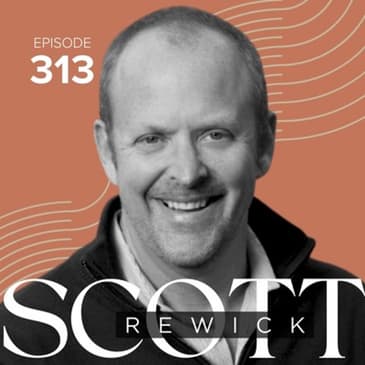
From traditional Western medicine rooted in pharmaceuticals to a more root-cause-based approach when approaching pain, Scott captures this paradigm shift as he interviews 60+ healthcare professionals to encapsulate the different capacities of healing, which have been undermined or underappreciated. Touching base with the politics and finances behind the medical system as we know it, Scott reveals the story that inspired him to publicize the newfound pain scene and perspectives to provide change to the education system on health via a bottom- approach and transcend hope within the general public. By highlighting the main purpose of this documentary, Scott shares his opinions on the biopsychosocial contributions to pain as well as the changing scope around holistic treatments for pain. Let's dive in!
Check us out on the Strange Pain Docuseries here!
VivoBarefoot Discount:
What are you wearing on your feet right now!? Flat, thin, wide, and flexible. VivoBarefoot Shoes are made to optimize the natural function of our feed, enhancing strength and mobility with a barefoot profile shoe. For every occasion from casual wear, slippers, exercise, hiking, and beach days to dress wear, you can get a 15% off using our code 'TOB' only available to our podcast listeners with 100 days risk-free trial period! What's there to lose? Try your pair of VivoBarefoot shoes this summer, here! (affiliate link)
**Vivo offers a 100-Day trial period. If you are not completely satisfied, you can send the shoes back and get a refund.
What You Will Learn In This Interview with Scott Rewick
04:09 - What inspired Scott to do a documentary on pain?
08:31 - The dad-child relationship through being active
09:57 - What were doctors saying about the pain
13:13 - Time for money model - is Pharma bad?
14:39 - What did the professionals highlight in the interviews
18:40 - Principles about Health and where America's health education is
20:46 - What is Scott's main goal with the documentary interviews
24:46 - Psychology: positive feedback loop and self-talk
27:43 - Opinions on holistic health treatments
34:22 - Passionate about expertise
To learn more about Scott Rewick and view full show notes, please visit the full website here: https://www.docjenfit.com/podcast/episode313
Thank you so much for checking out this episode of The Optimal Body Podcast. If you haven’t done so already, please take a minute to subscribe and leave a quick rating and review of the show!
Hosted by Simplecast, an AdsWizz company. See pcm.adswizz.com for information about our collection and use of personal data for advertising.
[00:00:06] Welcome to The Optimal Body Podcast. I'm Dr. Jen. And I'm Dr. Dom and we are Doctors of Physical Therapy bringing you the body tips and physical therapy pearls of wisdom to help you begin to understand your body, relieve your pains and restrictions, and answer your questions.
[00:00:19] Along with expert guests, our goal of The Optimal Body Podcast is really to help you discover what optimal means within your own body. Let's dive in. It is dead summer now and what are you wearing on your feet? Look down. What are you wearing?
[00:00:34] Hopefully, you're barefoot, especially if you're inside. But if you're going out or outside, yes, get your feet into the grass, get your feet into the dirt, ground yourself a little bit. But if you're wearing shoes, have you ever tried Vivo barefoot shoes? We talk about them all the
[00:00:49] time. All the time because you really do that feedback that we get from the ground is so necessary for how we start to sense different areas within our body as we work up the chain.
[00:01:00] When we get better connection to our feet and spread of our toes, we're able to use the muscles better, but we're able to connect to our entire body. All of a sudden, our squats, our deadlifts, things that we do in everyday life start to become easier,
[00:01:15] program better, and we have less pain throughout our entire body. The thing that I love about Vivos is when you think about barefoot shoes, you don't think about having them for every type of occasion. But we have dressed Vivo barefoot
[00:01:27] that we wear at weddings and something I'm really excited about because we're going back to Minnesota in a couple of weeks and we're going to be out at the lake. Vivo has multiple options
[00:01:35] for water shoes. They have the Blooms, which are like I call them the Gucci of Crocs because they're so comfortable and they work really well in the water. But they also have the Hydra, which is
[00:01:45] a new shoe of theirs that is meant to be able to go in the water and also perform well for running. It's for like swim run athletes, which I don't run myself, but I'm very excited to use the Hydra
[00:01:57] as a water shoe to have those barefoot shoes to be in the water, feel confident, feel comfortable that I'm not going to step on anything. And like I said, they have them for
[00:02:05] every other type of occasion as well. So we have a special podcast discount. If you want to get 15% off some barefoot shoes, go down to the link in the show notes. You can make sure to use code
[00:02:15] T-O-B at checkout and get 15% off. So excited for this next interview with Scott Rueck because Jen and I get to talk with him about one of our favorite topics, which is pain. Scott's most recent project was creating a docuseries called Strange Pain, in which he
[00:02:32] interviews over 60 area experts in pain, including our very own Doc Jen Fitt, my co-host and wife. He talks with these experts about pain science, pain intervention, and just how pain impacts the average person's life. Scott originally made his name in building businesses where he founded
[00:02:53] and funded multiple businesses, helped scale them to multi-million dollar a year annual revenue. But this most recent project he did, which he included Jen as an interviewee, dove into the issue of pain. And I love where we start this interview because we talk about how pain impacts
[00:03:10] Scott's own life, his ability to participate in what he loves, especially in being able to be a father. So let's listen into Scott's story and then some of his key takeaways from interviewing these 60 area experts in his docuseries Strange Pain. Scott, thank you so much for taking some
[00:03:28] time to chat with us today all about pain and something that I actually got to talk about with this Strange Pain documentary, which I'm super honored to be a part of. So thank you
[00:03:39] first of all for having me on there. And then thanks for coming and talking to us about your pain journey and what this whole Strange Pain thing is about. It's my pleasure. Thank you so much for having me. Appreciate it.
[00:03:50] So Scott, as people heard in your intro, you kind of have an extraordinary business and entrepreneurial background. But we're really excited to talk to you about this new project being about pain, this Strange Pain docuseries that you took on. What really made you interested
[00:04:09] in focusing an entire project on this topic of pain? It was interesting because it was just kind of this weird series of events that led me to these two filmmakers that were passionate about this topic. We met at an event and I just was casually
[00:04:27] sharing my own journey with pain and for reasons I don't remember exactly how, but it was just kind of the fortuitous meeting of two filmmakers who were really interested in creating a project around the topic and then my own personal relationship with pain. I can't imagine it's
[00:04:49] not unlike a lot of people that end up in pain somehow, some way. So it was just with luck, and then it just worked out really well that we were able to create this project and do what we
[00:05:01] did with over 65 healthcare professionals and get a real kind of broad brushstroke of possible solutions for people. Now, what was your pain experience? I think a lot of people, pain is a part of life and we talk
[00:05:17] about this on our podcast in terms of we're going to experience pain, but I think where people get hung up is chronic pain. Is that what you had experienced?
[00:05:27] Yeah, I kind of feel like it was the perfect storm for me. I mean, I'm kind of a guy that's entering his mid-50s and I guess traditionally I was taught that the older you get, you should just
[00:05:39] expect things to start breaking. So I kind of just took it for granted that I would be suffering from some kind of pain, whether it's just getting old or arthritis or whatever. So I kind of just
[00:05:52] assumed that that was the deal. And then for me, I've done jujitsu my whole life and also happen to be kind of really flexible to the point where they call it hyper flexibility. My story was I
[00:06:10] wanted to be a ballet dancer as a young child, and so I just began to stretch all the time. And as a result, I'm hyper flexible. So it was kind of like, hey, I'm getting older. I've done
[00:06:23] jujitsu, which can be pretty tough on the body. They don't really sell it like that, but joint pain is something that's very common. I had multiple surgeries on shoulders to try to fix
[00:06:36] things that broke. And then I think honestly, the COVID thing, I think just kicked things into high gear for me where it's like a lot of people just weren't moving very much. So I found myself in this
[00:06:48] scenario where I was just constantly in pain and everything seemed to hurt from my knees to my joints, to my elbows. And I found that I was just really engaging in kind of less than helpful
[00:07:02] solutions like, hey, I'll just drink some wine or I'll take some aspirin or I'll just ignore it or whatever. So yeah, it was just weird. It just seemed like everything kind of flared up over
[00:07:13] the last couple years. No, I think that – I mean, I love how you lay that out and explain that. And we talk about – we've got a couple of podcasts on hypermobility and how people with
[00:07:27] hypermobility can face some specific challenges when it comes to pain and just the awareness of the body and once you have pain, how it can kind of perpetuate in a certain way. But I was reading
[00:07:39] on the Strange Pain website when you're explaining and outlining your story. And I think this is a point a lot of people hit when it comes to pain is when it starts impacting the things that mean
[00:07:52] the most to you, that hold the closest place in your heart. And it's something that being a young parent right now, I have all these aspirations and dreams of playing sports with my son someday,
[00:08:06] roughhousing, playing catch. And there's a specific line in there that you say where you say something about, you know, I never thought that this pain would – or your son asked you to play catch.
[00:08:19] And you said, absolutely, like, let's go. And he kind of noticed you gingerly pulling a sweatshirt on and he said, you know what, dad? I know that it's painful for you so we don't have to. And it
[00:08:29] just broke my heart. Yeah, yeah. I mean, you know, I'm not unlike a lot of people that had kids later in life. I'm 55, my son's eight. And you know, it's always like, you know, you'll do only so
[00:08:42] much for yourself, but you'll probably do more for other people. And to your point, I mean, I really wanted and continue to want to be a really active dad with my son, but I'm an older dad,
[00:08:53] so like, you know, playing soccer, he'll be banging on my door at 6 a.m., let's go play soccer, dad. And I'll kind of have to get some coffee in me and go for it. But it really impacted
[00:09:04] my ability to play with this little guy. Just all he wanted to do was play soccer and roughhouse, like you said. And while I could do it, I just knew that for me to show up at my best, I had to be
[00:09:15] pain-free or I had to lose a lot of the pain that I was suffering from for me to really show up for this guy. So he was really a lot of the impetus behind trying to actually solve it and solve it
[00:09:27] in a way that does not like, hey, have another surgery or hey, let's up the dose of kind of your anti-inflammatory medication or whatever. The traditional stuff that I had tried over the years
[00:09:40] just wasn't working. So I was just kind of like, it set me off on this journey to like, I wonder how many alternate forms of pain relief there are because clearly the ones that I were
[00:09:53] doing was not working. And you were trying to go to various doctors and receive some help? What was the main message that they were trying to tell you? Yeah, I mean, so many people echoed this
[00:10:08] in the documentary. It's just like pills and surgery. And I think that being said, that might be a little bit harsh because I think that Western medicine is changing where we are having an active dialogue about nutrition and movement and such. But for the most part,
[00:10:26] these are very well-intentioned good people who just through no fault of their own, we're in this system where it's like you have 15 minutes to see somebody and it's just so much easier to say, hey, look, up the dose on the anti-inflammatory or I've got this great surgery
[00:10:43] that might help that problem. So I was kind of knee deep in the more traditional Western medicine primarily because that's just what I was taught to do. And so in terms of talking to all of this huge audience of interesting doctors that were doing alternate stuff around mobility
[00:11:06] and diet and gosh, like red light therapy and cryo and hyperbaric and just I got exposed, I feel like to a master class of real experts that had different ways of looking at pain mitigation.
[00:11:22] And some of them have just a lot of success in getting it to work. So the whole root cause-based medicine really, that whole world opened up to me as a result of doing this documentary.
[00:11:36] Yeah. And Jen and I talk about that kind of approach all the time. And I think as I was coming out of school into the profession of being a physical therapist myself,
[00:11:49] you have a lot of frustrations when you start to realize how the system is set up in our country and how it limits your time and ability to connect with and understand with and make impact upon
[00:12:01] the person and the things that are important to them. And it's all built on this time for money model, how many billable units can we get? Right. How many... And I feel like I went through a little bit of a phase where
[00:12:15] I got really upset with providers because I'm like, oh, all they're doing is prescribing medication or surgery. But then as I got past that a little bit, I start to focus more on the system and say, okay, like you said, these are very well-intentioned people who came into
[00:12:32] the field because they wanted to help people. They wanted to make impact on people's lives. But it wears you down to a point that we work in a specific system and you start to understand if I
[00:12:42] want to keep my sanity and take home a paycheck and live my own life, I have to kind of conform to the system. And that can be really frustrating. I think I saw another thing on the website that
[00:12:54] you had listed that in 2021, 334,000 health professionals left the field and a pretty high percentage of that was physicians, which I think is very telling. Yeah. And I really... I wanted to make a point that I was not one of those people that were
[00:13:15] just going to label pharma as bad or Western medicine as bad. I think that's a real... It's a narrative that I really wanted to stay away from because I just think it doesn't really
[00:13:24] solve the problem. But yeah, I think in most cases, one of the questions that I really asked quite a bit in the series was, what led you to go down this path? And I'd say more often than
[00:13:36] not, it was a personal story. These were highly intelligent, very well-educated people that were doctors and physicians and surgeons and physical therapists. And in most cases, something happened to them or somebody they loved and they applied everything they learned
[00:13:54] in amazing medical schools, and it just wasn't working. So whether it was a father that had dementia or they were in pain, but they really could see the fact that anecdotally, what they
[00:14:08] were taught would work wasn't working on somebody they loved. So in most cases, that started kind of a curiosity to figure out what's going on here and could there be alternate ways of doing things.
[00:14:22] And so that was my experience in terms of trying to get to an origin story about why people chose this path. It was really just super interesting to listen to their stories. I mean, I think curiosity is everything, especially as a healthcare provider. I think
[00:14:39] that's what's cool about our profession is the fact that there's so much to continue learning and discovering what root cause can be. And so, continuing to get curious about all that, I mean, it's definitely what leads Dom and I doing what we're doing and helping patients and
[00:14:58] trying to get people to try on something different. Out of everyone who you interviewed, was there something that kind of, I want to say kind of strung along that stuck with you? And is something that maybe you've tried, maybe you're implementing on a daily basis? Is there something
[00:15:17] that you have found within your life right now that's really helping you? Yeah. I mean, there were so many, gosh, I mean, I have 65 interviews. There were so many that stand out. It's almost hard to pinpoint one, but one of the things that I really appreciated was
[00:15:36] a lot of the advice was far more simple than I had expected it to be. In other words, a lot of the vice came back to the basics, which is like, how much are you moving? What are you
[00:15:51] eating? What are you saying to yourself? You're awesome, or you suck, or whatever. And then are you doing the best job possible trying to avoid third-party toxins like mold or pesticides? So it seemed like a lot of the solutions came back to those four main topics,
[00:16:16] which I really appreciated because a lot of times, or some of the times what I had to do with some of the people that I interviewed was slow them down because they were so
[00:16:28] proficient in what they did. I was like, look, talk in single syllables, talk to me as if I don't, because they're just so educated and they're throwing out, well, the ATP molecule receptor
[00:16:43] on the glutathione. And I'm like, look, you're going to lose people. Just meet them where they're at. So I think a lot of it was just really basic stuff that people could do. What are you putting
[00:16:57] in your body that might cause inflammation? Or guess what? Go for a walk in the morning, or get some sunlight, or work on your sleep. So I really appreciated that because I think that's stuff that people can bite into and really feel like it's possible for them,
[00:17:15] rather than a long string of scientific jargon that might just lose them. I think that we were talking with someone the other day just about biohacking. We had a couple of Jen's friends over and one of them said to the other friend, oh yeah, you're really into
[00:17:33] biohacking and stuff. And I always kind of chuckle when I have conversations with people about biohacking because like you just said, when it comes down to it, a lot of the basics and
[00:17:44] foundations of biohacking, to me, is what we need to and should be teaching everybody as just general healthy lifestyle principles that everyone should live by. Like, what are you doing the first 30 minutes in the morning? Get out in the sunlight, get your feet in the grass, drink a
[00:18:02] glass of water. What are you doing two hours before you go to sleep? Is the food that you eat every day mainly whole food-based ingredients or are you eating a lot of processed things?
[00:18:15] Those few things right there can go so far if we're trying to address our overall health and pain as well. And I think wherein lies one of the most difficult challenges is we have
[00:18:27] very little space in people's lives growing up, in your kids and our kids' lives. I have some fears here and there about the health education that we have in our country and where do we start to teach
[00:18:42] people about these principles? I don't know if you talk to anybody who is working in public health or working on ways that we can deliver this easier to the masses. I did a little bit of that and it's a great point because
[00:18:58] do you go kind of bottom up like a grassroots effort? Part of me was really enthusiastic that I walked into this completely new world of science-based solutions that did have very
[00:19:12] simple elements to it that was a growing movement from the bottom up. Or even from the top down, I think that's going to be a lot more difficult. I go to my son's school and they're still serving
[00:19:24] pizza and pasta and deep fried wontons or something for lunch. And I'm like, hey, where's the vegetables guys? So I think that from the top down, whether you say it's like government policy or big pharma or big food or whatever, it's going to be really hard just because
[00:19:42] there's just probably so many competing interests and money and whatever. But I'm encouraged kind of like from the bottom up, moving this growing community of healthcare professionals, a growing community of people that are just sick and tired of it. They're just fed up. So I'm hopeful that
[00:20:00] it's a bottom up movement because I'm not too terribly enthusiastic about it being top down, just given that we're working against some pretty big machines that are already pretty well entrenched in terms of the way of doing things. So yeah, I guess I just drew encouragement from
[00:20:21] the fact that there's a lot of people kind of learning this stuff for the first time and then applying it. Yeah. Well, and I think that's the main thing, right? Is the application of actually being able to
[00:20:34] implement this into your life, knowing that you have the tools, the education and feeling empowered that someone can take this on. And what is your main goal with someone kind of
[00:20:46] coming in and watching this? Is that having those tools, having the application to be able to do it, is that what they're going to get? What is the main goal of someone coming and watching all of these? I just wanted to expose as many people as possible to
[00:21:02] as many of the most intelligent, bright people I possibly could and give them hope. Because I think that a lot of people that struggle silently in either mostly chronic pain, acute pain, I think
[00:21:17] we have really good solutions for the most part for acute pain. But there's just this massive amount of people that struggle silently with chronic pain or some type of debilitating disease.
[00:21:29] And so my goal was to say, look, there are other ways. You don't have to just naturally don't accept some person in a white lab coat. There's lots of different ways to do it.
[00:21:41] And so my goal was just trying to bring as many smart people in the room as I could. I only have very limited time, half hour to 45 minutes. So my goal was how much information can
[00:21:54] I extract out of these really intelligent people? And if that information lands on one person, and that person ends up whatever, losing weight or not being in pain, then I feel like my job is done.
[00:22:09] Not really done, but I feel very validated that if I can expose as many people as possible to just new ways of solving pain through root cause-based medicine, then I'll feel pretty
[00:22:23] stoked about that. Yeah. No, I think that a lot of people in this field share that sentiment where you feel like you do so much work, but honestly, if one person comes to you with a story about how it changed their life, it's all worth it. Yeah.
[00:22:39] It's all worth it. Totally. And that's the thing. I found example after example of people that had had real change. And just a quick point, one of the things that surprised me, and I guess I knew
[00:22:54] it, but it was nice to hear it again, was just people's belief structure because that was the fourth element, what you tell yourself. I think you have to want it bad enough for yourself because
[00:23:06] there is so much information about why do 95% of diets fail or whatever? Why are people just can't break through to go walk every day or to just eat plants? So what surprised me a little
[00:23:19] bit was just the emphasis on why are you doing this and who are you doing it for? And if you love yourself enough, you're going to take care of yourself better. And so one of the gentlemen
[00:23:30] named Paul Cech really hammered this thing home for me in terms of just like the why has to be big enough to why you're doing it. Otherwise, you fall victim to old patterns and ways of eating or
[00:23:45] not moving that will be debilitating. But if you can nail the why piece of it, I think that goes pretty far. So anyway, just an interesting thing that I hadn't considered. That's everything.
[00:23:57] And even when I do my movement challenges, one thing that I really try to get people to follow along with are our mindset tools that come along every week. And I think it's the thing
[00:24:10] that most people skip and they don't read and they don't want to listen to. But it's the one thing that when people continuously take that in as well as all the movement videos that I do,
[00:24:23] that's the people who end up having the most massive changes is because they're implementing that exactly like you said, the mind piece. Why are we doing anything unless we really understand it within our bodies and we have that deeper why? I mean, that comes down for everything.
[00:24:44] And that helps funnel you into kind of this positive feedback loop because as soon as that mindset bit flips, you start doing more of the movement, more of the nutrition type choices that are better for you, which then helps the mindset and the brain health overall more.
[00:24:59] And it just kind of becomes this funnel that – or this wheel that starts to spin itself. Right. Exactly. And it's just your willingness and ability to stay on that positive wheel
[00:25:12] will just be directly impacted with your why. And so, a lot of people will fall off that wagon at some point and get back to bad patterns because they really aren't clear about their why.
[00:25:24] For me, again, we talked about it earlier. Yes, I wanted it for myself, but I also saw this little dude, this little eight-year-old beautiful boy who just wanted to play with his dad.
[00:25:34] And having grown up kind of without access to a dad or I didn't have much of a dad figure in my life, it really made it a priority to me to be like, look, I'm going to be there for that guy.
[00:25:46] So, my why was really big because I was going to nail this for this little guy and I would do more for him than I would do for myself in some cases. So, I think everybody has to have their why.
[00:25:57] It's like – it sounds kind of glib, but if you love yourself enough, you're going to make better choices for yourself. And so, I don't know if this comes down to a
[00:26:07] love issue or what, but it's such an important piece of it I found in terms of just talking to people about this. Well, and I think that love issue or you know, self-love, self-worth bit is all kind of wrapped up in that mindset, that psychological,
[00:26:23] psychosocial aspect of pain and health that doesn't often get talked about enough. And it's funny when you say that. I remember one of the first times I came out to visit Jen
[00:26:35] in Los Angeles. I was living in Minnesota at the time that I met her and she was giving a talk and she said something along the lines of, if you're not going to do this movement stuff for yourself or if you're not going to do it
[00:26:48] for yourself, just do it for the little ones that are going to come after you or do it for the little ones that you can be an example for. And that has always stuck with me. And
[00:26:59] when you say it now, I'm like, well, look at this. Now we've got a four-month-old little one and I'm going to keep doing what I do if not for myself to be an example for that little guy.
[00:27:11] Yeah. It's like, it doesn't matter how you get there. It's just like, can you generate that why? And that's so cool, dude. That's great. Wow. I love that. Yeah. I have a quick question. You talked about how a lot of what you heard from these 65 plus
[00:27:26] professionals in all these interviews funneled into four of these big buckets relatively. And a lot of it ended up being people coming back to the same types of principles, the basics
[00:27:38] that you should be doing. Was there anything, any modality that really stuck out to you? It was like foreign or new or something that just seemed kind of maybe not crazy, but out there as something
[00:27:49] that you wouldn't have thought of? Yeah. And I really appreciated that side of me. I mean, I mentioned my dad earlier. He was a scientist at Stanford. And so, I have what I think is maybe an overly developed sense of skepticism around this stuff. Like, oh, okay,
[00:28:07] if I put this crystal on my head, will I kill my diabetes or whatever it is? So, I went into it with a high degree. Well, let me see. Maybe a high degree of skepticism on a lot
[00:28:20] of this or some of this stuff. But what I was really amazed at is the amount of science now that's coming out that is backing what people have said. So, if you would have approached me
[00:28:37] 10 years ago or five years ago about acupuncture, I'd be like, that's lame. It doesn't work. Or red light therapy, like, oh, there's no way. And so, I did admittedly have some amount of skepticism
[00:28:50] on some of these more alternative stuff. I did cryo and hyperbaric chambers and acupuncture and red light therapy and tried all this really cool stuff. And again, I come back to what I was amazed
[00:29:05] about was the amount of research and science that actually backs it up. And so, that was really pleasantly surprising to me to learn of this new cool stuff that I was figuring out that took the
[00:29:18] woo-woo out of it because I'm not a big woo-woo person for better or for worse. So, I really appreciated that side of it quite a bit. That's huge. And I agree. It's really cool to see some
[00:29:32] of the research that's coming out on a lot of these more, you know, quote unquote, holistic type of treatments. I mean, even we had someone who was talking on essential oils on the podcast and,
[00:29:44] you know, similar to you, I would have had a lot of skepticism about a lot of these techniques and when they're used for and hearing the research behind how it's impacting the body and when and,
[00:29:58] you know, how it can have massive impact was so interesting. And I think that's part of that curiosity aspect we kind of talked about before as well is being open enough to be curious and
[00:30:11] then even try it on your own self, you know, once you've heard some of that stuff now, okay, what am I going to start to implement and how can I start to use these tools that I'm learning about? I think that's what's so incredibly important too.
[00:30:26] Yeah, and I think there's a class of people that get really open because it's not worked for them. It's like if you're suffering in chronic pain, you've probably tried a lot of different things
[00:30:40] and you're just so frustrated. But I think it's that frustration that might open the window to you saying, look, okay, I'm going to have an open mind with a lot of this stuff because I've taken
[00:30:52] a leave my whole life and it just doesn't work or I've had five surgeries, back surgery, this, and it's not working. So it's kind of sad that it has to get to that. But again, if it does lead to
[00:31:07] changes and you do fall in love with one of these interesting modalities that I kind of learned for the first time, whether it's being in a hyperbaric chamber or red light therapy or all this really
[00:31:21] cool stuff, then that's awesome. Just seek your solution because there's just a lot more stuff it seems like out there that a lot of people don't know about that if I can help expose some of the cool things going on, I'll feel like I'm doing a good thing.
[00:31:36] Yeah, I think you hit something on the head there with – especially when we're talking about pain, there are so many people who have been dealing with this for 10 years, multiple decades, have tried a dozen or a couple dozen different modalities or providers and feel
[00:31:52] like there's no solution in play. And the reason that I've migrated towards – especially as somebody who has always thought with more of that scientific mind as well – I've migrated towards not ever trying to knock anything as woo-woo or crazy because what you said, the change and
[00:32:11] the testimonials of people who say they use it and it works. They use it and it's the one thing that has helped them feel a difference in their body. And honestly, from the research, we know that
[00:32:25] there can be huge placebo effect, especially if someone just goes in believing that change is possible and believing that it's going to help them feel something different. So, whenever I try something new, I go in believing that I'm going to feel something
[00:32:39] different because I'm like, if I can utilize the placebo effect to feel something different, whether I'm rubbing an essential oil on my arm or going into acupuncture or taking an infrared sauna, this is going to change something in my body. And I think that's
[00:32:55] something we definitely should be taking advantage of. Yeah, 100%. I would agree with you on that 100%. So, it's awesome. This is really great. And I think people being exposed, as you said, to being able to hear
[00:33:11] what these experts have to say, I'm truly honored to be amongst over 60 people who have been interviewed for this to be able to help people. And like you said, knowing that they could be pretty easily attained tools that you can use in your everyday experience, I think that's
[00:33:33] what's going to help a lot of people. The education is definitely one aspect, but then having the applicable takeaways is key. So, Scott, thank you so much for coming on and chatting with
[00:33:48] us a little bit. I'm excited to get this out. We're definitely going to have it linked in the show notes. So, anyone who wants to hear and learn and expose themselves, and you don't have
[00:34:00] to be in chronic pain right now to know that... You're going to get something out of this. Yeah. For as high as our pain is within, especially the US, there's a chance that
[00:34:12] you're going to run across an episode of chronic pain. So, being able to have the tools beforehand is super beneficial. Yeah, 100%. No, it was an honor. I just so enjoy meeting the both of you because I really resonate with a lot
[00:34:28] of what you're saying. And I'm passionate about finding people like you that are just so overly developed in your area of expertise. So, for me, I just felt like the luckiest person in the world
[00:34:39] because it's as if I was getting a 45-minute private masterclass from some of the best people on the planet. So, for me, I was just like, it was a truly selfish endeavor in some way because
[00:34:51] I was like, I'm getting 65 people that can help me, right? And so, if people watching this are the beneficiary of that, then ultimately, that's a pretty laudable goal to expose lots of people to
[00:35:08] different ways of getting rid of their pain. So, it was a real honor for me to talk to you. Awesome. Yeah, that sounds like an incredible collection of people to be able to
[00:35:18] learn and glean some info off. And again, I'm sure it's going to help a ton of people. For those who might just be listening and not be able to click a link right now,
[00:35:26] where can they go to make sure they check this out or get the Strange Pain docuseries? Yeah, it's just strangepain.com. Pretty simple. Strangepain.com is you'll see everything that we did there and you could get access to a ton of free resources on that page and
[00:35:48] interviews and summaries. So, just go there and check it out. Thanks so much for tuning in to another episode with us on the Optimal Body Podcast. We just appreciate you being here so much and we hope that you continue to learn. And if you want to
[00:36:02] understand more about this pain stuff that we're talking about all throughout this episode, make sure to check out that link in the show notes. We're going to have it linked up so that you can get access to all of these incredible interviews and continue
[00:36:15] learning more about what can really help our body.