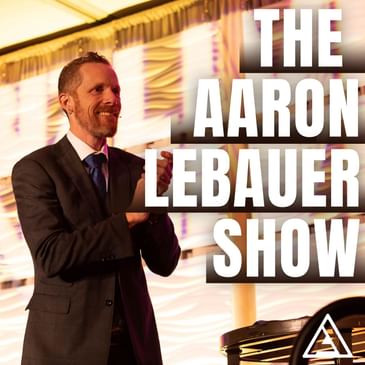
In today’s episode, Dr. Derek Nielsen flips the script and interviews me! We’re diving deep into marketing strategies that every cash-based PT clinic owner should know. Whether you’re new to the game or looking to grow, this episode is packed with actionable insights.
We cover:
-Diversifying your referral sources
-Finding patients for a new clinic
-How to get clients to come back
-Repurposing content for maximum exposure
-Collecting leads & converting them
-Marketing versus sales strategies
-Leveraging automation to scale
-Staying top of mind with your email list
Time Stamps:
1:00 Introduction
2:02 Getting referrals as a new cash PT
8:57 How tactics have shifted over time
16:25 Staying in front of potential clients
19:35 Facebook marketing in today’s world
25:50 The ins and outs of free offers
34:26 Attracting the right clients & patients
42:49 Then versus now: marketing in 2009 vs today
46:45 Do you need to learn copywriting to succeed?
Don’t miss out on these tips—be sure to subscribe and share with fellow PTs!
Connect with Aaron:
Facebook: https://www.facebook.com/AaronLeBauer
Instagram: https://www.instagram.com/aaronlebauer/
CashPT Nation FB Group: https://www.facebook.com/groups/CashPTNation
9 Profit Accelerators: https://www.aaronlebauerlive.com/9-profit-accelerators-webinar-registration
Connect with Derek:
Website: https://thenewagept.com/
[00:00:00] Welcome back to the Aaron LeBauer Show. My name is Dr. Derek Nielsen. Aaron's tied up in the back room right now. I've decided I'm taking over the show. I was his first cash PT in 2017 and I took over his office one week that he was out of town and I made some videos, posted them in his Facebook group and today I decided I'm taking over his podcast. But with that said, he is tied up but I forced him to answer all the questions that I have for you and we're going to mainly discuss marketing.
[00:00:28] Welcome to my show, Aaron. Hey, Derek. Thanks for having me on. I appreciate it. Today I want to talk about mainly marketing. So a lot of it's going to be marketing. I want to speak to, I know you've got a crowd that follows you. You know, cash PTs follow you from before they get started to just started to they're making, you know, six figures a year.
[00:00:50] And I think one of the main problems everybody has is with marketing. Whether you're doing well today, whatever you're doing could stop working and then you've got to switch gears and do something different like ads or Facebook ads or a referral source all of a sudden goes under the gym. They're not making money. They go under COVID hits. That was your main referral source. You've got to switch gears. So marketing is always going to be prime on the plate as far as, hey, we've got to continue bringing in new patients, new leads.
[00:01:18] So I want to take a step back and let's go back to, you know, you were in. Did you open your cash practice in Greensboro? Yeah. Okay. So I know you're a massage therapist. You lived in San Francisco for quite a few number of years and then moved to Greensboro, North Carolina. What year did you open up the Bauer Physical Therapy? That was in 2009. So I think it was technically February 2009.
[00:01:48] And when 2009, it wasn't like, I mean, did you know anybody, any other cash physical therapist? Not in Greensboro. There were, you know, I'd studied with John Barnes for 10 years as a massage therapist. And there were a couple people like John Barnes, like you go to his office. And when I did an intensive there, there, you know, it's, it was basically cash or out of network.
[00:02:15] I don't know if they build on your behalf, but it was, you paid him and then they would give you the, whatever you needed to file a claim. And there were a couple other therapists who in that world who were like in other like seminar assistants or instructor. I mean, that instructor is a strong word, but we weren't instructing. It was like seminar assistants who were doing that, but it was very few and far between. And those were pretty much the only people I knew of who were doing it without insurance.
[00:02:44] So were they PTs? Yes. Yes. Most. So about when I was going to the seminars, I would say about 40 to 50% of the people there were PTs, maybe 40% were PTs and a good 10% were OTs. And then there was about half, half, half the people were massage therapists. And there were a few chiropractors and speech therapists kind of in the mix. And so, of course, as a massage therapist, that's what we did.
[00:03:14] And people were like, but it wasn't cash-based massage therapy because all massage therapy is cash-based. But some of the OTs and PTs who had been doing it for a while eventually were just accepting cash from people. But it was, you couldn't find anything about it on the internet. And there was very little information. And some of the people I met with were talking about it. And one guy was talking about how he wasn't doing cash, but he had employees. And he made less money with employees.
[00:03:43] It was the hardest thing he ever did. And I was like, oh, I guess I'm not going to have employees because that was really hard. You know, it was like these are the people that I was chatting with. But one of the reasons that I decided I wanted to go back to PT school is a lot of the other people that were doing really well or seminar assistants, they were PTs and some OTs. And I was like, oh, they have a level of knowledge that I don't have that I think would be helpful. And that's one of the reasons being exposed to that group of people was the reason I went back to PT school. Got it.
[00:04:12] So what did you do when you officially opened to get patients? The first thing, yeah, the first thing I did was I so I grew up in Greensboro and I moved out of town for college. And then I was in San Francisco for about nine years, Bay Area for about just under 10. And I moved back and I started a massage therapy practice. So there's what I did when I started a massage therapy practice back here in Greensboro.
[00:04:40] But then there's also what I did when I opened my PT practice. So one of the first things I did is I had been doing massage part time while I was in PT school. And so I went to my existing patient list and I was like, hey, I am graduating in a few in a few months. I'm going to be seeing patients not just for massage therapy, but also for physical therapy. So if you are having any other issues or if anyone, you know, might be having some issues, please get in touch with me and we'll see how I can help.
[00:05:10] And maybe we'll get you in for a visit or we'll talk on the phone. So it wasn't it wasn't from scratch because I had an existing relationships here. When I moved here and started my massage practice, I had six patients, six clients the first week. When I started my PT practice, I had another, you know, I was already seeing people from massage. So I just kind of moved them into PT and I had like eight or nine people that first week of PT because I was seeing people before.
[00:05:37] When I first moved here the year before in San Luis Obispo was bad. I saw six people the whole year. When I first moved here, what I did was I took my massage table. I had to get licensed first. I took my massage table. I did events. I did. I worked at I would do events at gyms. I would do like private, like people would find out about when we were a massage therapist. I contacted my friends, family and people. And it's like, hey, we're here. We're doing massage. And we went and did a couple like private events where we would work on people.
[00:06:06] And I just kind of like went out, got in front of as many people as possible. A couple of the things I did that didn't work so well. So that worked well, like getting in front of people. That's what I still teach. But the things that didn't work so well when I started my PT practice was company letterhead, prescription pads, writing letters to physicians. I would write letter to every time a patient would come in there, whoever there's their
[00:06:34] specialist physician, their primary care physician, or maybe their chiropractor. I'd write a little treatment summary and send a copy of the treatment note and a little letter to them. And that would take me about a half hour. And I would sometimes hand deliver it, which would take more time. And that was a lot of work. It did get me one relationship with a chiropractor. So that was February through in the summer. By July, a chiropractor, I'm here, Aaron Williams, contacted me.
[00:07:04] We went out to lunch. He was like, wow, no one's ever done that. No one's ever sent me a letter. And he ended up sending me about a dozen clients in that first year, which was great. Then he hired someone else, and I didn't see any more patients because I was still doing physical therapy, which in chiropractic world is a lot of times just a treatment modality that anyone can do. But that was really great. But I wouldn't recommend that because it was a lot of work for that result. I would take prescription pads with me. I never saw any of them back.
[00:07:34] Let's see. What else did I do? I advertised in a local health magazine and would write. I would pay $400 a month, and I could write an article, and I would go to their networking meetings. The networking meetings, everyone would try to sell me their health product, and I would write the articles. I got one patient from that the very first month that I had an ad, which basically she referred her daughter, and what they spent with me covered my ad spend for the two years that I did it. So it was kind of a break even.
[00:08:04] And then the third thing I did, which really helped, was I had my website, and I spent a lot of time building up the SEO for my website and getting the website URL, my business listed as many places as I could. And so there was that, and writing online articles that would link back to my website, and then creating YouTube videos that would link back to my website. So I spent a lot of time doing that. Okay, so there's a lot to dissect. Yeah.
[00:08:35] I want to first talk about these, I guess you can call them treatment sessions you were giving away in the community. Mm-hmm. What, do you still, do you still teach that to your coaching group to go out in the community and do treatment? Or like, what's changed since then, as far as what you did to now? Yeah. So kind of the thing was, is I wouldn't really, I would, I wasn't giving them away as much as I would go and, especially as a massage therapist, say, hey, it's a dollar a minute.
[00:09:05] And so one of the things I would do in San Francisco, I had lived on a, I live, my office was on a busy street with other businesses. And I, even though it was probably illegal, but probably not, these days I don't think you could do it. I'd set up my massage chair on the sidewalk with a little sign and talk to everyone who walked by and a dollar a minute. And I did that at the other three blocks down the street was a health food grocery store.
[00:09:30] And I'd, I'd post up there once a month and I met quite a few people that way. The owner of the Italian restaurant across the street came by, he's like, oh my God, you're amazing. Oh, this is awesome. I got to get a massage. He booked in a massage. It's awesome. And he's like, hey, you know, I want to get my, uh, and so he would pay me, but he would send his employees to me. I would work on his employees and he would credit me food, you know, at the restaurant. It was awesome. And he'd bring out, he'd just order for us and bring out all the great wines. And it was amazing.
[00:10:00] Um, so, so in Greensboro as a PT, I would do that. Um, I think there was like, I would take my table and it would be like, it would still be a kind of like dollar a minute, but do I, um, and I would kind of work with people, but what I was doing is I was solving their problems and not really, um, I was kind of building relationship. I wasn't collecting leads. I wasn't collecting their information. And I wasn't, I wasn't analyzing what was wrong so that they knew what they could do
[00:10:30] differently. And so what I teach now is a little different. You know, I don't think people should necessarily give away lots of free treatment. I think sometimes at first, just getting your hands on people is better than nothing, especially if you're doing manual therapy. Um, and one of my clients, Sarah Martinez, who we both worked together, she was like, yeah, I went to this Pilates thing and I did this mini treatments. And I was like, duh. I mean, I'm sure somewhere it came out like that, that was it. But I was like, oh, mini treatments.
[00:10:57] And it's, and it's these, you know, like 10, 15 minute mini treatments where you're treating people and it can be paid or it could be free. Um, but if we do it for free, I'm getting the lead, I'm getting, um, contact information, consent, and we're touching where they hurt, but also talking to them about what they might, uh, struggle with and what want instead and leading them into a total body diagnostic, um, which is a better pathway than just saying, Hey, let me see if I can fix your back in five minutes.
[00:11:27] And people going, oh, it didn't work. So that's the difference in what we teach now is it versus what I was doing was just get my hands on as many people as possible and say, Hey, let me know how that feels. Call me if you think you need more help. It wasn't very markety or salesy or anything. Didn't, you know, it worked, but you know, it, it was also, I was, it was much cheaper. Um, you know, and, uh, it could have worked a whole lot better had I done then what I know now.
[00:11:57] What else would you do? Cause obviously, you know, that I love running promotions and my idea goes to get them on your email list. They don't say yes today to a BD. We throw them in like a seven day promotion with a offer. Hey, book with us over the next seven days, get, get a massive discount just to try and go over to the edge. I think one thing I could have done differently, which I started to do, um, is remember I told, I mentioned I had this ad in this health magazine and the very first ads I had were,
[00:12:26] you know, designed by like the designer who did my business cards and letterhead. And I was even thinking yesterday, I was like, letterhead. Like I thought that was so important to have a letterhead. And it's just the last thing I should have. I mean, if any at all, well, he designed it and it was an ad like everyone else. It's like, Hey, here's our address. It'll be our physical therapy. Here's a picture of Aaron, you know, be pain free today. Call me. And it's like, you know, the one person that did call knew my aunt, you know, so it was a little bit of name recognition and she's like, Oh, I've been looking for this. And she was great.
[00:12:57] Um, and I'm glad I did that because she was a great client and I had a great like relationship with her. And then she sent her daughter and I mean, she even gave me gifts for my, one of my kids when they were first born. I mean, it was, it was great. But what I would have done differently is taken that ad and ad space and crafted an offer and more of a landing page ad more or, or something bigger and make it more of an article like Dan Kennedy would do. Yeah. I did in two years.
[00:13:23] I did that the last few months, but it was hard to track the lead. Um, so I didn't really know like how many leads I got. Like, I think I did, but it wasn't very many. Um, but I should have done that for the, for, for the full two years is had this like, you know, taken. Basically more of a landing page and said, Hey, call this number or go to this website and get access to your free guide on X, Y, and Z. And I would do that.
[00:13:49] And I have people come to me, um, to do ads and they want to do ads and mailers and I've helped them craft ads and mailers, but what they don't lack, they think it's going to work the first time and they, and they don't come into mailers and ads with a budget of saying, Hey, I'm going to spend three to $5,000 over the next two years to make sure this works. They're like, Hey, it didn't work the first time. Like they have to be seen multiple times, but my ad was just the, and my articles that I was able to write were just, were help articles.
[00:14:18] I mean, they're very similar to what you might find that I wrote 15, 15 years ago. Well, I wrote these 15 years ago. There's like, here's the five things you need to fix your back. And it was, there wasn't a call to action. There wasn't, um, other than doc written by Dr. Aaron Labauer, he can be found at labauerpt.com. Yeah. You know, and it wasn't anything that was compelling for them to get more information. Um, there wasn't, it wasn't even the fifth step that they needed. Wasn't that you need a total body diagnostic.
[00:14:46] And the only one person that does that in town is Dr. Labauer. So I need to go get it. It wasn't like, it wasn't persuasive language. Um, it was help language, but what we need to be doing is giving people awareness that they have a problem that can be fixed and the first three steps to fix it. But how they exactly need to fix it is, is up to me, the individual therapist and those articles that I would write, they weren't moving people in that direction and they didn't have a really good hook for a headline.
[00:15:16] You know, I mean, it was like back pain. I mean, or whatever it was like, you know, it was like these very general, you know, so I could, I could really improve those. And I don't think that the people reading those were necessarily my audience anyways. So got it. So, you know, you know, that's why, that's why at least last I remember newspapers force you to run ads in there. If you're going to do it with them, they force you for like six months. Right. You can write an article for us, but you have to pay us 400 bucks a month for an ad.
[00:15:46] You know? Well, yeah. And it, and, and because they know that, you know, obviously they want, they do want the money, but I think they know that you can run one and add one time, but it's not going to work as well as if you run it 10 times. Right. You know, because ideas about you and your business, they don't, and this was a, you know, old time ad man. I forget his Will Barton. I think his name was, but anyways, he, one of the quotes he has is, you know, the ideas about you and your business.
[00:16:14] Don't, don't spring in people's head. They grow over time and, and that's why you have to stay in front of them. And, you know, tell me more about, you know, the Dan Kennedy thing you brought up and writing a letter or writing an article. Why do you think, you know, for the newer therapists, why, why is it writing an article and not just saying, Hey, come and get pain treatment? Like, what is that doing for you that gets them to want more? Yeah.
[00:16:40] I think the first thing writing an article does is establish expertise, right? Right. That's number one thing it does. Um, but if we just write an article and it's research heavy, no one's going to read past the first page and blah, blah, blah, blah. Like, so it has to be something, um, but it has to be something that's compelling and gives them some information. It gives them a little bit more time with you than just seeing, you know, your headline
[00:17:06] and, and that, you know, best physical rated best physical therapist in Greensboro and people don't know what physical therapy is. I even think if I wrote an article, it wouldn't be anything about physical therapy at the end until maybe the end, you know, it would be about fitness and injuries, pain, and, you know, like what people are suffering with. And, you know, I could go through how to write a full article and it's, you know, where do you get those? No one picks up the newspaper anymore.
[00:17:33] Very few people pick up these like magazines and maybe they're doing it just to look at see, like, you know, I would look and see who's the competition are, you know, in here. I mean, it, it wasn't, you know, it's like, but there was limited, I could, you know, couldn't get an article in, I wanted to write an article and I couldn't get one in the Greensboro newspaper. You know, um, I could write an ad. And so the thing that like Dan Kennedy would do is like, Hey, well, let's take out an ad lower right corner in this, in the style section or whatever the section is most people read.
[00:18:04] And instead it's an ad space, but it would, it would look like a newspaper article, same font, same kind of style. And the bombs say, this is an ad, you know, and it would be, you know, and you can see these now sometimes in more like, um, magazines on airplanes will have them. If anyone's ever, Oh, it's like an article about, you know, some new thing. It's, they're still out there. Um, but what I want to do is have time on brand.
[00:18:32] People have time on brand, know how I'm thinking, but really it's about them going, Oh, I've, this is how I feel. He's speaking right to me. Um, okay. All right. Can I do this? Can I touch my back without my shoulder hurting? If it's an article about shoulder problems, you know, Oh no, I can't. Oh, wow. All right. So maybe there is something that I could do to fix that. And I would, even in that article, I would put like a little story about, Hey, I worked with a patient, Jennifer, and this is what we did.
[00:19:02] You know, and it all started with a total body diagnostic exam. So if you're struggling with any of the same things, or you'd like to speak to someone about your shoulder, um, who won't make you wait weeks, um, or speak to a doctor about your shoulder without waiting weeks, call the caller text, the number below. Do you know? So, so today, I don't think you, you know, and you said this, you would, you wouldn't run something like that today, but do you think something like that could work through
[00:19:29] Facebook ads or organic Facebook or somewhere else, like a face, like a local community, Facebook group? Um, do you think that style of marketing would work today? You know, I think it, I think there's, I think with adaptation, it can certainly, I think what you would need to be as someone that really loves writing. Um, and you have to put it out on a regular basis, but is Facebook the platform where people
[00:19:56] are reading, um, really long, uh, captions anymore? Not really. I think it depends on the platform, you know? And I think that the written word is important, but people are on the go and they want little bites. So, you know, listening to this podcast, like you could read this, I could have to hire someone and they could write this out. But how many people are honestly going to sit and read, you know, a thousand words right now? You know, and they're like, let's go watch a YouTube video.
[00:20:25] So I think the long form content is more video audio based. And there's still some people that like to read. So do I think that, I think that those people are there and we could certainly put out like, I think you're like a, a regular weekly, I hate saying the word newsletter, but I do have some long emails that I write. They're basically what we're talking about. And some people read them. Not everyone though. I know that some of those will get high open rates, but they get lower click through rates,
[00:20:53] but probably people that click at the end when they get to the end of the thousand words are more likely to take action at the next step. So, um, I could take those and put them in like, there's a, I haven't done this. I need to do, this is one thing I need to do. My local, my neighborhood has a newsletter that comes out like once a quarter or once a month. I need to write an article in there, right? And take one of the ones I've already written and update it and put it in there. I really need to do that. Just, I've been limited with time, you know, that, but that's on my list.
[00:21:22] I think if I did that every time it came out, I'd get a lot more people from my neighborhood. I just need to do it, you know, um, or find the old article and find the copy and say, update this. I just haven't even done that. So, so it sounds like if I'm hearing you correctly, uh, get them on your email list. And then that long form content becomes, can become individual emails. Yeah. And you just go ahead. Yeah.
[00:21:48] And, oh, and I can still like, they can still be posted places online, like medium, uh, easy and articles. I don't know, Reddit. I mean, different places like that where, you know, you've got to pick a platform and is your audience on that platform reading it? Yes. Okay, great. Like my audience in Greensboro is not on me on medium or easy and articles or anything like that. Like they, and they're not even, they're kind of on YouTube, but YouTube isn't the best place for local.
[00:22:16] And it would be get them on the email list or maybe they'll see it on my personal Facebook page. But that's a little, those things are a little long for personal Facebook. Um, you know, could I repurpose it into something local? Probably. Um, but I think the email is one of the best places for that. So everything, and I totally agree with this. Everything should lead to the email list. Absolutely. A hundred percent. If you're not building an email list, you're missing out.
[00:22:46] Yeah. So you use like right now, uh, for the new HPT, for my business, I'm posting on social media a lot and I'm trying to drive traffic to the email list with like basically every post. Well, that's what I'm trying to do. I just got five ways to get you there. Yeah. Right. Right. Right. And so you think that could, I guess what I'm saying is you think that that, that should, that could work for a PT clinic as well. Yeah. It worked for Nick Essimpler. Nick was one of their mastermind members.
[00:23:15] Um, he was in the program for three years and he started, um, it was called Nick's picks. So every Monday he'd write like, here's my, you know, exercise or supplement pick or, you know, you know, people would ask him questions about which, you know, which, you know, Nick was, uh, work in New Jersey, working with people, um, who are, um, power lifters. And now he's doing power lifting and some Brazilian jujitsu because those are his passions.
[00:23:42] And, and, uh, Nick just did this on a regular basis every week. Um, and, and people, because people would ask him, what's your opinion on shoes or supplements or creatine? And he would write an email every week, kind of, here's my top three things answering this one question. And he built his email list and he did some in-person events, but he relied a lot on email and he went from living in his parents, uh, house to buying a dream home, you know, and,
[00:24:10] uh, within, um, two years or so in Northern New Jersey where they ain't cheap up there. You know what he was doing to get people on his email list? Yeah. It was like, sign up for Nick's picks. It was, um, at the workshops, he had a, a lead magnet. Um, he's got a lead magnet on his website, uh, DMing people through Instagram. So he also, I don't, so I don't know if he's still doing the next picks, but I know he's using email.
[00:24:36] Um, and he does like a question every, um, week, like on Instagram, he's been doing so consistently everyone answers it. And I think from there it's starting conversations, get people on email lists. I, so I, I worked with a, this reminded me, like I worked with a client in Florida that he got a lot of patients off Instagram by just posting like treatment and special tests
[00:25:01] and, uh, running them, trying to show them their problems, which is basically what you were saying earlier. Yeah. Yeah. I got to show people that they have a problem that can be easily solved because I think a lot of people think, oh, my back pain's hereditary. There's nothing that I can do. It's just because I'm getting older, you know, and you know, because someone else has this message and that's like really our biggest competition is PTs is like the societal messages
[00:25:28] and the MRI machine, orthopedic surgeons, you know, that there's nothing I can do about this problem. And, you know, you come and see me and two or three visits, we've got a solution and 20% difference, if not more, because, you know, people haven't been doing anything. They've just been told that there's nothing you can do. You just have to live with it. And, you know, nine times out of 10, it's a simple problem that they don't have to just live with. Well, let me ask you how, how in depth do you think the free offer? Cause okay.
[00:25:57] So, so you're telling me let's post on Instagram, Facebook somewhere. Let's post somewhere. Let's drive people to the email list with some sort of offer. It's not necessarily, it doesn't have to necessarily be a treatment. Man, it can be some sort of, Hey, here's more information. How, how in depth do you think the free offer that they're signing up to get should be? Most PTs when I, and I stopped saying, um, ebook and I started using the word lead magnet
[00:26:26] cause it's really a lead magnet. Um, and lead magnets mean different forms. But when I used to say ebook, people go, Oh my God, I'm not done writing my ebook. I'm like, what the fuck are you doing? Like they think it's a, needs to be research based hundreds of pages. Like these things need to be front and back, you know, two page PDF, three page PDF. You know, it's on page three of the PDF is the call to action. What to do next. Um, even my back painting book is a little long and it's 10 pages, you know, but it's got an intro page and a bio and it's got the five things to do.
[00:26:56] And here's what to do next. It doesn't need to be in depth. It just needs to solve the very next problem. The easiest, quickest way to make lead magnets training I did, um, for our mastermind members. And I done, I did it for a PT biz con one year. It's called the five minute lead magnet. One, we got to find out do people want the solution? And then two, well, how do we deliver it? I make a five minute video and I put it on YouTube. Okay. The video doesn't start with high guys. My name is Dr. And labauer calls.
[00:27:26] It says, here's what I'm, here's the problem I'm going to solve. And here's what you're going to say. Basically today, we're going to talk about the three steps to fixing back pain once and for all. Hi, then it's, hi, my name is Dr. Aaron labauer. I'm a physical therapist in Greensboro and I help patients with back pain every day. Um, get back to, um, participating in their sport, uh, running marathons and CrossFit, even when they were told it's bad for their back or there's nothing else they can do. Here's the three things you need to know. Number one, back pain is not a death sentence.
[00:27:55] It's not hereditary. And, um, just because you have a herniated disc doesn't mean that you need surgery. It's like wrinkles on the inside. Two, the second thing you do is keep moving. Um, try some cats and cows yoga. Go for a walk. If, if it's still hurts and it's still a problem or it makes it worse than what you need is a total body diagnostic with a physical therapist trained in, you know, back pain. So number three is if you need a total body diagnostic, what you're going to, what you're
[00:28:24] going to learn is the root cause of the problem. It's like an MRI without the weight and the cost. So if you'd like to get one of those, you can reach out to us at our clinic or message me on Instagram and we'll ask you some questions and say, you put the time to chat. Got it. So a minute, that was like a minute. I mean, it's, that's the video, but the problem is Derek, it's not the content of the video because that was so basic. The problem is everyone thinks it needs to be more and they get in their head. It's not going to be perfect. I'm not going to look good.
[00:28:53] I kind of do my makeup. I got to do my hair. I mean, dude, one of our best performing ads from a few weeks ago was me when I took off my hat and my hair was all messed up. You know, who the fuck cares? I had three people comment about my hair. Well, the goal is I got you to watch the video and comment, you know, like that's the goal of marketing isn't to solve their problem. It's to get people to take the next step and to engage. And when they engage, more people see it, more people get help.
[00:29:22] And then eventually they end up on our email list and in a conversation with us and then in the clinic. Yeah, perfect. What, what do you think about giving exercises away inside your marketing? I think it's okay if it's done, if it's framed, pre-framed correctly. Um, I think it's not okay when it's, uh, framed incorrectly. Um, and that being said, um, you know, like part of it is like my philosophy on treatment.
[00:29:52] Um, and part of it is my philosophy on marketing and combined. So if I say, Hey, here's the, here's the only three exercises you need to fix back pain. Okay. Someone comes in and they've got back pain and they do these exercises. They do some cats and cows, they do planks, et cetera. But the reason they have back pain is because of a hip issue or maybe they've got kidney stones. They go, Oh, well, physical therapy didn't work. That's why I don't need physical therapy. Maybe those three exercises helped them. And great physical therapy worked. Like I don't need to go see Dr. LeBauer.
[00:30:23] Right? So when it's like, here's the extra, here's the one exercise you need to fix this problem. Um, you know, I just like, there's too many, there's too many like, uh, variables. Like I'm a, I'm a physical therapist. And the reason I'm a physical therapist is so I can decide the, the prescription of the exercise based on the person's unique problems that's in front of me and their movement dysfunction. I cannot find that out on YouTube or Instagram.
[00:30:50] And I can say, Hey, for most of my patients, this works when they have back pain, back pain. So general, even if it was a recovering from knee, you know, knee surgery or knee replacement, there's too many variables to say, this is the exercise, the only exercise you need. The way that I do like to frame it. And I think it's, I don't know. I think I made this up. I gotta, I gotta, uh, come up with this, but it's, I gotta come up with a good name. But it's basically, I'm going to frame three things. One, today I'm going to show you the top three exercises I use with most of my patients when
[00:31:19] they come in our clinic for back pain. Number one, if they help, that means in, in just five minutes, that means that what you need is a total body diagnostic to figure out what's going on because physical therapy, if I help you in five minutes on YouTube, imagine how much I can help you seeing you in person. Number two, it makes it worse. Okay. Okay. That means that this is the wrong exercise or, or dosage for you. And the problem that might be somewhere else, or it might be something else. And we need to get you in to double check and see.
[00:31:48] So let's get you in for a total body diagnostic option three. It does nothing. That doesn't mean that physical therapy didn't work. That means that the problem might be somewhere else, or maybe, um, the way that you see me doing the exercises feels different in your body and you're doing it in a way that is different. And so maybe it's not even being effective because when you're in pain, you sometimes lose perception of how you move your body and it might just be different. We might have to do them together. So let's get you in for a total body diagnostic.
[00:32:16] So all three results mean I can help you. And at the same time, I've shown videos on my clinic page of me, here's the five exercises to fix, you know, to help with your neck. And people are like, oh my God, it works great. Oops. But my audience for the clinic isn't necessarily YouTube. You know, I have people call me from Europe, California, Asia, and they're like, I saw your knee meniscus video. Can I cut? It's the one you and I did. Can I, I want to come in for an appointment and, or I want some help, but we're like, you're
[00:32:46] not even in North Carolina, but they don't want to do virtual because it's too expensive or they're out of the country. And like even a quarter of the price would be too much, you know? So that's great if I had like an online, you know, fitness business or something. So, and I put them on YouTube so I can send them to my patients. But the YouTube mark isn't the reason I'm on there to market, but it's that frame of, if it's better, great. Let's make it go faster. If it's worse, okay. It's probably, you know, too much or something different when you see you.
[00:33:15] And if it does no change, it doesn't mean it's not working. It means we need to see you to see what's going on. And, and that gives us the option of, it gives us the frame that it's not that physical therapy doesn't work because chiropractors, a lot of people think physical therapy is just a modality. It's just a thing we do to people, but physical therapy is a profession and it's, and it's a decision-making process. And I can't make decisions with patients if I can't see them move and I can't talk to them about what, what I'm hurting.
[00:33:43] So I ultimately want to get them in front of me anyways. Even if you're better, I want to get you better than better. I think there's also, you bring up good points, but I, you know, and I think there's also, if we over promise, we bring in the wrong person anyway, you know, because physical therapy is not easy. It's easy for us, but it's not easy for the patient.
[00:34:07] And so, you know, sometimes I take the mindset of, I want to make this seem harder than it's really going to be. So that way you come in and you're like, dang, now it's so much easier than I anticipated. And I bring in the right person. Is that, I mean, do you, when you build your marketing, do you, for your PT clinic, do you think in those terms as well? It's like, who is this going to attract? I think what I'm trying to do is, you know, that's a good point.
[00:34:34] I do that more with my business coaching than with the clinic. Okay. So like, and, and I see that, like, I don't see that. I mean, I think people come in the clinic that are like, they see it and they go, yeah, that's, I want to, I want a solution now. Right. They want a solution now. And they realize how hard physical therapy is. Those are more of the people that kind of drop off after a few visits. I think they, they want an immediate solution and they realize this is going to be hard. It's a lot of work.
[00:35:03] Um, but I do more of the, with the clinic, like, you know, with the clinic, with the coaching business and some of the 5130 emails I'm saying, I sense like you need to be willing to do work. You need to have a couple hours a week to do. It's like, I can't do it for you, but I can give you a head. I can give you a massive headstart with the PT clinic. What I'm my goal with my marketing really is. I think number one is I want everyone in Greensboro, but also around the country. This is the extent of the coaching. I want everyone to think, I know I need it.
[00:35:32] You know, when patients tell you, they say, you know what, Dr. Nielsen, I know I just need an MRI to know exactly what's going on. Yeah. Like that annoys me so much, but it has nothing to do with the patient. Everything to do with society and medicine and how insurance reimburses. I want everyone in America to think, you know what? My back hurts. I got this weird clicking on my knee. I know I need a total body diagnostic to know exactly what's going on. That's what I want. So there's that. So I want everyone to get that, even if I can't help them.
[00:36:05] And I'm thinking, how can I give people an opportunity just to be seen in my office, even if they would discard us as an option, if they knew anything about insurance? Because I believe that what we're doing is the best value for the service. It's not right for everyone. But the marketing, I'm not trying to get the marketing to decide that. There's so many people that need what I do that would love to be here.
[00:36:34] They just don't see us. They don't know we're an option. And so I want everyone to give everyone an option. So even I've trained my staff. I don't know if you got this much when you were working here, but it was like, if Mrs. Jones calls and you can kind of tell that she's not going to come in, you can kind of get that vibe from some of the questions. Or even like, oh, Mrs. Jones is a Medicare patient. We're not a Medicare facility.
[00:37:01] Or there's this vibe you get, whether it's the way their accent or some of the words or the questions they're asking. They're not going to be a patient. I still want to give them the chance to decide once they see us in person. I don't want to persuade people and do anything not ethical to get them in, but it's really designed to say, hey, I want everyone to come in and see what we do before they then decide whether we're right for them or not.
[00:37:30] Because they're judging us based on the word physical therapy and what their other experience or knowledge is about physical therapy versus what we actually do with our patients. And so that's really how I see it. I see that as my role, but I have a lot of clients that are very specific to different things. And that's totally cool, too. But for me, I want everyone to have an opportunity to see what we do and to get a total body diagnostic, to know what's wrong, to know exactly what's wrong and how to fix it. Yeah, you said this.
[00:37:57] And so same thing for this, because now you're going to go into a little bit of sales process. But you said it in your marketing, too. And I'm not sure if you were conscious of this or not, but it's we're not trying to sell physical therapy. We're trying to sell the problem or the discovery of the problem. Right. Right. So I'm not trying to sell. So I talk about this in like when I'm doing the content for my coaching platform.
[00:38:20] It's like I'm not trying to sell physical therapy because if I price physical therapy at $250 and you can get physical therapy down the street for a $50 copay, who the hell is going to choose $250? Right. If it's selling the same thing. So we have to sell or market. I mean, let me just say this real quick. If when I say the word sales, Derek, your spine curdles because you have bad experience of sales. Just pretend like I'm saying the word marketing because sales isn't a bad thing.
[00:38:48] It's if I believe in what I do, it's my ethical obligation to learn it and to be comfortable with it. But what I'm trying to do, help them see the problem. And I need to market the the solution. Not really. The solution isn't the exercise I give them. The solution is the result that they want. Like what's the transformation that people want? What's the change they want in their body? I need to give them that picture through the marketing and the sales process. And then how I get them there is physical therapy.
[00:39:17] But there's a lot of options for pain relief. And this is one of the mistakes I made earlier as I was marketing selling pain relief. You can get pain relief, you know, for a copay. You can get pain relief from the osteopath, from the physiatrist, from orthotics, from the $900 Goodfeet store, from K-Tape at CVS, a Theracane at REI. They have rumble rollers at REI. They have YouTube, Instagram.
[00:39:44] I mean, there's a lot of ways to get this same like pain relief option from supplements, you know, all the things. So why would they choose me for that? They won't if all things are the same. So I have to create a message that answers the problem. I have to create a message in my marketing that answers the question in their mind and solves a problem that they've had not, you know, the problem isn't physical therapy.
[00:40:13] The problem is where do I find physical therapy? The problem isn't my knee range of motion, my strength. Like it's I'm unable to work out five days a week. Or maybe I can work out five days a week, but I can't do it the way I want. But that's not even the problem. The problem is I feel like shit when I get home because I'm not strong. I don't feel good in my body and I'm irritated and I haven't burned off the steam from the day and now I'm an asshole to my kids. That's the real problem. When you hurt all day long, you're much more likely to be an asshole at work and at home.
[00:40:44] That's what people want to avoid. If they want to avoid that. Some people are happy with being that way. It reminds me of the, you know, Robert Collier is one of his famous quotes in his marketing book was enter the conversation that's already taking place in their head. Yep. And that's that is really what you want to do. I know one of the problems that I struggled with in the beginning was and probably still struggle with this sometimes is trying to take them too far in the future.
[00:41:18] Mm hmm. That's so tough, especially people listening. I get people I get on sales calls with PTs all the time. Like tell me, how do you want this business to be it three years from now? They're like, oh, I haven't even thought about that. You know, how do you want to be in a year? I don't really I don't really know. I just know what I need it to be like next month, which is make enough money to drop down to part time at my job. I'm like, well, OK, but that's not an I have to. But I can't.
[00:41:45] It's hard to build a future when someone's having a problem now. But what we really have to do is we have to see like I can always solve the problem now and there's a lot of ways to solve now problem. But how do we solve the long term goal? And and for me, that's what like my emails do. It's like I'm sending when you book in a total body diagnostic or you book in a new patient strategy call with me, I'm sending you emails to get you to start thinking about this longer term process.
[00:42:13] And even just start like, how do you do that? Because I'm going to ask you those questions. Patients come in and go, why, Dr. Bauer, why are you asking me all these weird questions? I'm like, because, you know, I can I can help you with the back pain that you're having. But I also if we can take that away, I want to know, can I help you get better than you were before? And I want to know, ideally, where would we get? And if I know those things, that's going to allow me to create a plan for you. Otherwise, if I'm if I'm doing the same thing and get down the street, like there'd be no reason for you to sit here. Yeah.
[00:42:44] Yeah. So take me. OK, so let's let's wind this up a little bit. Take me through what. What are you doing today now that you've. You know, you've been in business for how many years that practice? Well, I started my first business in 1999. So a little over 25 years. What about LeBauer physical therapy? How long? 2009. So that's is that 16 years? It's 2025. I started in 2009.
[00:43:13] You know, so yeah. 2000. Yeah. That's 16 years. If I got my math right. 16. Yeah. That sounds right to me, too. On your 16th year. What what are you doing today to because I know you're busy. You got two businesses run. You're not just trying to fill the schedule of one business. You're trying to fill the schedule to and deliver on your coaching business as well. So it's just not it's not just about marketing for that. Now, as far as the clinic goes, it's mainly about marketing.
[00:43:43] That's where you your role comes in for the most part. Where what are you doing today as you continue getting busier and busier with life and other things like how are you leveraging your small amount of time that you have to get the biggest bang for your buck? Yeah. With your PT business marketing today. I think there's three things. One, I get Dr. Chris to help me.
[00:44:09] He's responsible for enrolling people and getting them to continue plans of care. And he helps me with he'll show up with some of the marketing events. But what I'm doing is spending my time building out like the back end email flows. I mean, I've already kind of have those. I'm updating them because it's been 10, 12, 15 years since I've written them and moving from our old systems of PD marketing machine. So that's kind of like one responsibility.
[00:44:33] Um, the other is, um, I'm using the emails that you're writing, the promotions you're writing for businesses through our PT marketing machine accelerator program. And I'll spend an hour, um, setting them up and sending my, uh, contacts through those. And that brought us like 18 stocking stuffers. Last week, Chris enrolled someone paid in full planet care and someone else in our hybrid program. So that's about 30, 500 bucks total. Um, which was dope. We did, you know, so I've been doing that.
[00:45:03] And so now I can reach out to my email list more often. Um, and I, and that saves me some time so I can send more regular emails to them. And also I coordinate the marketing events and the ideas. So that's really how I'm doing that. I mean, there could be two of me for sure. Um, you know, and I'm, and I'm juggling like family stuff and winter and, you know, and all that.
[00:45:30] Um, but that's saved me a ton of time and letting the backend automations work. Um, I mean, is like so powerful. I think a lot of times when people see that where they set them up, they're like, oh, it's hard. Oh, it didn't get me an immediate result. That's a short time horizon. Um, but if you have a long time horizon, I've made hundreds of thousands, millions of dollars on backend email automations. I mean, patients all the time respond to my emails and like, Hey, I would love to set
[00:45:58] up a time to chat or they go from there to our, you know, forms to talk to a PT, et cetera. And it books them in. And so I do the heavy lifting, but I did it a while back, you know, and I updated every once in a while. What would you tell us somebody that is, they're busy, you know, they've got close to a full schedule. They know that they need to keep running marketing. They're saying, you know what? I, I believe you, Aaron. I think I do need to stay in touch with my email list.
[00:46:28] I haven't been staying in touch with them. What would, what would you recommend or where would you recommend they go to learn? You know, cause the thing is like, you know, people can, a lot of people want to just copy paste. Yeah. Um, but it doesn't, it doesn't sound if I'm writing it for somebody, you're writing it for someone, someone else is writing it for someone. Like it's going to sound so it's much better for the practitioner to at least put their language in it and how they feel and how they sound, how they talk, how they write.
[00:46:57] Um, what would you say? So with that said, like, where would you say that they should go in order to learn the skills that they need in order to leverage that aspect of their business? Is there anywhere? Yes. I mean, I think the first thing to do is recognize what your, what your goals are. I mean, I think my first question, Derek would be like, do they want more patients or are they, are they busy with patients? They're just busy in life, but they still need new patients. That would be the question that would kind of change. Right.
[00:47:27] I think, I mean, I think both, like they're, they're just busy. They don't have, they've got a busy life. I mean, if you've got all the patients you want and all the money you want and all the time you want, you don't need to do anything. But I think what, I think what I'm hearing you say, there's, I will answer your question, but I hear it's like people like I'm busy, but they're not honest about that. I just, I could use some more money. Okay. Um, or I need more patients, but I'm busy. Okay. You're busy because you're doing too many things.
[00:47:57] Um, but if I could tell you exactly what to do to get five more patients, would you feel less busy? Okay. So these are some, you know, I see these problems in like the coaching business. It's like, people are like, oh, I'm busy. I don't have time to do it. Okay. What are you doing with your time? You know, right. They're working on there. I don't need any help. I'll figure it out on my own. Okay. Well, they're trying to do too many things and they don't have like a game plan. They don't have, they don't know where the bottleneck is in their business. They don't know where the problem is.
[00:48:25] And they definitely don't think it's sales or their pricing. But you and I both know if someone really needs to make some more money, they're probably undercharging. If they're in the right range charging, you know, uh, enough and they have a lot of patience and, you know, they, they want more patience. Well, then we have to unlock their time so they can bring in more people and hire. And there's other different bottlenecks. Um, but if you want to learn more about, you know, like copywriting and sending emails
[00:48:54] and doing that thing, I mean, the number one thing to do is subscribe to other people's email lists and read their emails, successful people and see how is it done. And don't get bothered by the fact that I might send you a couple of different emails. There there's that. Um, cause people won't go learn it if they feel bothered by it. And why they feel bothered by it is think they're being sold or they've had bad experiences or whatnot. Um, but understand that I'm doing what I'm doing and successful because of my, the email and the copy and all that. Um, so where can you go to learn it?
[00:49:24] Uh, where you can go. So really like, yeah, Derek, you're right. We can give them a template and give them your start, but you have to go even like, just get the template and go, okay, well that's in Aaron's voice. Let me just kind of rewrite over his, you know, in my voice. That's the number one thing. It's like, okay, here's Derek's promotion. So instead of saying spending an hour, like Derek, like I'll spend 40 minutes. 45 minutes to an hour going through the promotion and updating little tweaks or just making sure, you know, like I kind of get it set up. Right.
[00:49:51] I could spend another three hours, almost like going over each one. When I write an email from scratch, it takes me anywhere from 30 to 60 minutes to write and send. And it's never perfect. I could take yours and spend a half hour with, you know, 15 to 20 minutes with each one. It's already written the frameworks there. I could just kind of change it. But what I'm doing is I don't have that time. Let me see how Derek's work. And they work fine. They work great. I mean, I trained you. So your voice isn't going to be that crazy different from mine when it regards to physical
[00:50:19] therapy, you know, or marketing, you know, and they work fine. Could I tweak it? Yeah, I could spend more time. But if someone really wants to learn it, it's like kind of do that. You could subscribe to our lists and read it. You could go to Dan Kennedy. I mean, I think if there was a book to read about copywriting, probably John Carlton, Dan Kennedy, and you probably go read these and be like, this is boring and bland. And, you know, that's OK. You know, you could take a copywriting class, but you might end up taking a copywriting from
[00:50:46] someone that doesn't know physical therapy or copyrights for, you know, in a way that you'd like, I would never do this. And so I think it would be to, you know, just start doing it yourself or trying it. That would be the number one. That would be the number one thing is to just like see what are some examples. Let me just go try doing this myself. I mean, you know, I don't think my emails are that bad. You know, people clearly read them.
[00:51:13] But, you know, I think I just started writing because I was like, well, I need to do this. And, you know, I've read a lot of the books and studied a lot of the marketing stuff. I mean, we could teach a copywriting class, but I don't think people want to go learn that from us. No, I don't think so. No. Yeah, I don't think so either. I think that it's just get out of your own way and just start writing and you'll get feedback along the way. Yeah, absolutely. And when you get feedback from a patient that says, Aaron, you shouldn't talk about cash PT on your personal Facebook profile.
[00:51:42] You've got a lot of patients in Greensboro and that turns people off. Don't listen to them. I heard someone tell me that exact thing 12 years ago. Well, now, I mean, and that was a patient and someone I knew outside of being just a patient. And now they like all my stuff about my business, you know. But it was, I was one of the first people doing that on my personal Facebook profile. And it kind of like, it has an edge to it. And there are going to be haters and people that don't like your stuff.
[00:52:11] And just remember that if someone hates you, people that hate your stuff are more likely to tell you because they have like a lot of negative things going on in their life and nothing positive to focus on. People who love your stuff are going to love your stuff. They're not always going to tell you. But the people that, so the sign that you're doing something right is when you get haters and copycats. So just remember that when it shows up because it's going to happen. And if someone says, unsubscribe me from your list. I learned this. Who did I learn this from?
[00:52:39] Like one of these other, I can't remember. But it's like, it's not our job. It's not my role to end the conversation when someone asked to start the conversation. When someone opted in, it's their job to end it. You know, like if someone says, unsubscribe me, you know, if I'm feeling saucy, I'll say, hey, there's another subscribe button at the, thanks for your comment. Thanks for your message. There's another subscribe button at the, at the bottom of every email. You know, happy for you to, you know, hit that if you want, but I'm not going to do it.
[00:53:07] It's not my job because there's a unsubscribe link at the bottom of every email. You know, like I really like that's, you know, that it's not my role to end that conversation when they asked to be in it. They know how to get out of it. Yes, I could take, you know, be like, okay, I'll do that. But that's a lot of, I don't need that. That's, that's time. That's enabling people. To, you know, not like make their own choices and do their work. Like that's super simple thing.
[00:53:36] It's my job to keep the conversation going. And if they're not the right person, they'll find their way off my list. It's also my job to kind of repel people as well. Yeah. Yeah. I mean, that could be a whole podcast right there with repelling. Because if you repel people, you're automatically just by repelling, you're going to attract the opposite. Right. Which can absolutely work for marketing. Well, let's wrap this up. Aaron, where can people find you? How can they get on your email list?
[00:54:06] So that they can learn more. They can read your stuff. They can see what you're doing. And hopefully improve their marketing and business as well. Yeah. I think there's two easy ways to get on my email list. Probably the best one is to get a copy of my free book. It's called The CashPT Blueprint Book. You go to cashptblueprintbook.com. Or you can type my name into Google. And you'll find one of my websites.
[00:54:34] And you click on there and you'll see a free offer. And you can get on my list there. You can also just DM me the word book on Instagram. My auto bottle sends you a link to get the book. That's probably the best way. I've got free webinars, a CashPT checklist. We've got a new marketing thing. I don't think it's on the websites. But if someone wants like the six marketing strategies for 2025, DM me on Instagram. I don't have a code word set up for that. But there's a lot of different ways. Just go to cashpdblueprintbook.com.
[00:55:03] I'll send you a free book. I'll send you a free gift. And you'll be on my email list. And we also just for the book, if you want the book, we also just are uploaded that we're giving away an injury assessment training. Oh, that's right. Yep. We've got it. It's not quite 100%. Well, it's not. It's like 78%. It's not 80% yet. But yes, by the time you hear this episode, if you get the book, you'll get the injury assessment
[00:55:30] funnel training, which is basically what we talked about earlier about going out and doing in-person events free or paid. And it's a way to leverage your connections to get people into a conversation about their problem and move them into a discovery visit total by diagnostic consultation or an evaluation and a plan of care. Yeah, perfect. And how about you, Derek? How does someone get on your email list? Go to my website, the New HPT.
[00:55:57] I've got a couple options for you to get free stuff on your way in, kind of depending where you're at. Go to the New HPT, find a form somewhere around there and jump on my email list and grab something free on your way in. Awesome. TheNewHPT.com. Yeah, TheNewHPT.com. I guess I assume everybody knows .com. Not .net. Someplaces.co and .uk and all these other places. All right.
[00:56:24] We'll have to do this again because I have, there's plenty of unanswered questions. The other thing is if you listen to this and you're in Aaron's Facebook group, which is, which one should I be in? Probably the CashPT Nation on Facebook. If you're in CashPT Nation, you listen to this and there's an unanswered question, go ahead and post it in there. Tag us. We're in there all the time. We'll answer your question, engage with you and help you along the way and hopefully get you more patience. Well, thanks, Aaron. Oh, yeah. And on the way in, if you request, if you want to get into CashPT Nation and you're
[00:56:54] going to give me my answer, ask a couple questions, put your email address in there. You're going to get on my email list and I'm going to send you a marketing strategies guide and CashPT checklist. And if you've got a business, you'll probably get an invite for a webinar and a free call, et cetera, on the way into. Yeah. Lots of stuff. Lots of ways. Almost too many. Thanks, Aaron. I want to do this soon again. I'll interview you, lock you up and portion answer my questions again. Perfect. Thanks, Derek. See y'all next time.